SAEDNEWS: Archaeologists working on a two-year excavation at the ancient city of Tarquinia, north of Rome, Italy, have uncovered a Roman-era cemetery containing 67 skeletons in 57 decorated graves.
![Astounding Ancient Mummy Discovered Wearing Clothes and Gold Jewelry [Photos]](https://en.saednews.com/storage/files/post/0241b546-7f39-49a2-9aca-5763227ae4c7-mDBwdcUpI2S0URGI/image.jpg)
According to Saed News’ society section, citing Rahnamato, preliminary tests indicate that these graves and their occupants date from the 2nd to 4th centuries CE.
This cemetery was undoubtedly reserved for Rome’s powerful and wealthy elite. Their skeletons, remarkably well-preserved, were adorned with gold jewelry and wore ornate leather shoes, while the graves themselves were designed to resemble miniature versions of their earthly homes.
Project director Emmanuel Giannini explained: “We’ve found several skeletons still wearing socks and expensive shoes. The sheer wealth and the absence of any signs of physical labor on the bones strongly suggest these individuals were not local farmers but high-ranking members of Roman families who lived in the city.”
Although similar discoveries have been made in the region before, this find—on a 52-hectare site near the ancient city of Tarquinia, north of Rome—has astonished authorities. With no historical record hinting at its existence, they never imagined a cemetery for aristocrats could be located here.
The lavish assemblage buried with the deceased is extraordinary. Among the finds were silver rings inlaid with amber and engraved with initials, amulets set with gemstones, several clay pottery pieces, Roman coins of varying denominations, gleaming glass artifacts, and even fragments of clothing that have survived intact.
Archaeologists suggest that, given the diversity of grave goods and the elaborate design and decoration of the tombs, the occupants sought to recreate a heavenly space mirroring their earthly lives.
Many graves were adorned with expensive fabrics, enclosed with tiles or clay pieces, and decorated in a manner reminiscent of a domestic interior.
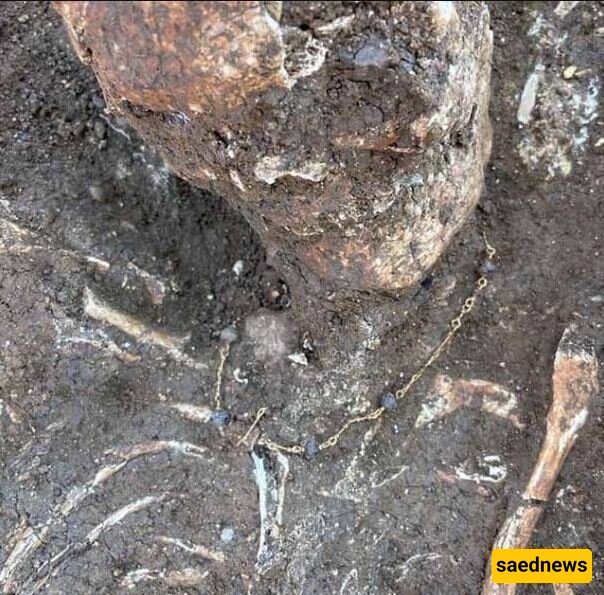
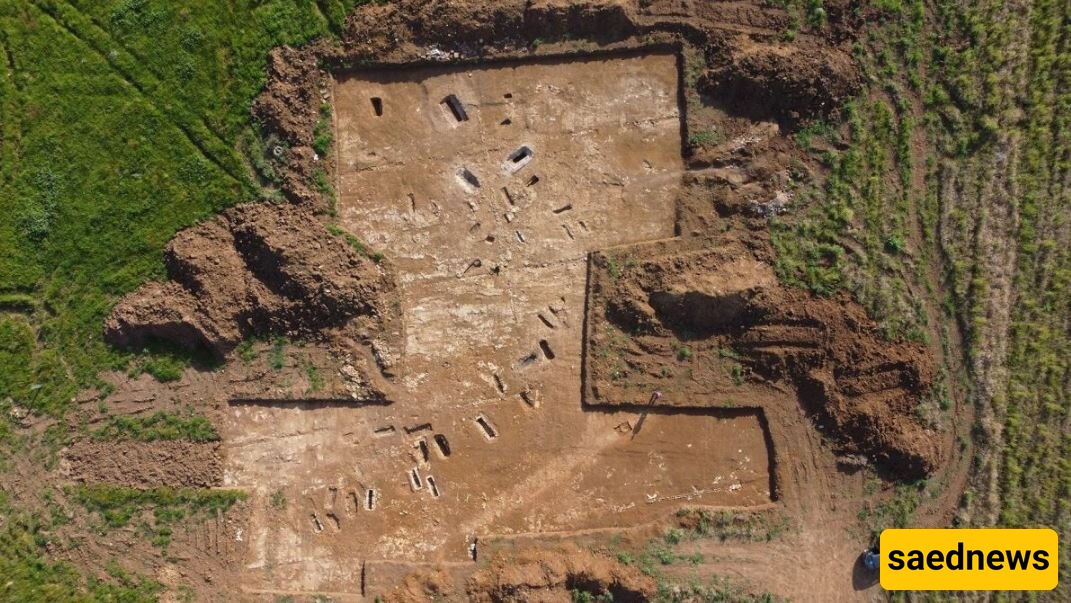
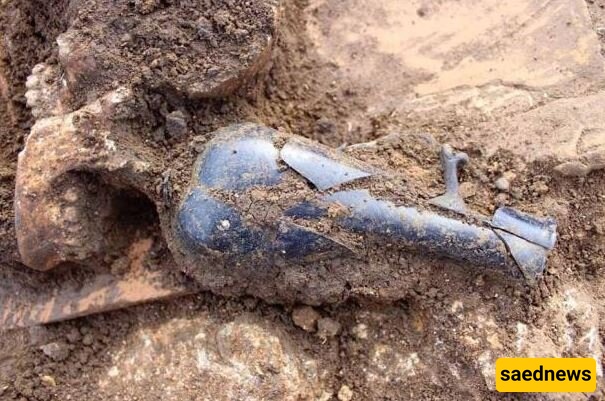
The skeletal remains were found very close to the surface, buried only about 50 centimeters deep. Many graves were family tombs, containing at least two members of the same family, while several skeletons were discovered in groups, bound together.
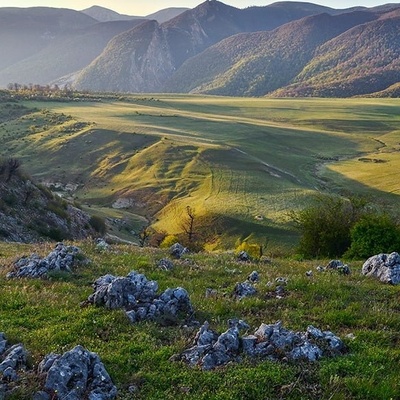
Giannini notes: “The unique state of preservation is due to limestone blocks jutting from the ground, which made plowing, planting, and modern agriculture difficult in the area. As a result, the cemetery remained untouched for centuries.”
Authorities are confident that more surprises await in this site. Previously slated for a solar panel power plant, the area has now been removed from the project, and public access is no longer permitted.