SAEDNEWS: A major political stir is underway as the final war-ending proposal reaches Tehran, but Iran has not yet responded. A source says Tehran views it with deep skepticism, fearing renewed bad faith, while Washington seeks to avoid war and Iran demands real guarantees.
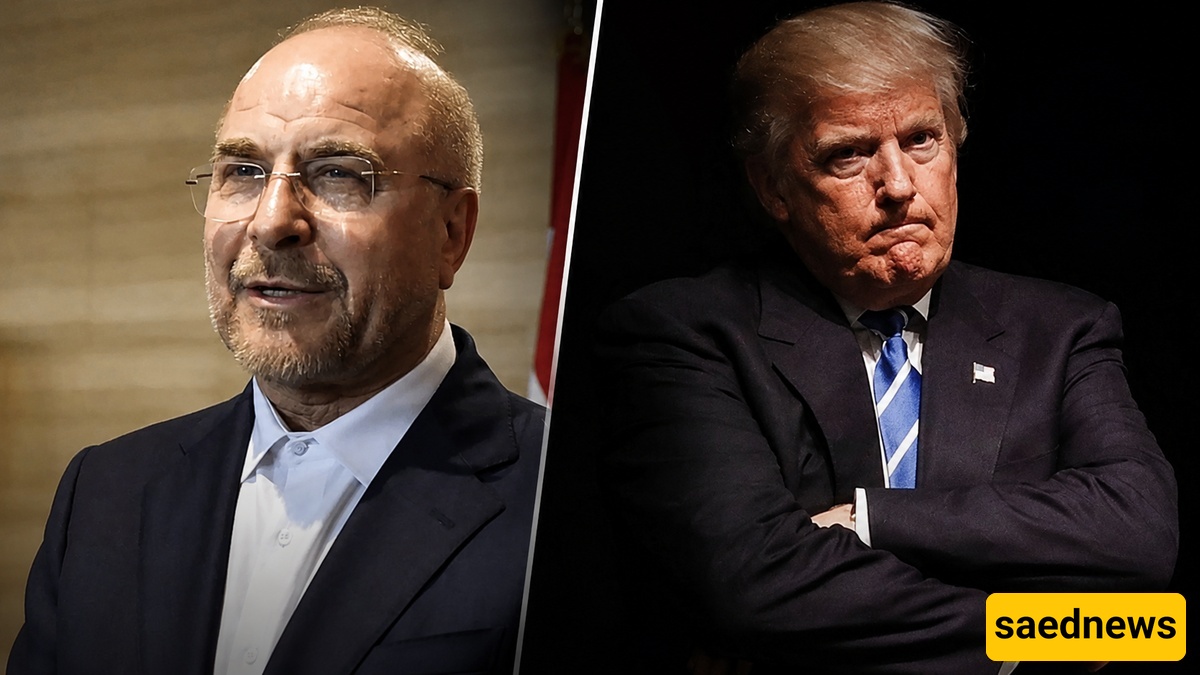
According to Saednews report by the political service of Saed News Agency, citing Mehr News Agency, a knowledgeable source close to the negotiation team stated that the final text of a potential agreement between Iran and the United States to end the conflict is still being circulated in Tehran and is under careful review and discussion by officials.
According to this report, Iran has not yet sent any official response to the other side. The reason for this delay and prolonged review is rooted in bitter past experiences; previous unfavorable behavior and breaches of commitments by the United States have led Tehran this time to examine the details of the document with great caution and strictness, ensuring that no further steps are taken unless real and tangible benefits for the country are guaranteed.
The informed official further made an unusual remark, noting that concerns have now been reversed. The Americans, due to the heavy and ineffective costs they have incurred in the war, are afraid of continuing it, whereas Iran is concerned about the agreement itself, as it does not want to be deceived again. Therefore, Iran’s main red line and condition in these talks is the right to revert and return to the previous situation in case of the other side’s breach of commitments. Tehran emphasizes that everything must be implemented on the ground in a practical and fully transparent manner, leaving no room for excuses.
According to the exclusive analysis of Saed News Agency, Tehran’s current silence and delay in sending a response indicate a smart strategy and a major shift in Iran’s behavior. Tehran no longer accepts paper promises and is well aware that rushing into such agreements could lead to irreparable damage. The statement that “America fears war and we fear agreement” suggests that the situation has shifted; Washington is stuck in a costly quagmire and is now eager to exit it, while Iran, with greater confidence, holds the upper hand in negotiations.
In conclusion, this strict approach sends a clear message to the other side: the era of empty and one-sided agreements is over. The result of Iran’s insistence on real and practical guarantees will either be a strong and lasting agreement that directly benefits the people, or it will force the United States to offer greater concessions. The importance of this issue lies in the fact that Tehran aims to design the process in a way that, if the other side withdraws, Iran will have a completely open and hassle-free path to return to the previous situation.