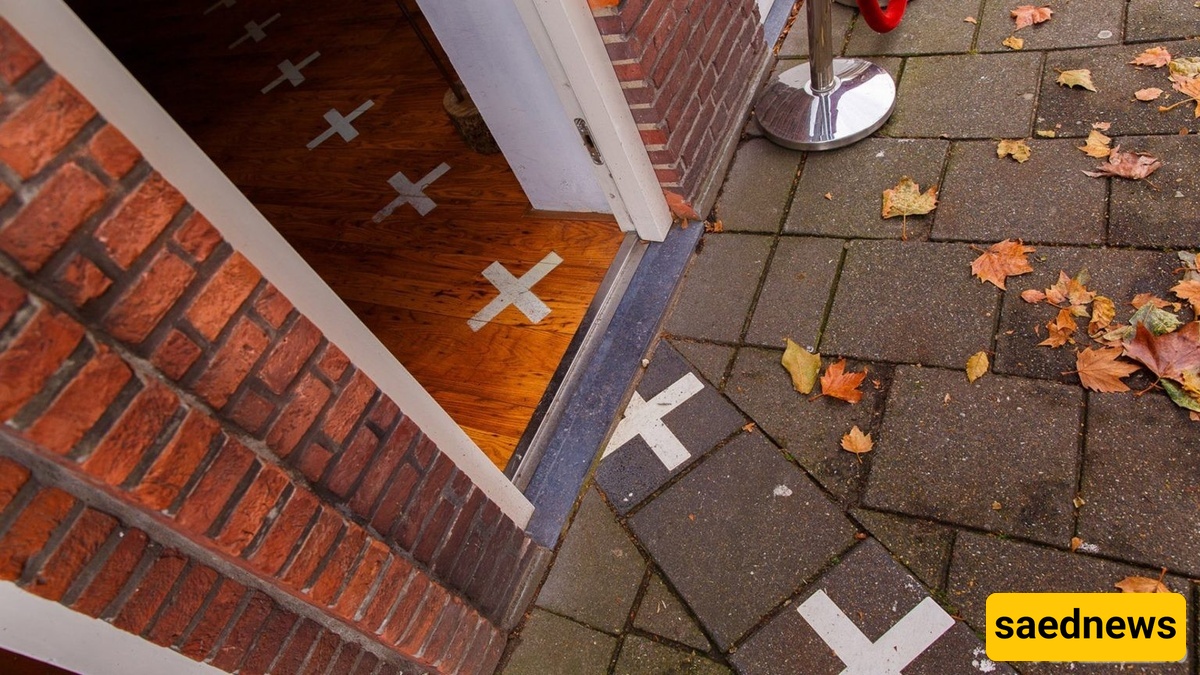
SAEDNEWS: Baarle-Hertog is a Belgian enclave located within the Netherlands, where smaller Dutch areas known as Baarle-Nassau are interwoven throughout it. The town is divided into 24 separate small sections, and in some cases, residents’ front doors are located directly on the border between the two countries.
According to Saed News, citing Roziatto, in most parts of the world, waking up, taking a shower, and heading out for work or shopping is a normal morning routine. But for the residents of this town, it involves crossing several geopolitical borders.
The land of this town is filled with confusing lines. In some cases, the borders pass right through the middle of houses, meaning residents can cook a meal in one country and eat it in another.
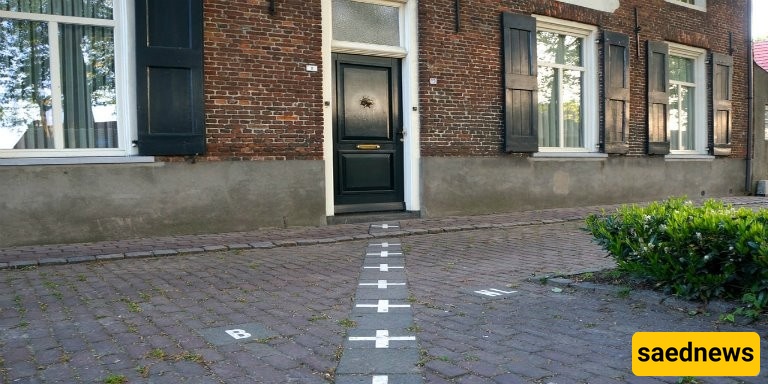
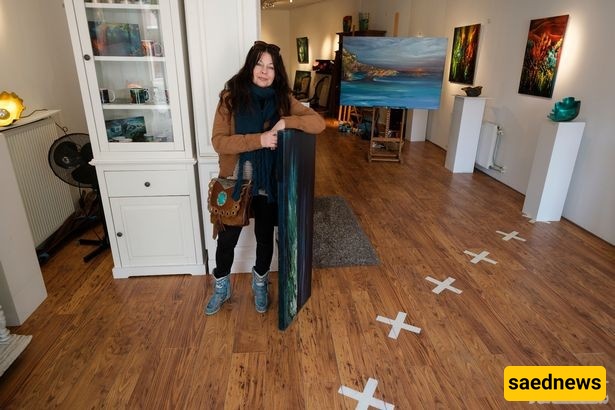
This town has a “front door policy,” meaning the country you belong to is determined by the location of your home’s front door. However, some houses are split directly by the border at their entrance, which makes things even more confusing.
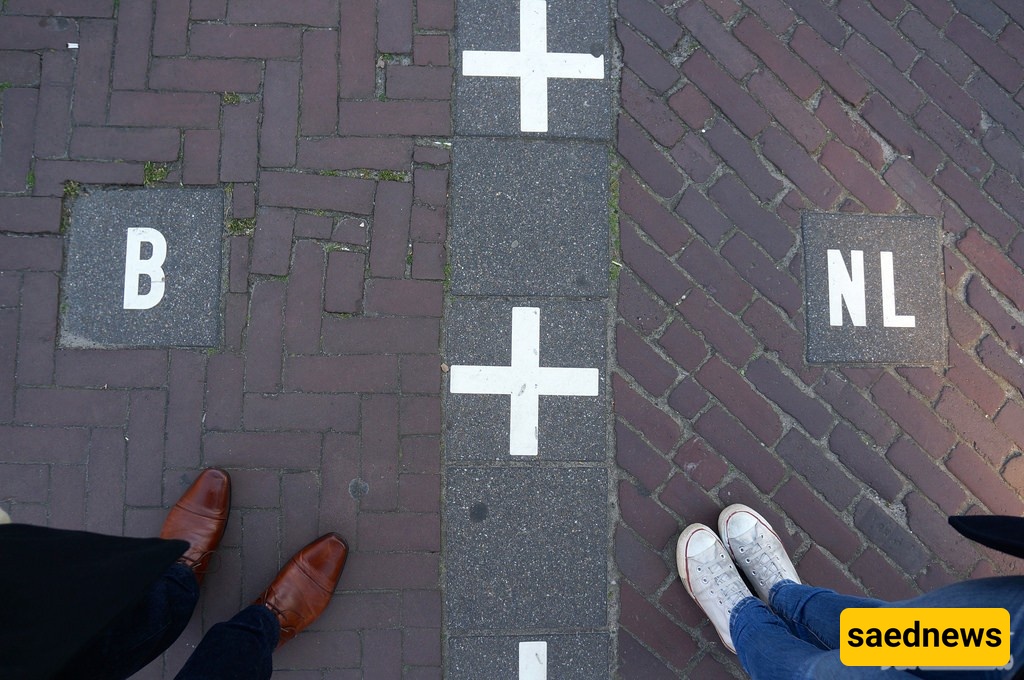
Baarle-Hertog and Baarle-Nassau each have their own government, council, mayor, and schools. The language you speak can also depend on where you are standing; although most residents have learned to speak both Finnish and Dutch.
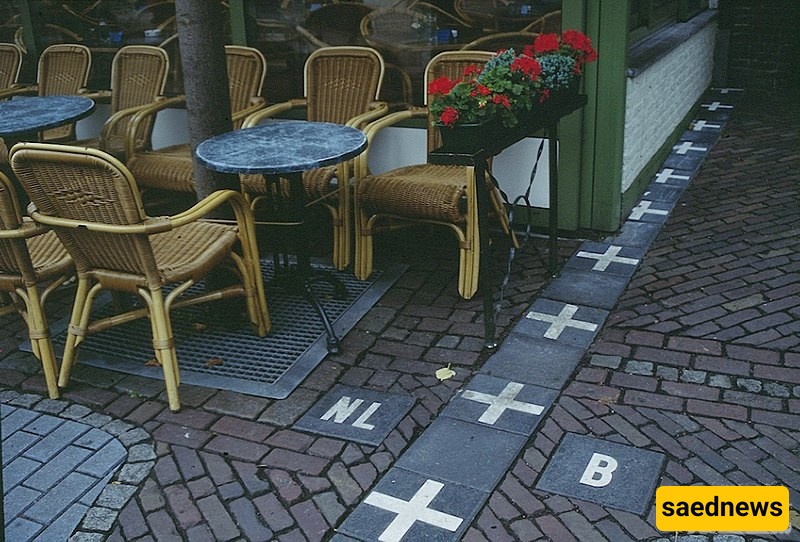
Beyond the different laws of Belgium and the Netherlands that already create confusion, imagine how complicated life became during the COVID-19 pandemic, when restrictions were imposed differently in each country. Each government had its own rules regarding social distancing, mask usage, and whether shops and restaurants were open or closed, leading to division and complexity for the town’s residents.
The history of Baarle-Hertog and Baarle-Nassau dates back to 1198, when the region was divided by Henry I, Duke of Brabant, who assigned parts of the area to the ruler of the town of Schoten.
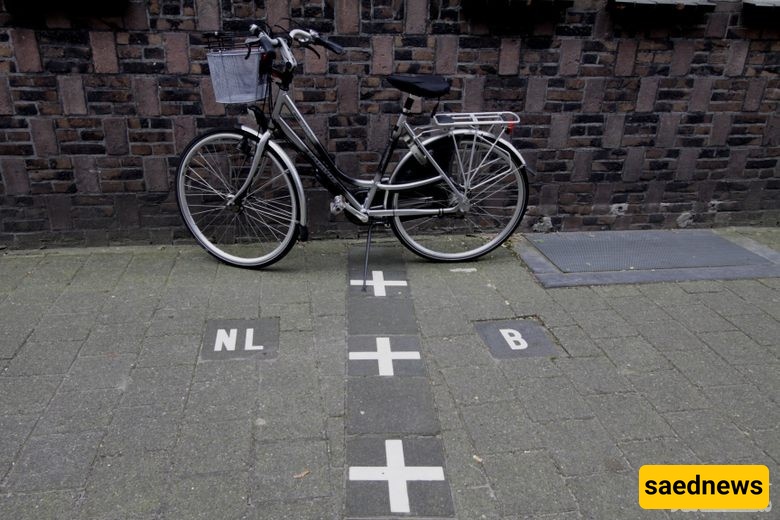
About 632 years later, Belgium became independent from the Netherlands, and discussions about where the border should run through the town continued for decades. The final decision regarding these territories was made in 1995, meaning the town in its current form is less than 30 years old.
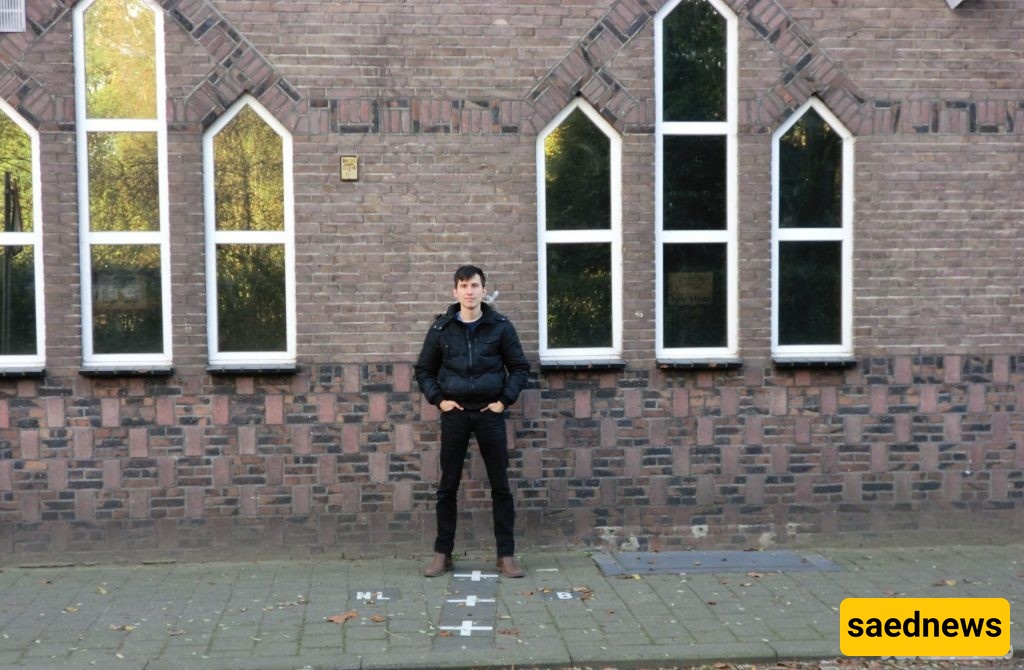
Today, despite its small size, the town attracts many tourists, many of whom are fascinated by the idea of literally stepping from one country into another with a single step.