SAEDNEWS: Cooking lasagna in a home oven is not limited to choosing the right ingredients; proper adjustment of temperature and cooking time, as well as correct use of the oven’s functions, play a central role. This article reviews the key points for preparing a well-baked, professional-quality lasagna using a home oven.
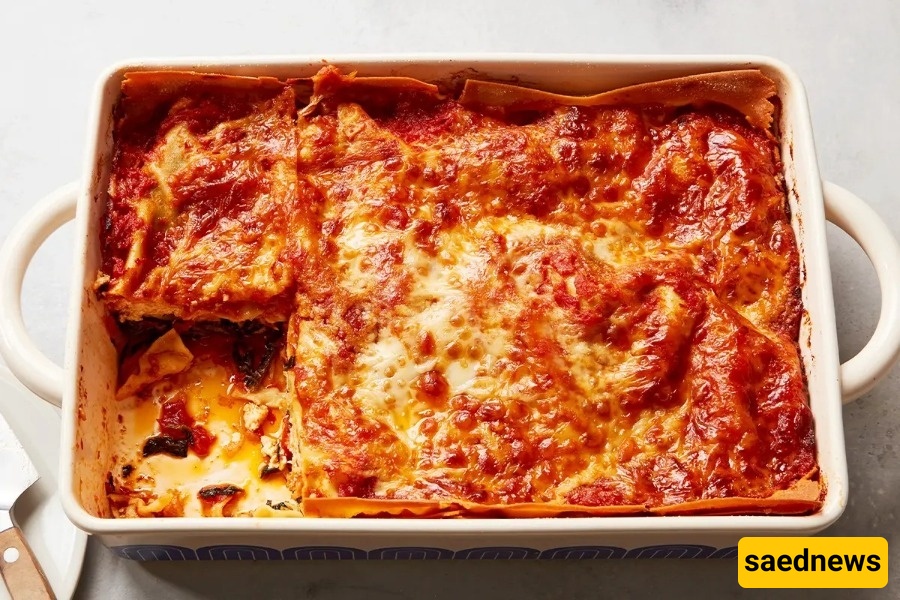
Lasagna, one of the most popular Italian dishes, is often prepared in many households as a special meal for family gatherings or dinner parties. While the quality of the ingredients is important, the key to a successful result lies in correctly controlling the oven temperature and baking time.
Below are the most important tips for baking a professional-quality lasagna at home, along with a brief look at how modern ovens can support better results.
The first step is selecting a dish with the right material and size. Glass and ceramic dishes distribute heat more evenly and help retain moisture, resulting in a softer and more consistent texture. Metal pans heat up faster and can sometimes cause the top layers to dry out too much.
The dish should also be deep enough to hold several layers without overflowing or leaving too much empty space.
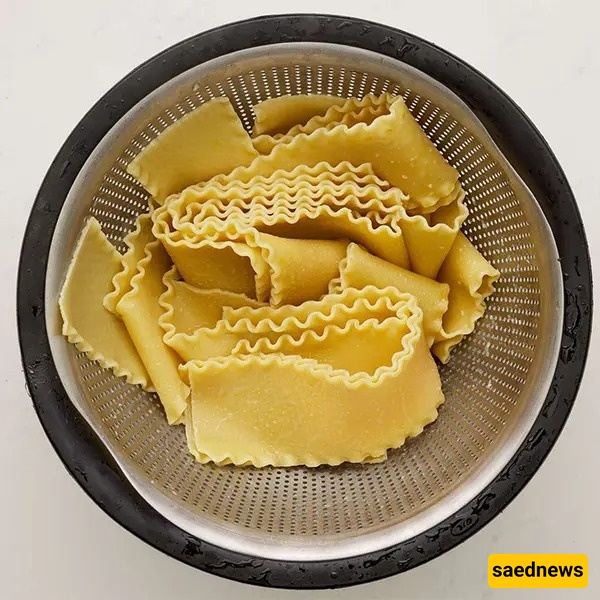
Preheating the oven before placing the lasagna inside is essential for even cooking. If this step is skipped, the middle and bottom layers may remain undercooked or gummy.
The recommended preheating temperature is usually between 180°C and 200°C, depending on the oven type and the thickness of the lasagna.
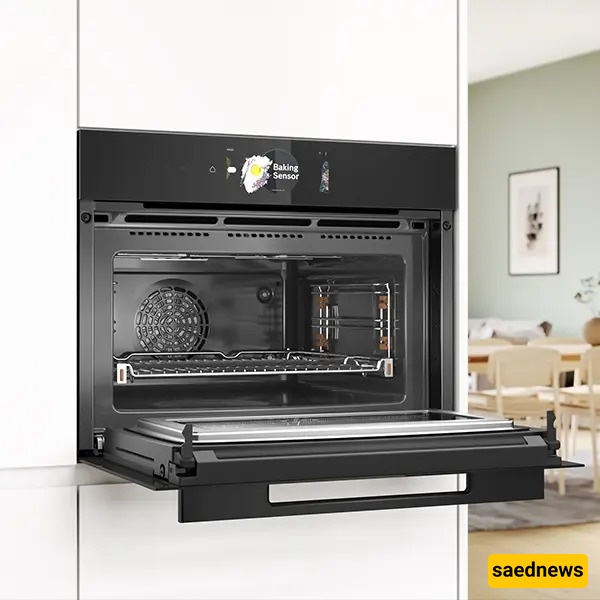
Lasagna requires careful temperature and time control. Excessive heat can burn the top while leaving the inside undercooked.
Ideal baking temperature: 180–190°C
Baking time: 45–60 minutes, depending on thickness, ingredients, and oven performance
Ovens with even heat distribution help prevent uneven cooking by circulating hot air throughout the chamber.
To prevent the top from burning, it is recommended to cover the dish with aluminum foil for the first 30 minutes. This allows the heat to penetrate gradually into the center.
In the final 10–15 minutes, the foil can be removed so the cheese on top becomes golden and lightly crisp.
A golden, lightly browned cheese layer is one of the visual signs of a well-made lasagna. A combination of mozzarella and Parmesan works especially well.
Placing the dish closer to the top heating element for a few minutes at the end of baking can enhance browning without overcooking the rest of the dish.
Once the baking time is complete, the lasagna should not be served immediately. Allowing it to rest for 10–15 minutes helps the layers set, making it easier to slice neatly and improving the overall texture.
Moisture balance plays a major role in lasagna quality. Too much moisture makes it soggy, while too little causes dryness.
Using a béchamel sauce with the right thickness and maintaining a proper ratio between tomato sauce and meat helps achieve the ideal consistency.

Many modern ovens include preset programs specifically for dishes like lasagna, automatically adjusting heat and time for optimal results. Digital timers and audible alerts also help prevent overcooking or forgetting the dish in the oven.
After cooking, cleaning the oven is important because leftover grease and food particles can affect future baking performance. Some ovens offer self-cleaning features that make this task easier.
Baking lasagna at home requires attention to several key steps: choosing the right dish, preheating the oven, setting accurate temperature and time, using proper cheese, resting the dish after baking, and managing moisture. With careful technique and reliable equipment, it is possible to achieve a consistently professional result in a home kitchen.