SAEDNEWS: Achaemenid Silver Rhyton Featuring a Horned Lion Figurine: A Front-Mounted Spout and an Extended Forepar
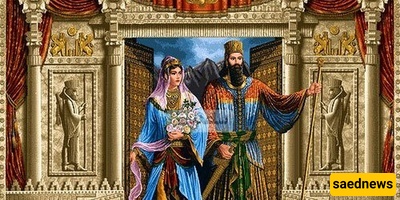
According to the History and Culture Service of Saed News, the object in the image is an Iranian drinking vessel (rhyton).
Description: This opulent work of art is crafted from silver and gold, featuring the head of a horned mythical creature resembling a griffin.
Function and Significance: In the royal court of Iran, luxury objects like this rhyton were commonly used as symbols of prestige, political power, and social status. Later, Greek artisans adopted and adapted elements of this Iranian style in their own works.
Historical Period
Era: Achaemenid
Date: Circa 5th century BCE (500–400 BCE)
Style: A fusion of Iranian artistry with Greek influences, employing lost-wax casting and gilding techniques.
Dimensions and Weight
Dimensions: Approximately 21.7 cm wide × 30.48 cm high
Weight: Exact weight not specified in public sources, but given its size and materials (silver and gold), it likely weighs between 1 and 2 kg.
Material and Technique
Material: Gilt silver
Techniques: Hammering, lost-wax casting, gilding, repoussé, engraving, and assembly of sculptural elements
Artistic and Symbolic Features
Form: Horn-shaped rhyton topped with a composite creature – lion’s body, wings, and a griffin-like head with spiraled horns
Symbols: The lion represents kingship and power in Near Eastern art; the ram symbolizes fertility and sacrifice; wings reference protective mythological beings.
Provenance
Found in: Erzincan region, in present-day eastern Turkey
Context: This region was under Achaemenid influence, and numerous artifacts from the era have been discovered here.
Current Location
Museum: British Museum
Reference Number: 1897,1231.178
Collection: Middle East