SAEDNEWS: Along with essential pregnancy foods, certain items should be avoided, including some proteins and seafood, specific fruits and vegetables, processed foods, certain beverages, and some spices. Ignoring these precautions may increase the risk of illness, premature birth, or miscarriage.
According to the Saad News Family Magazine service, a mother’s diet can influence a child’s health throughout life. A healthy, balanced lifestyle and diet are essential during pregnancy, and alongside beneficial foods, certain items should be avoided.
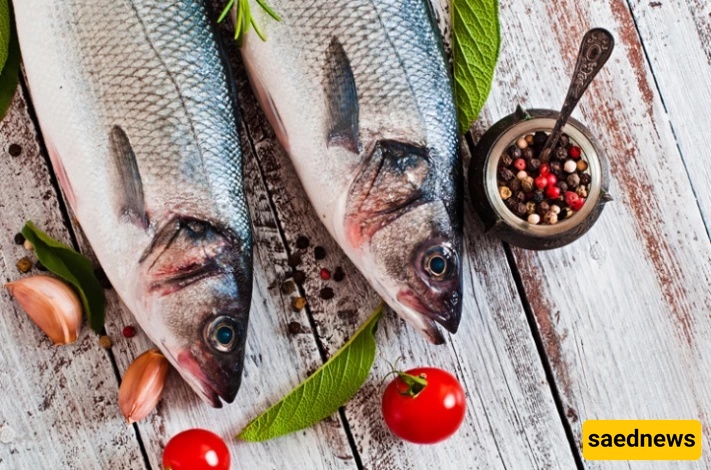
Although fish are rich in protein and omega-3 fatty acids that support brain and eye development, some types should be avoided during pregnancy due to contamination or high mercury levels.
Pregnant women should avoid:
Raw shrimp
Raw oysters
Sushi
Crab
Clams
Smoked seafood
Canned fish (in some cases)
Raw or undercooked seafood may carry bacteria and parasites such as Vibrio, Norovirus, Listeria, and Salmonella, which can cause severe infections and dehydration, posing risks to the fetus.
Locally caught fish from rivers and lakes may contain environmental toxins (PCBs) that can lead to low birth weight.
Fish such as tuna and marlin contain high levels of mercury, which can damage the fetal nervous system, impair brain development, and increase miscarriage risk.
Safer low-mercury options include salmon, sardines, and trout.
These may contain Listeria, which can cause miscarriage, premature birth, stillbirth, and severe neonatal infections.
Raw or undercooked meat increases the risk of:
Salmonella
Listeria
Toxoplasma
E. coli
These infections may lead to miscarriage, birth defects, or serious neurological conditions in the baby.
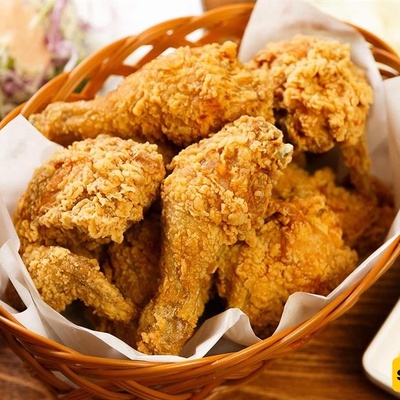
Processed meats such as sausages, hot dogs, and deli meats may also pose risks if not properly handled.
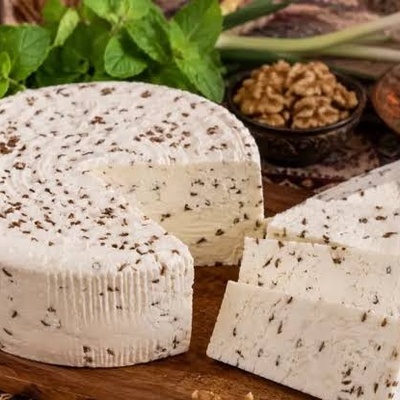
Unpasteurized milk and cheese may contain Listeria, which is dangerous for both mother and fetus.
Raw or undercooked eggs may contain Salmonella, leading to symptoms such as nausea, fever, abdominal cramps, and diarrhea. Severe cases may trigger uterine contractions and premature birth.
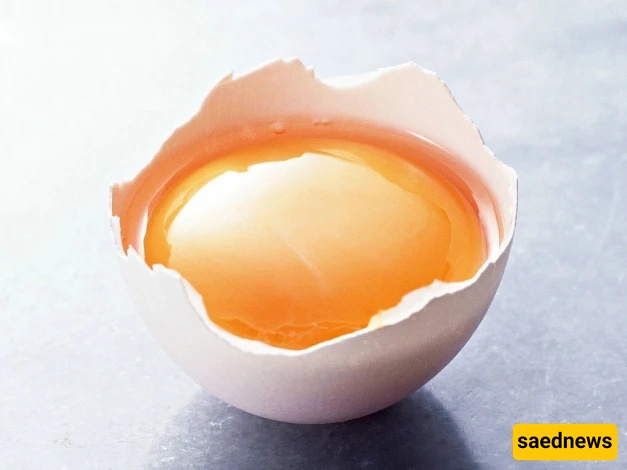
Foods that may contain raw eggs include:
Homemade mayonnaise
Some sauces (Caesar, Hollandaise)
Homemade ice cream and baked mixtures
Animal liver contains high levels of vitamin A and toxins. Excess intake during pregnancy can harm fetal development and is generally not recommended.
Contains bromelain, which may soften the cervix and stimulate uterine contractions, especially in early pregnancy.
May stimulate uterine contractions and increase miscarriage risk.
Excess consumption may increase bleeding risk.
Especially unripe papaya may trigger uterine contractions and bleeding.
Centella
Aloe vera
Celery
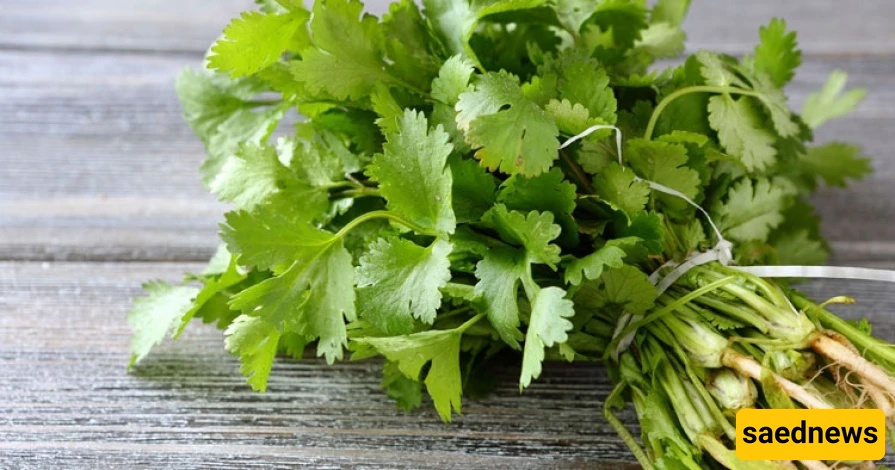
Coriander (in excess)
Barberry and sour grapes (excessive use)
Sprouted or unwashed vegetables (risk of bacterial contamination)
May contain preservatives and high sodium levels, increasing blood pressure risk.
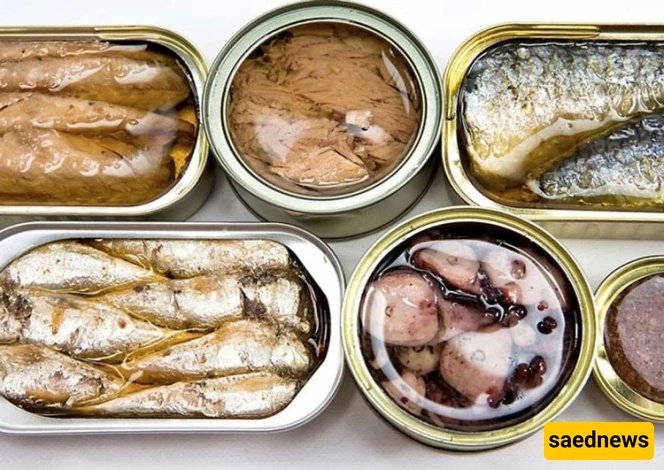
Increase risk of bacterial infections and complications such as premature birth and miscarriage.
High caffeine intake (coffee, tea, energy drinks, chocolate, some medications)
Alcohol (strictly prohibited)
Unpasteurized milk
Some industrial fruit juices (risk of contamination)
Excess caffeine may increase miscarriage risk and interfere with iron absorption, leading to anemia.
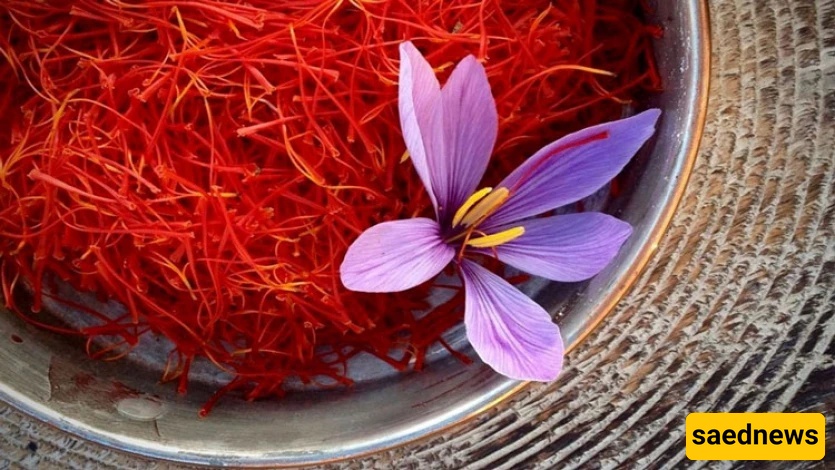
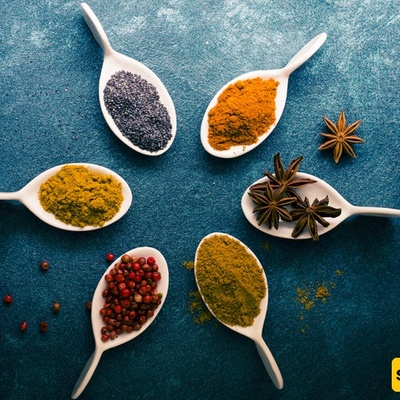
Saffron (especially in early pregnancy)
Thyme
Mint
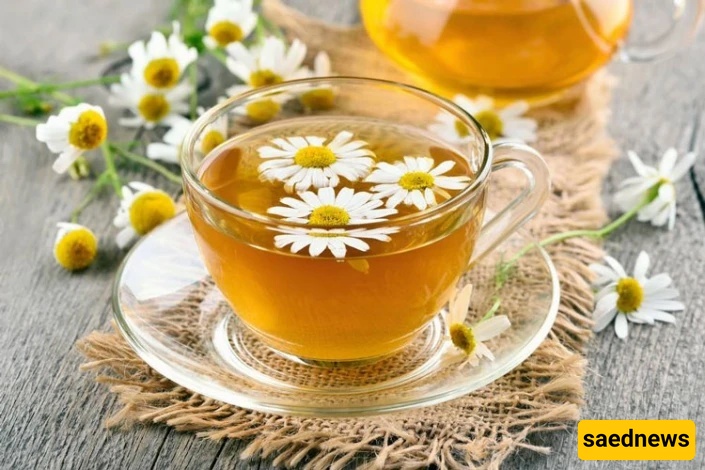
Chamomile
Fenugreek
Excess cumin or sesame mixtures
Barley (due to uterine stimulation effects in some reports)
These may stimulate uterine contractions or affect hormonal balance.
Maternal risks:
Listeria or toxoplasmosis infections
High blood pressure
Premature labor
Miscarriage
Blood sugar issues
Fetal risks:
Low birth weight
Brain and vision damage
Neurological disorders
Stillbirth
Developmental delays
Fully cooked meat instead of raw or undercooked meat
Low-mercury fish (salmon, trout, sardines)
Fresh fruits: apples, oranges, pomegranates, grapes, mangoes, avocados
Clean, disinfected vegetables and salads
Pasteurized milk and dairy products
Water, herbal teas, and natural juices instead of caffeine or alcohol
What causes uterine contractions during pregnancy?
Spices like saffron, cinnamon, thyme, and spicy foods may stimulate uterine contractions, especially in early pregnancy.
Which vegetables are unsafe?
Unwashed vegetables and some herbs (parsley, mint, basil, dill) may increase risks of infection or uterine stimulation if consumed excessively.
Can seafood be eaten during pregnancy?
Yes, but only fully cooked, low-mercury seafood in moderation.
Is pineapple safe during pregnancy?
Small amounts are generally safe, but excessive intake may increase uterine stimulation risk.