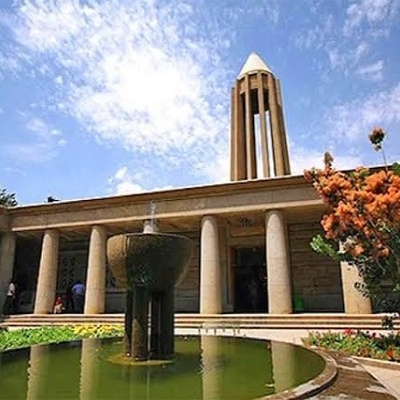
SAEDNEWS: Traveling to southern Iran will offer you a unique experience in your Iran travel journey. Distinct and exceptional natural attractions, beautiful historical sites, and captivating cultural places, along with hospitable and welcoming people, will make your journey from the very beginning…
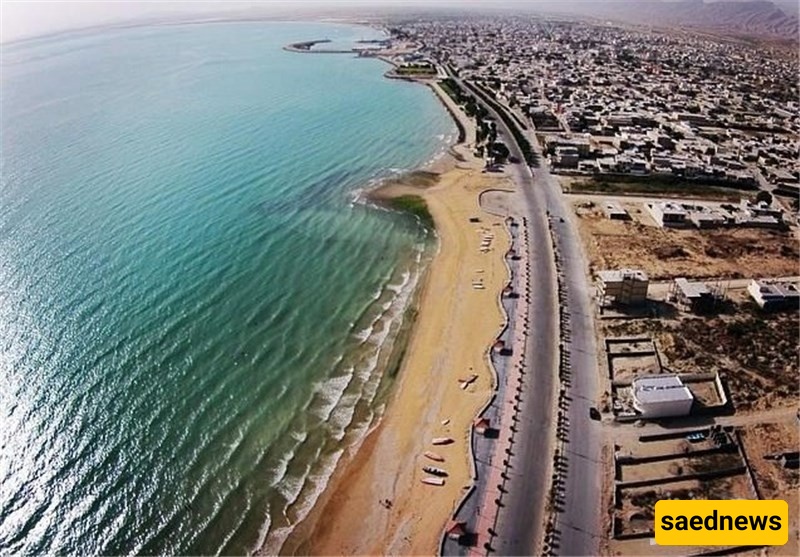
According to Saednews report from Saed News, Bushehr Province, due to its strategic location for establishing naval bases and ports, was used by the kings of Elam. During the Achaemenid period, the land of Bushehr was part of the Persian satrapy. The Persian Gulf—and consequently Bushehr Province—has always attracted attention throughout history because of its strategic, economic, and commercial importance, serving as a hub for the exchange of knowledge, wealth, and the expansion of political power.
The Raees Ali Delvari Museum is located in the town of Delvar, part of Tangestan County. The museum building was originally the home and residence of Raees Ali Delvari and is situated 45 km from the city of Bushehr.
Nosouri Castle is located in Bandar Taheri, in the central district of Kangan County, and is one of the historical monuments and tourist attractions of Bushehr Province in southern Iran.
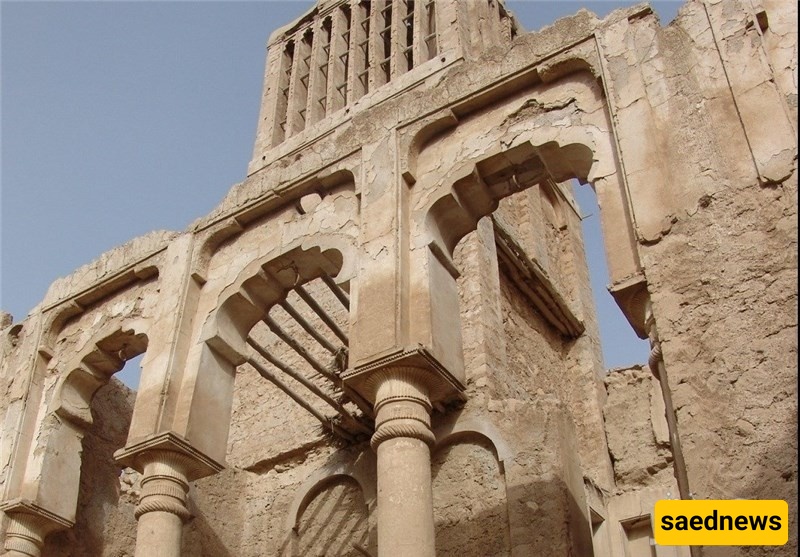
This castle, also known as “Sheikh Castle,” is located about 250 km east of Bushehr Province and dates back to the early Qajar era. It was built around 180 years ago by Sheikh Jabar Nosouri, with Ali Asghar Shirazi as the architect. The structure is made of large stones with clay and plaster mortar. The main entrance faces the Persian Gulf and features a large wooden door with decorative nailwork and carvings. Inside, there is a vestibule with eight simple niches. Staircases connect different floors, leading to rooms with stone columns and decorative plasterwork featuring floral and bird motifs. The architecture reflects typical Qajar coastal design, including windcatchers used for natural ventilation.
Siniz (or Shiniz) was an ancient port located in the current Imam Hassan area of Deylam County. It once lay between the ports of Mahrouban and Genaveh and was internationally known for its textile industry. Historical texts frequently mention its prosperity.
The Koh-e Siyah Protected Area is a mountainous region in Dashtestan County. It serves as a seasonal settlement for Qashqai nomads. Around 7,000 wild goats, sheep, and rams live in this wildlife refuge. Located 83 km southeast of Borazjan at an elevation of 1,691 meters, limited regulated hunting is permitted under environmental supervision.
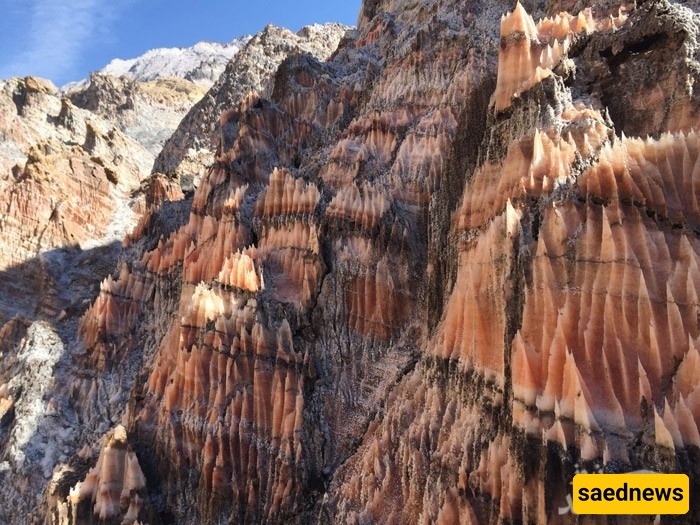
The Jashak Salt Dome, also known as Dashti Salt Mountain, is one of the largest, most active, and most beautiful salt domes in Iran and the Middle East. Located between Deyr and Dashti counties in Bushehr Province, it was registered as a national natural monument in 2007. It features unique salt formations, caves, waterfalls, and crystal structures.
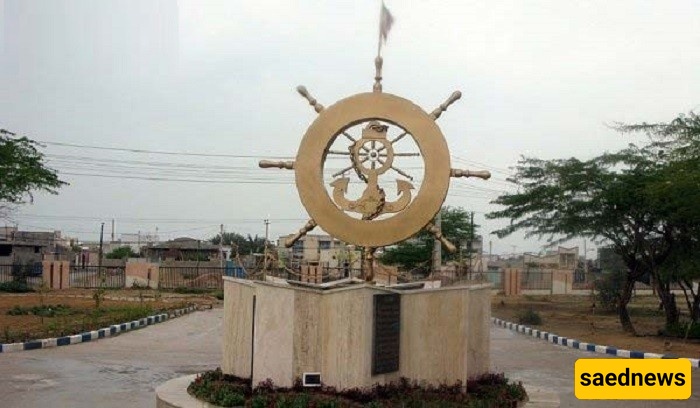
The Persian Gulf Maritime Museum is located in the Sabzabad neighborhood of Bushehr city. The building, originally a British consulate and later a naval headquarters, was established in 1858.
After World War II, it was handed over to Iran in 1946 and later used by the Iranian Navy. The museum complex contains 40 naval vessels from different historical periods, including the Qajar era. Inside the renovated building, there are military, communication, navigation, and medical equipment, along with historical artifacts such as silverware and ceramics.
Rishahr, located south of Bushehr city, is an ancient archaeological site dating back to the 3rd to 1st millennium BCE. Excavations show that it was an important Elamite city known as “Liyan.” It served as a major trade link between ancient civilizations. The site was registered as a national heritage site in 1932.
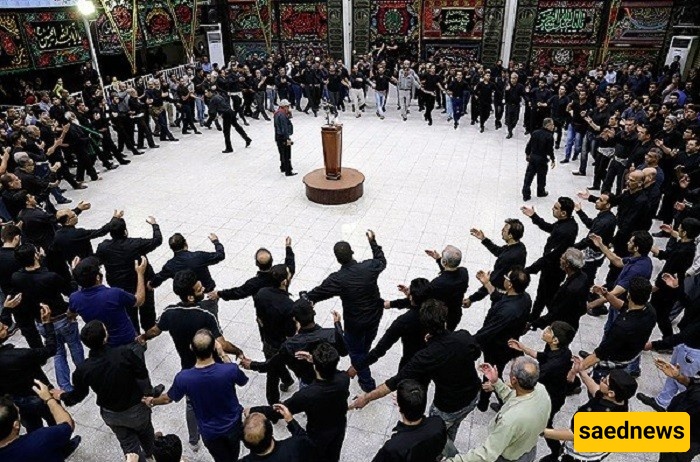
Also known as the Shah Mosque or Kufi Mosque, this mosque was built by Sheikh Saad from Arabia. It is currently used for traditional Ta’zieh religious performances.
This church is located in Bushehr city and is a remarkable example of architectural fusion between Iranian and Christian styles. Its stained glass windows are made with Iranian colored glass.
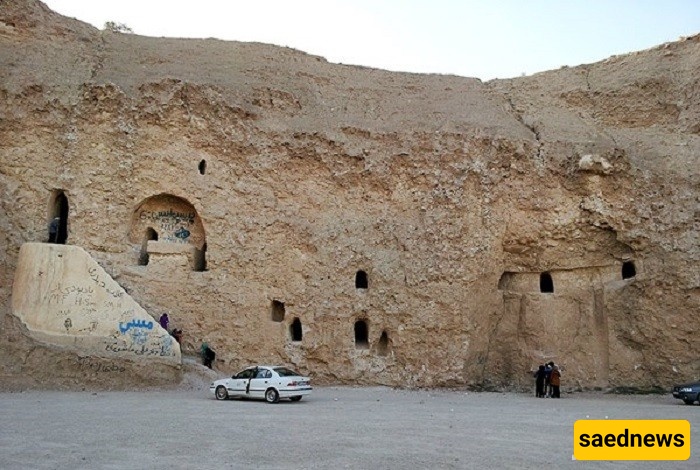
Located northwest of Bandar Taheri, this ancient cemetery contains numerous rock-cut graves dating back to different historical periods. The tombs are carved into cliffs and resemble beehives due to their arrangement along the slopes.
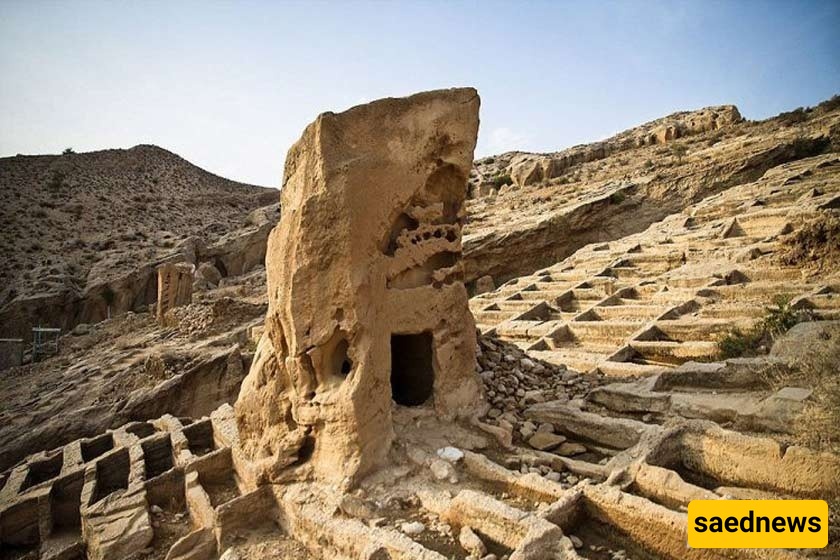
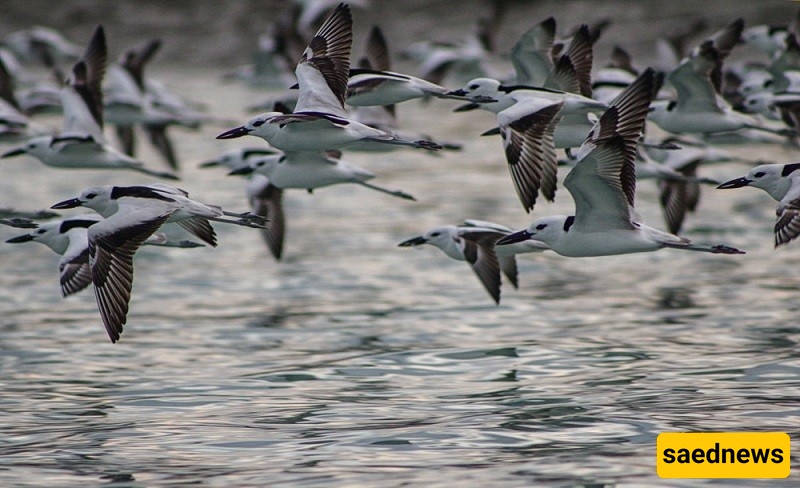
The Helleh Wetland is formed by the confluence of the Dalaki and Shapur rivers. It is surrounded by dense reed beds and provides habitat for thousands of migratory birds such as herons, ducks, flamingos, and terns.
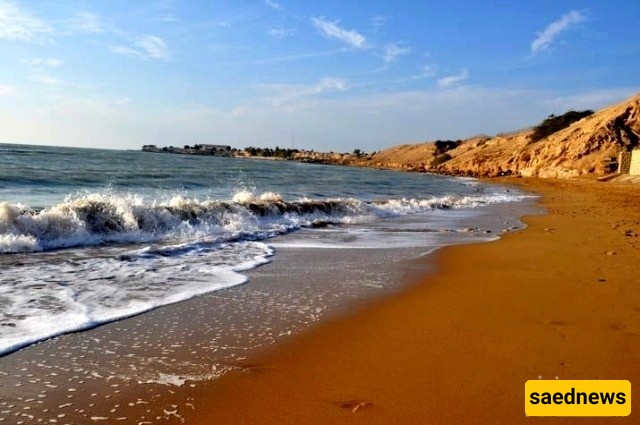
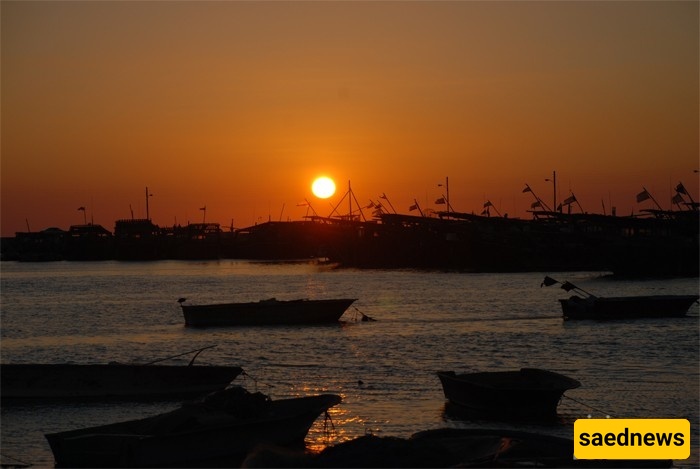
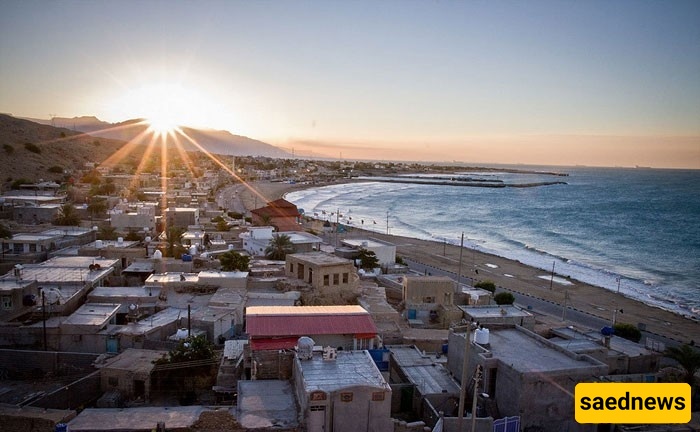
The Bushehr coastline includes both sandy and rocky shores. The rocky areas offer scenic landscapes shaped by erosion, while sandy beaches are ideal for recreation, swimming, boating, and water sports. The province’s proximity to Gulf countries enhances its tourism potential, especially in winter.
Siraf, located near Bandar Taheri, was once a major commercial port dating back to the Sassanid era. Known originally as “Ardeshir Ab,” it later became Siraf. Archaeological remains include fortifications, mosques, residential areas, and ancient harbor structures.
This historical water reservoir, located on Khalij-e Fars Street, is over 150 years old and dates back to the Qajar period.
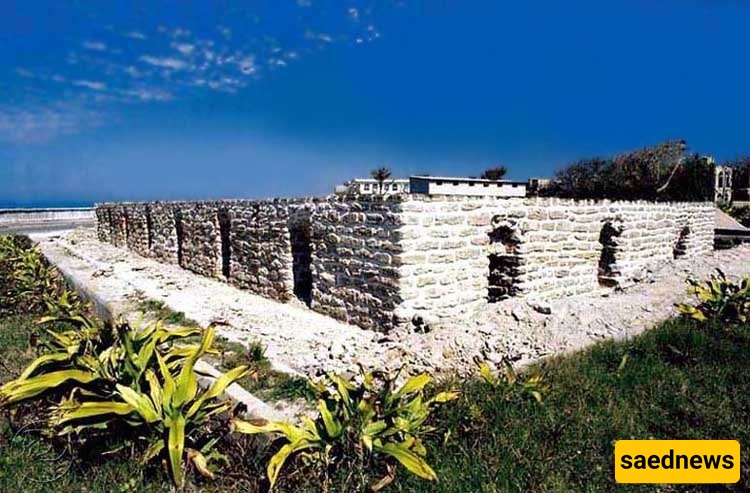
Located near Borazjan, this winter palace of Darius features ten stone columns arranged in two rows and reflects Achaemenid architectural style.
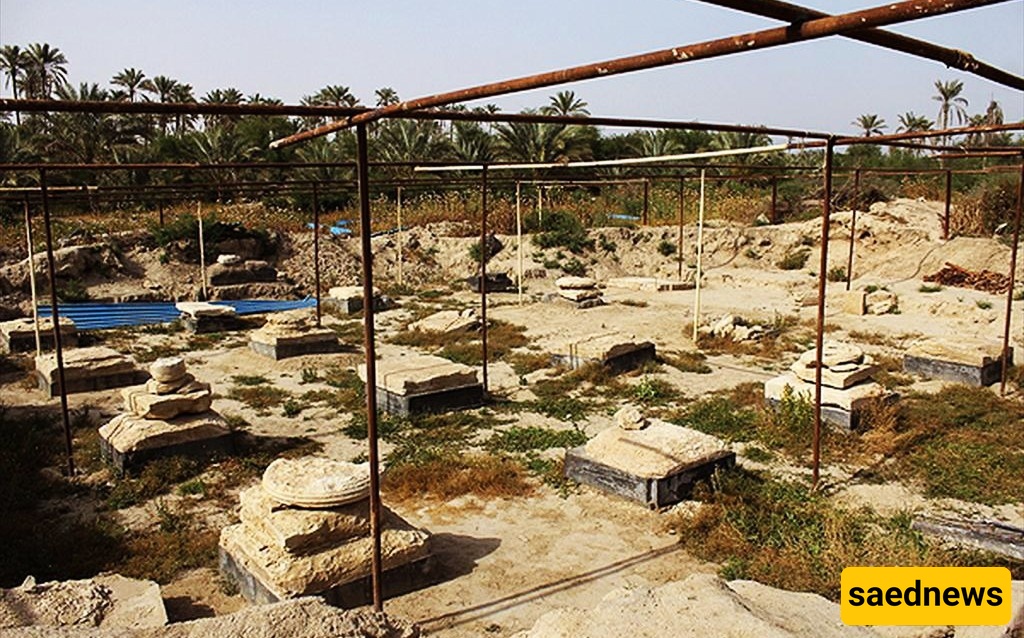
Located near the Ardi River, this site is believed to have been an important Achaemenid settlement on the Persian Gulf coast, possibly linked to Cyrus the Great.
A Zand-era house located in Bushehr city, registered as a national heritage site in 1967.
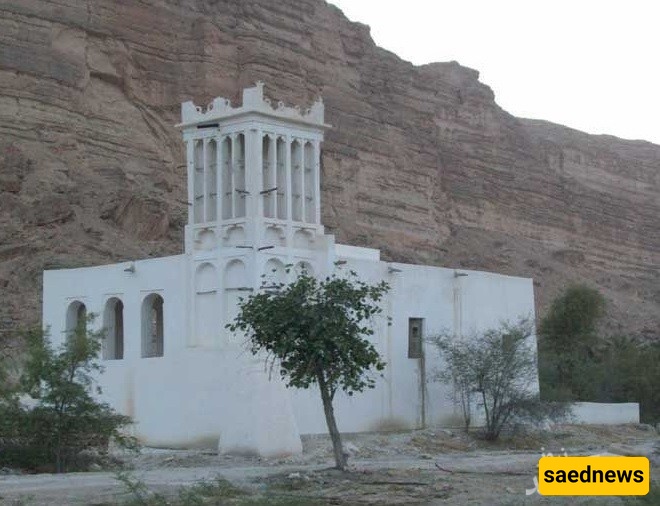
A Qajar-era building once used as a British consulate and later transferred to Iran. It now belongs to the Iranian Navy.
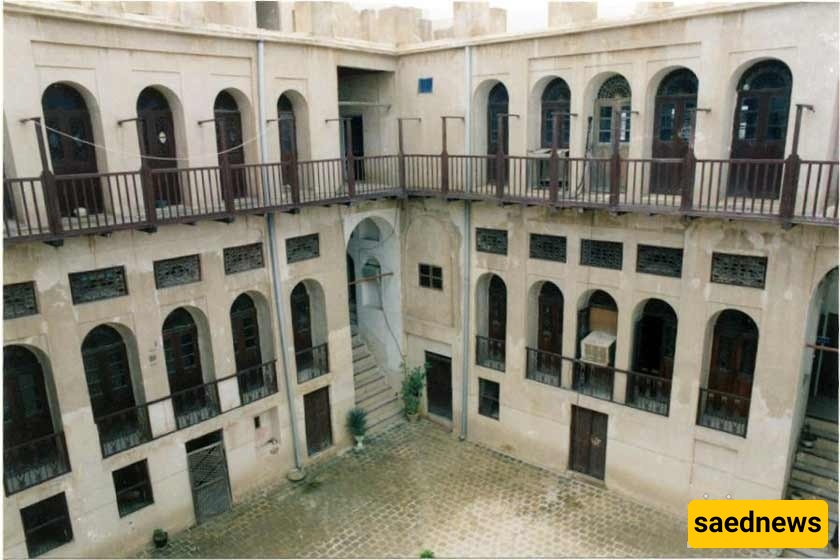
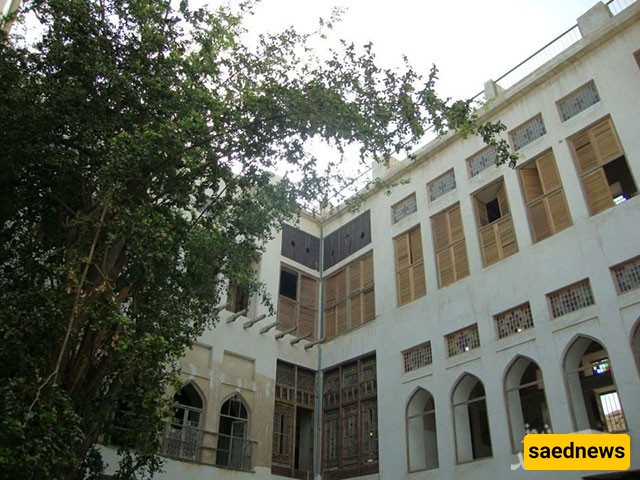
A Qajar-era mansion located near the Bushehr waterfront. Built around 170 years ago, it features three floors, central courtyards, wind-cooling architecture, wooden doors, and decorative elements designed for ventilation and climate adaptation.
These ancient mounds contain archaeological remains from the Parthian and Sassanid periods, including pottery, tools, and metal artifacts, suggesting ancient industrial activity.
This hill is located south of Borazjan. In the northern part of the mound, there is a structure with a strong wall over 20 meters long, built with rubble stone and plaster. It appears that the original structure dates back to the Sassanid period.
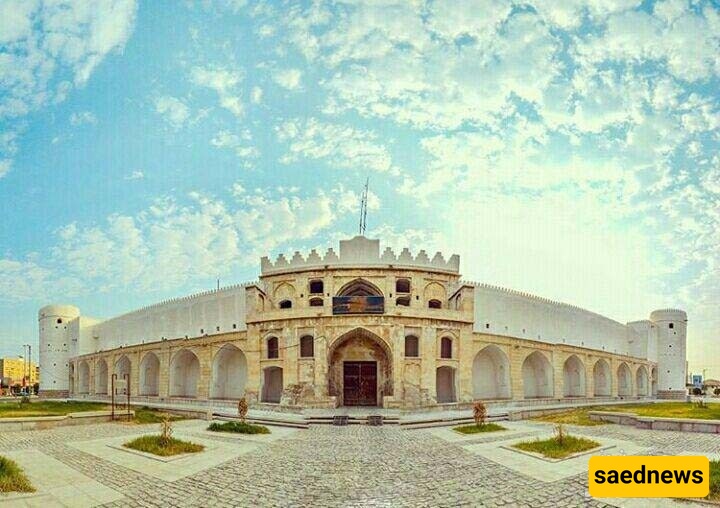
This fortress is located in the center of Borazjan city. For a long time, it was used as a prison. Originally, it was a caravanserai from the Qajar era. It has unique architectural features and is registered as a national heritage site.
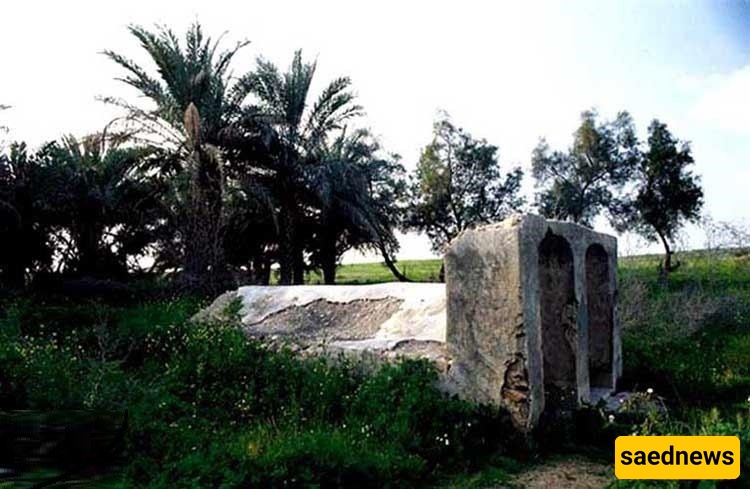
This water reservoir is located 12 kilometers east of Borazjan. It currently has at least two water storage chambers, each about 4 meters in diameter, circular in shape, and excavated into the ground.
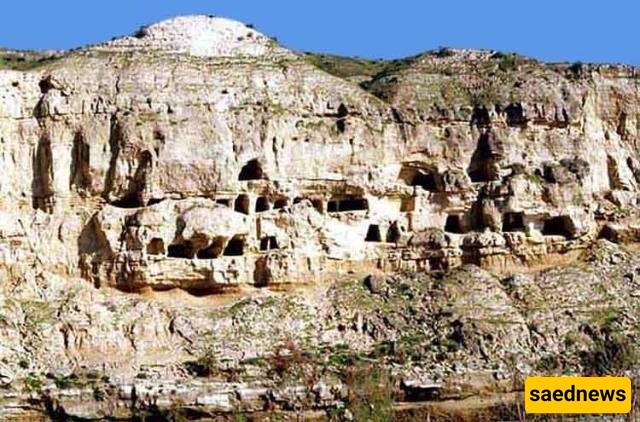
Located near Saadabad, this site contains rock-cut chambers along cliffs. It may have been used as shelters or burial sites during ancient times, possibly from Median or Sassanid periods.
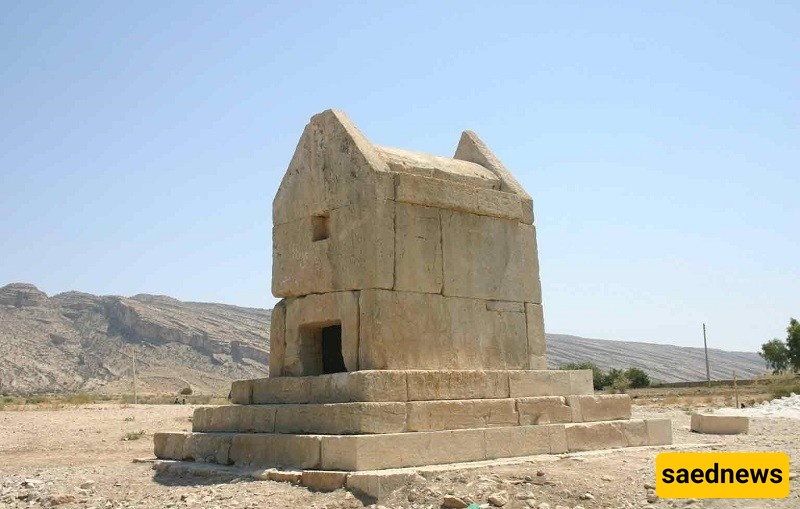
A tomb structure similar to the tomb of Cyrus the Great in Pasargadae, dating back to the 6th century BCE. It is made of 24 stone blocks and reflects Elamite and Urartian architectural influences.
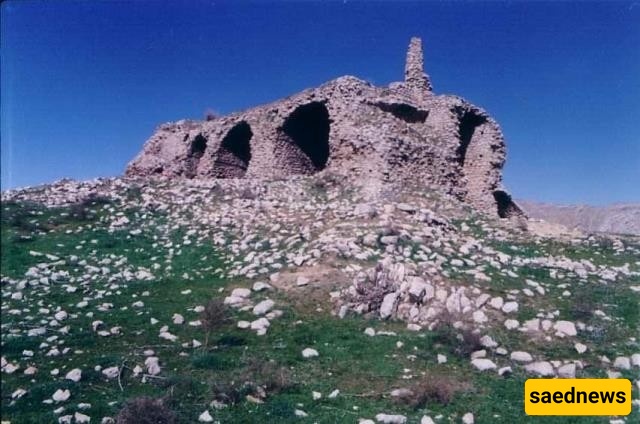
Likely a royal hunting or resting structure from the Sassanid era, featuring a cross-shaped base and stone columns, possibly used for signaling or lighting fires.
An important historical commercial city known for textile production, especially cotton and embroidery. Its ruins are spread across modern villages in Dashtestan.
A rock-cut ancient religious site dating back to the Parthian and Sassanid periods, located near Mount Mand. It includes chambers, terraces, and water management structures, suggesting it was an important religious complex.
A four-story Qajar-era mansion built with coral stone, plaster, teak wood, and European-style interior decorations. It features stained glass windows, carved woodwork, and ventilation systems designed for coastal climate conditions.
Located on Khark Island, this structure was originally attributed to Greeks and later converted into a Zoroastrian fire temple during the Sassanid era. After the arrival of Islam, it was transformed into a mosque.
A Qajar-era historical building originally gifted by the merchant class to Mohammad Baqer Khan Tangestani. It is one of the cultural heritage sites of Bushehr Province.