SAEDNEWS: Benjamin is a beautiful and popular shrub used for interior decoration, and many people buy it to make their homes more attractive. However, to keep this plant fresh and healthy, you need to follow a number of specific care tips.
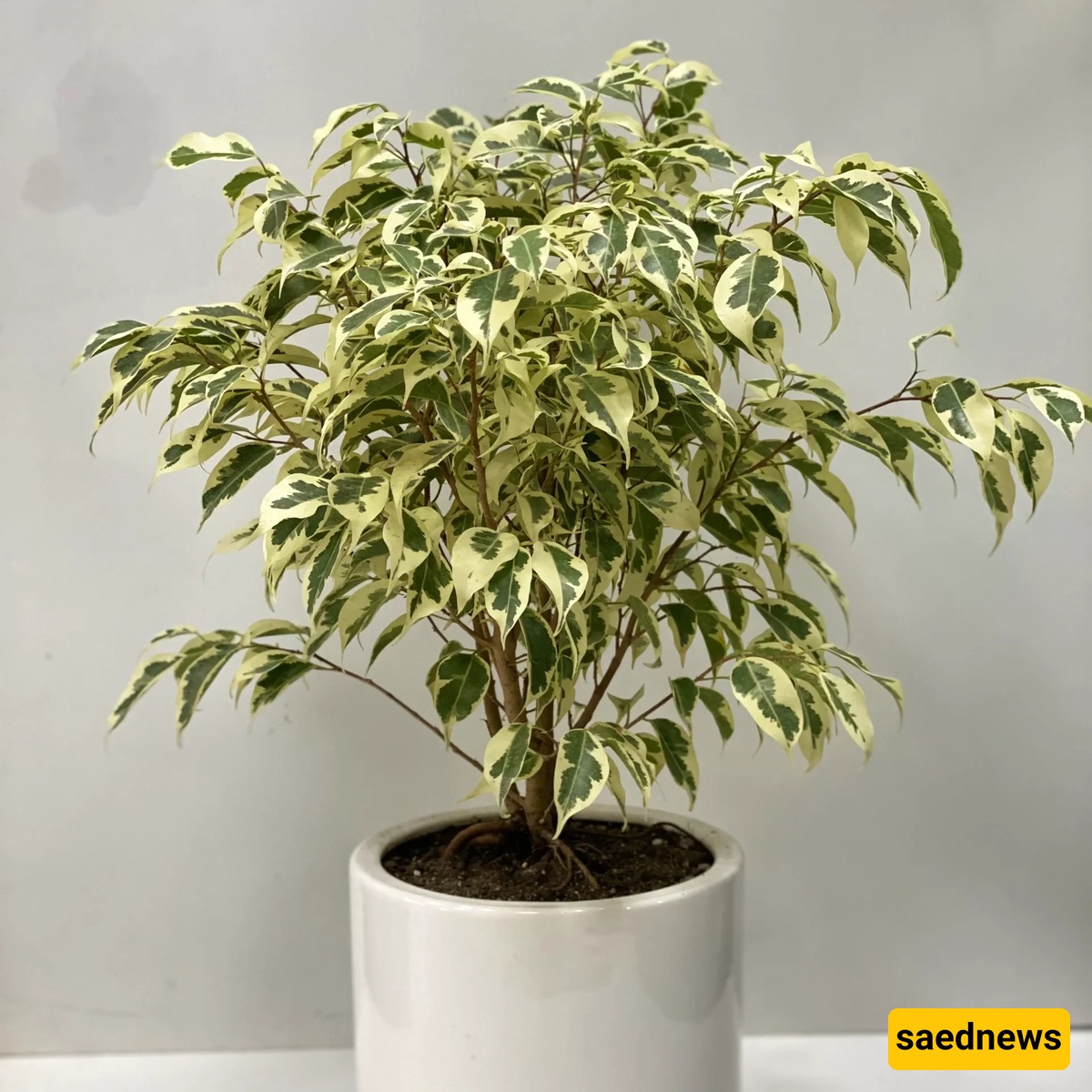
According to the Saed News Flower and Plant Service, the following outlines important guidelines for maintaining a Benjamin plant indoors.
The Benjamin plant is a light-loving species that requires a bright location with indirect sunlight. Although it naturally grows in shaded environments, it still needs sufficient light indoors to remain healthy and vibrant.
Keep in mind that frequently moving the plant can cause leaf drop. Therefore, choose a stable location with appropriate lighting.
Note: Direct sunlight, especially during peak hours, can seriously damage the leaves, leading to burns and leaf drop.
One of the key factors in the growth and health of most plants, including the Benjamin plant, is suitable soil. The soil should be rich in nutrients and organic matter to meet the plant’s needs.
Important note: If leaf drop continues despite optimal care, adding small amounts of magnesium and manganese supplements to the soil may help strengthen the plant. If the condition does not improve, other factors such as pests or diseases should be investigated.
Benjamin plants grow best at temperatures between 65–70°F (18–21°C) at night and 75–85°F (24–30°C) during the day.
To maintain this range, it is important to regulate indoor thermostat settings. Temperatures below 70°F may harm the plant and slow its growth.
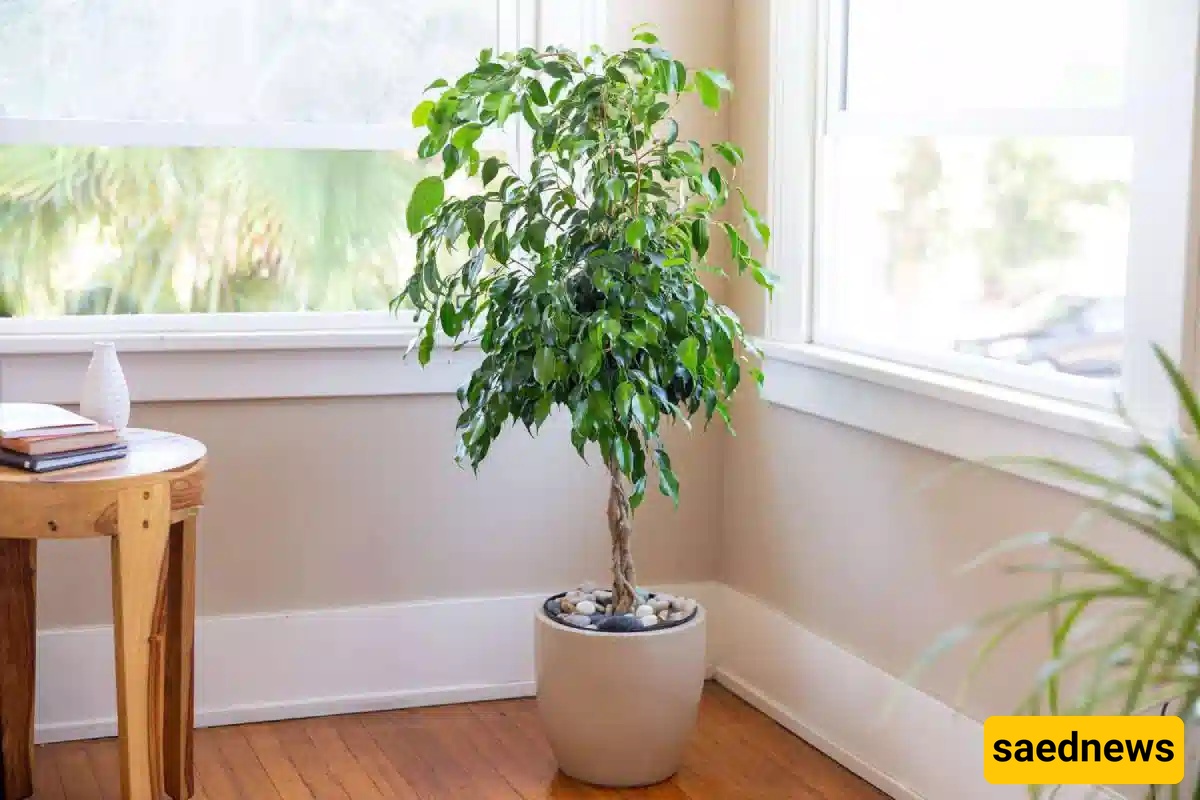
The Benjamin plant prefers a humid environment, and excessive dryness can cause leaf drop. To maintain humidity, you can use a cool mist humidifier or regularly spray water on the leaves.
Also, keep the soil slightly moist (but not waterlogged) and prevent it from drying out completely. Pruning dry and damaged leaves also helps maintain plant health.
The Benjamin plant requires regular watering, but the soil should not become waterlogged. Overwatering can cause root rot and leaf drop, while underwatering leads to stunted growth and wilting.
In general, water the plant more frequently during summer—at least once a week. As temperatures drop, reduce watering. For example, at temperatures of 10°C or lower, monthly watering may be sufficient.
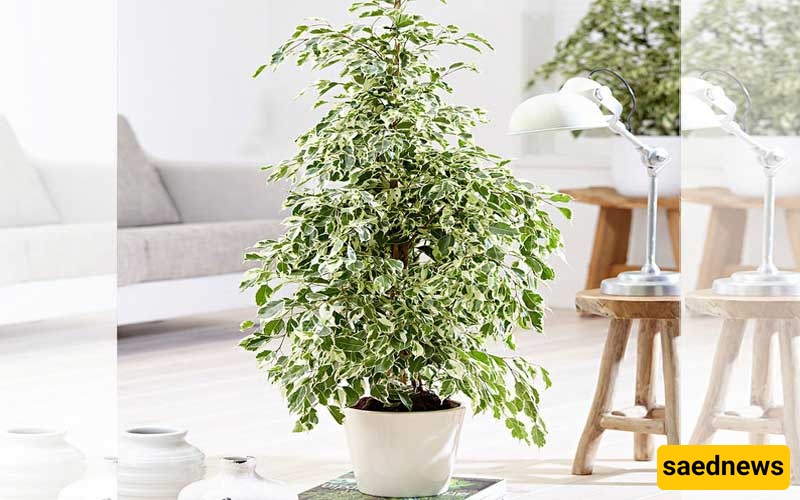
The best time to prune the Benjamin plant is during its dormant period when it is not actively growing. Since most plants grow actively in spring and summer, winter is generally the best time for pruning.
Always remove dry, diseased, or damaged branches. This helps maintain the plant’s health and vitality.