SAEDNEWS: If, after a mosquito bite, you experience pain and fatigue in addition to the symptoms already mentioned, it is best to be examined by a doctor. Only a medical professional can determine whether it is simply an irritating bite or something more serious.
According to the news website Saed News, citing Alo Doctor:
If you’re outdoors and get bitten, when should an insect bite be taken seriously? In this article, we take a closer look at insect bites and how your body reacts to them.
Have you ever wondered what actually happens when you scratch a mosquito bite? Or why insect bites itch so intensely? And how can you tell which bites are concerning?
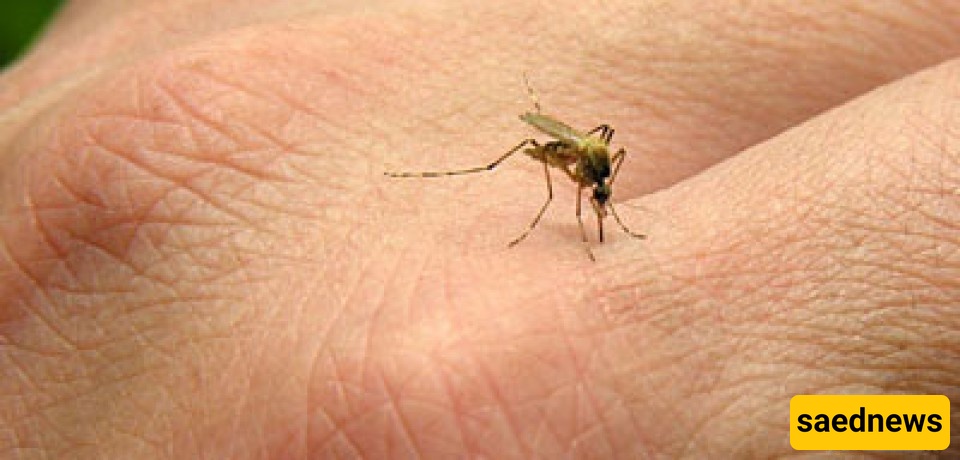
When a mosquito bites, it’s the female mosquito doing the work. According to entomology experts at the University of Florida, the female mosquito uses her proboscis to probe your skin and locate a capillary bed near the surface. Once the proboscis penetrates the skin, she injects saliva beneath it.
Mosquito saliva contains proteins that your immune system identifies as foreign substances. As a result, your body reacts quickly and intensely at the bite site. This immune response causes swelling and itching, usually within a day or two after the bite. In addition to itching, some people may experience allergic reactions or even develop infections.
Scratching a mosquito bite may seem harmless, but it can sometimes make things worse.
When you’re bitten, your skin releases a chemical called histamine. Histamine helps your body fight off potentially harmful substances, such as mosquito saliva. However, it also causes blood vessels around the bite to swell, creating a raised bump. Histamine can irritate nearby nerves as well, which leads to the familiar itching sensation.
If you experience the usual itching and swelling along with any of the following symptoms, you should consider seeing a doctor. Only a medical professional can determine whether it’s a simple bite or something more serious that requires treatment:
Persistent fatigue
Fever
Restlessness
Headache
Rash
General discomfort
Swelling of the throat
These symptoms may indicate an allergic reaction or a mosquito-borne illness.
Research shows that mosquitoes can detect humans from up to 150 feet away. This ability is largely due to the carbon dioxide (CO₂) we exhale when we breathe. CO₂ acts as a signal that triggers mosquitoes to search for a potential host.
Although carbon dioxide doesn’t guide mosquitoes directly to you, it helps them narrow down the search area. They fly upwind, following the scent of CO₂ until they locate its source. As they get closer, they evaluate other cues.
Mosquitoes can recognize humans from about 30 feet away. At closer range, they detect body heat, moisture, and body odor. Once they confirm you’re human, they look for a place to land—often around the feet or ankles. When they’re within about an inch of your skin and certain of their target, they bite.
Studies suggest that people with blood type O attract more mosquitoes than those with blood types A, B, or AB.
Certain genes, particularly those related to human leukocyte antigens (HLA), influence body odor. These genes play an important role in how your body smells, which in turn affects how attractive you are to mosquitoes. Some people naturally produce chemical signals that make them more appealing targets—meaning mosquitoes can “smell” them even in a crowd.
There are several ways to reduce your risk of mosquito bites:
Chemical repellents, especially those containing citronella, can be effective. Many are less harsh-smelling than older repellents but still provide protection.
Oil of lemon eucalyptus, a natural repellent, can also be effective. It is sold under the brand name Citriodiol, but it is not suitable for children under three years old.
Another approach is combining ingredients. Adding 5% DEET (diethyltoluamide) to vanilla or citronella oil can extend the repellent’s effectiveness while being gentler on the skin.
By understanding how mosquito bites affect your body—and recognizing warning signs—you can better protect yourself and know when to seek medical attention.