SAEDNEWS: Dry skin during pregnancy is common, and there are various ways to restore your skin to its normal condition. It is important to take extra care of your body’s skin during this time and pay attention to any changes, so that potential issues can be addressed promptly.
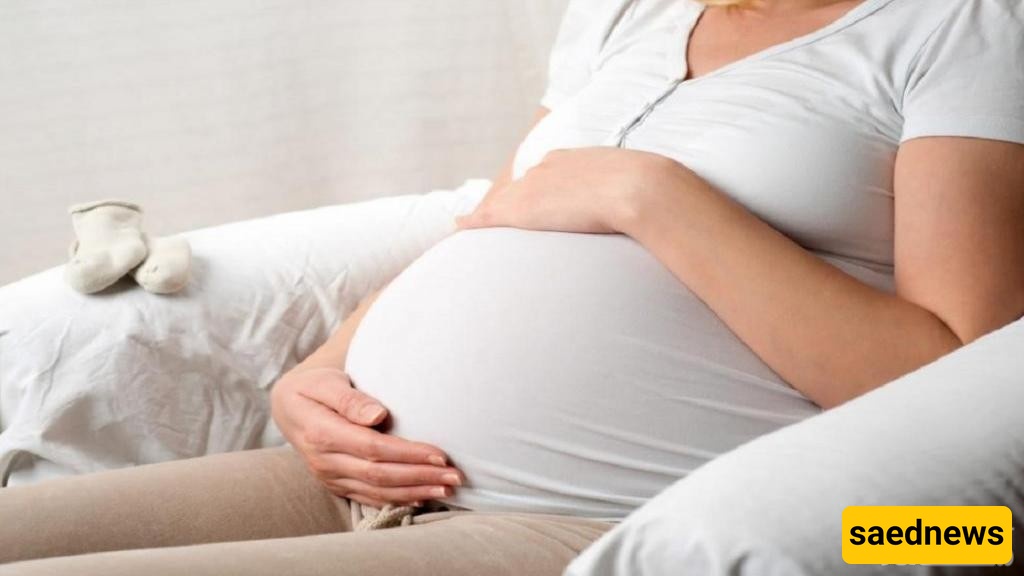
According to Saed News, about 90% of women experience changes in their skin during pregnancy. Some may have preexisting skin conditions, while others develop new issues, primarily due to hormonal changes. One common problem is skin dryness. Whether it’s your first pregnancy or you are experiencing dry skin for the first time while pregnant, know that this condition is usually normal, temporary, and often resolves after childbirth.
Skin, especially around the abdomen, typically starts to dry out during the second and third trimesters. As pregnancy progresses, dryness may also affect the face, hands, neck, chest, and thighs. Multiple factors contribute to skin dryness during pregnancy, which we explore below.
Physiological Changes: The growing fetus triggers numerous changes in your body, some of which can cause dry skin.
Increased Fluid Needs: Pregnant bodies require more fluids to support increased blood volume and oxygen transport. Dehydration can worsen skin dryness.
Weather and Temperature Changes: Shifts in temperature, humidity, and airflow can affect skin moisture, often becoming more noticeable in summer.
Hormonal Fluctuations: Pregnancy hormones can weaken or disrupt the skin’s protective hydrolipid barrier, leading to faster water loss and dryness.
Excessive Washing: Frequent washing, especially in women with oily skin, can strip the skin’s protective layer and exacerbate dryness.
Thyroid Issues: Hypothyroidism during pregnancy may make the skin dry, rough, and itchy.
Vitamin A Deficiency: A lack of vitamin A can cause flaky, dry skin, highlighting the importance of a nutrient-rich diet.
Stretching Skin: Abdominal skin stretching may lead to localized dryness, itching, and flaking, which is typically temporary and treatable.
Sometimes, skin dryness can become a more complex issue for some pregnant women.
Avoid very hot or cold water; wash your face and body with lukewarm water.
Drink plenty of water to prevent dehydration.
Use moisturizers and hydrating creams regularly. Hydrators add moisture, while moisturizers prevent water loss.
Add natural oils to bath water to reduce dryness.
Cover your skin and use plant-based sunscreens when outdoors.
Incorporate nutrient-rich foods with healthy fats like avocado, nuts, olive oil, canola oil, and leafy vegetables.
Consider a humidifier if living in a dry environment.
Use gentle, preferably plant-based cleansers.
Avoid harsh soaps, saunas, and frequent scrubbing, which can worsen dryness.
Limit caffeinated drinks such as tea, coffee, and soda, which can contribute to dehydration.
Be gentle when drying your skin; use soft towels instead of rough ones.
If your entire skin becomes dry or it causes significant discomfort, home remedies alone may not suffice.
Excessive dryness, sometimes alongside preexisting conditions, may lead to:
Eczema: Chronic dryness and flaking, often affecting the legs, abdomen, neck, and hands. Untreated, it can cause red bumps and other issues but responds well to timely medical treatment.
Prurigo: Rare, affecting 1 in 300 pregnant women, typically after the first trimester when severe dryness is more likely.
Other Conditions: Extreme dryness may lead to cracks or itchy raised patches, like PUPPP (pruritic urticarial papules and plaques of pregnancy). These conditions require physician consultation.
These issues can cause itching, but scratching should be avoided to prevent infection and wounds. Skin dryness during pregnancy rarely affects the baby and has no link to the baby’s sex. It is usually temporary and treatable.
Seek medical advice if home treatments fail or dryness worsens, especially in the following cases:
Red, itchy bumps with inflamed hair follicles.
Bleeding or bacterial infection from skin cracks.
Conditions like eczema, PUPPP, or prurigo that require medication.
Skin dryness during pregnancy is common, and there are multiple ways to restore your skin to normal. Careful attention to skin changes, proper hydration, diet, and gentle skincare routines can prevent complications. If uncertain, consult your doctor and follow their guidance.