SAEDNEWS: Marital burnout indicates that couples are emotionally drained and exhausted from their shared life
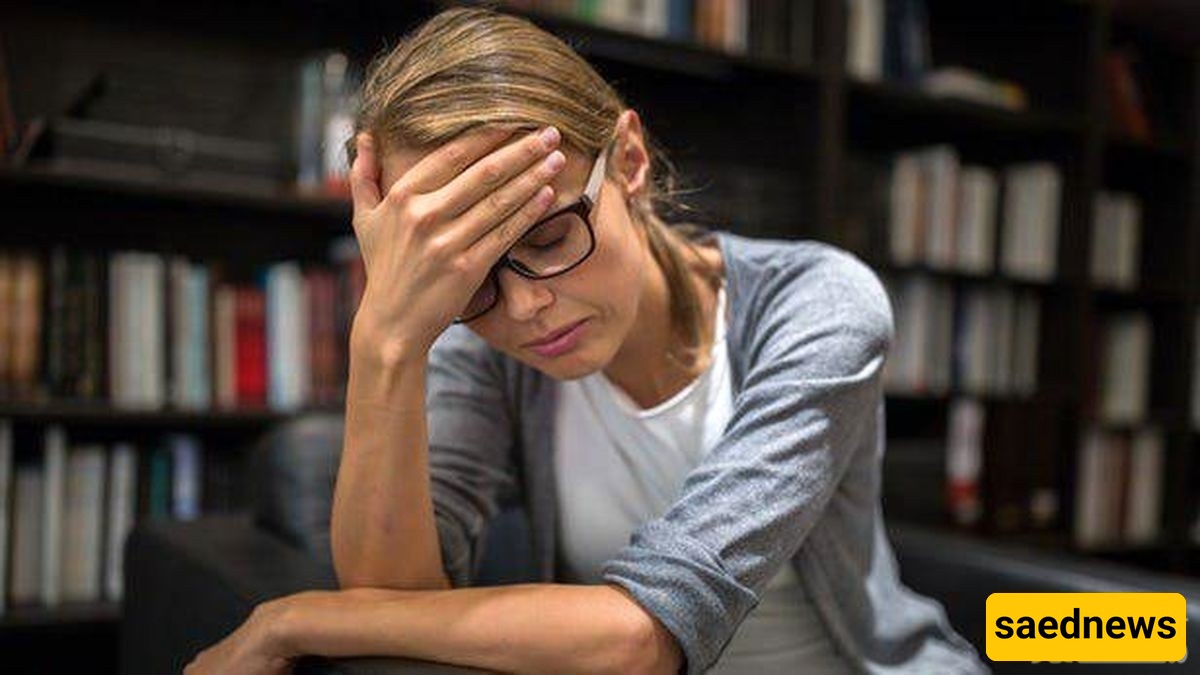
According to the Family Magazine section of Saed News, juggling multiple roles and responsibilities places significant pressure and stress on individuals. Our focus here isn’t on single mothers or women in demanding professional jobs, but rather on women who carry multiple roles and duties simultaneously, regardless of age or career, putting them at risk of burnout in everyday life.

Women are twice as likely as men to experience anxiety and depression. This likelihood increases when combined with hormonal fluctuations, such as those around menstruation, postpartum, or pre-menopause. Mood disturbances can sometimes overwhelm a person, affecting daily life and creating additional stress alongside sharper mood swings.
So, what is the solution for busy women? This is where seeking help from professionals becomes essential. Sharing and dividing the heavy load of stress with someone else can be an effective way to relieve it—but in reality, talking is far easier than doing. Sometimes, recovering from the fatigue of managing multiple tasks requires even more effort.
Generally, women tend to be highly responsible. Even if this doesn’t apply to every area of life, women are often more willing than men to take on household duties and caregiving. If you identify with this, it’s worth asking yourself why. One reason might be growing up in a traditional environment where such roles are expected of women. Another reason could be the desire to control and manage situations, which leads some women to take on multiple roles, especially the ones mentioned above.
There are many reasons women accept multiple responsibilities. Some feel no one else can handle tasks as well as they can or in the way they prefer, so they take on everything themselves. Whatever the reason, assuming multiple responsibilities often leads to frustration, vulnerability, and a form of anger. Heavy workloads can trigger fatigue and insomnia, while chronic exhaustion also reduces joy and motivation—classic signs of burnout.
Ignoring these signs doesn’t just affect you—it can strain relationships with those you live with, such as children and partners, as well as friends and colleagues.

Women need strategies to avoid burnout, maintain physical and mental health, and foster healthy relationships. One effective approach is delegating responsibilities. When tasks are shared among multiple people, the resulting pressure is distributed. However, many women are reluctant to delegate or ask for help.
If this sounds familiar, try these practical steps:
1. Stop saying “yes” to everything
Avoid automatically agreeing to every work request or life responsibility. Don’t take on everything, especially tasks that go unnoticed. Many women spend their days on countless small chores—laundry, tidying, organizing, and coordinating household matters—that drain energy but often go unnoticed. Saying “yes” to everything is like saying a giant “no” to your own peace of mind. Protect your own well-being.
2. Make time for yourself
Just as you schedule doctor visits, caregiving, and household duties, allocate time for yourself. Women often put self-care last—that’s a mistake. Dedicate time to exercise, hobbies, and ensure at least 7 hours of sleep each night.

3. Let go of unnecessary standards
Accept that no one can handle everything alone. When family members offer help, embrace it without criticism. Examples include:
Let your children make their beds their way.
Don’t reorganize the dishes after someone else has tidied them.
If your partner didn’t buy exactly what you wanted from the store, thank them instead of getting upset.
Seeking help isn’t a sign of weakness. Even the busiest lives can stay on track with proper planning. If you want everything to run smoothly without pressure, be open to receiving help—or at least don’t refuse it when offered. Asking for help reflects strong management skills, showing an ability to handle multiple responsibilities effectively.