SAEDNEWS: Tahini is a popular and nutritious food, but its tendency to harden is a common challenge in storage. In this article, we explore the main reasons behind this phenomenon and effective methods to bring back its soft, creamy texture.

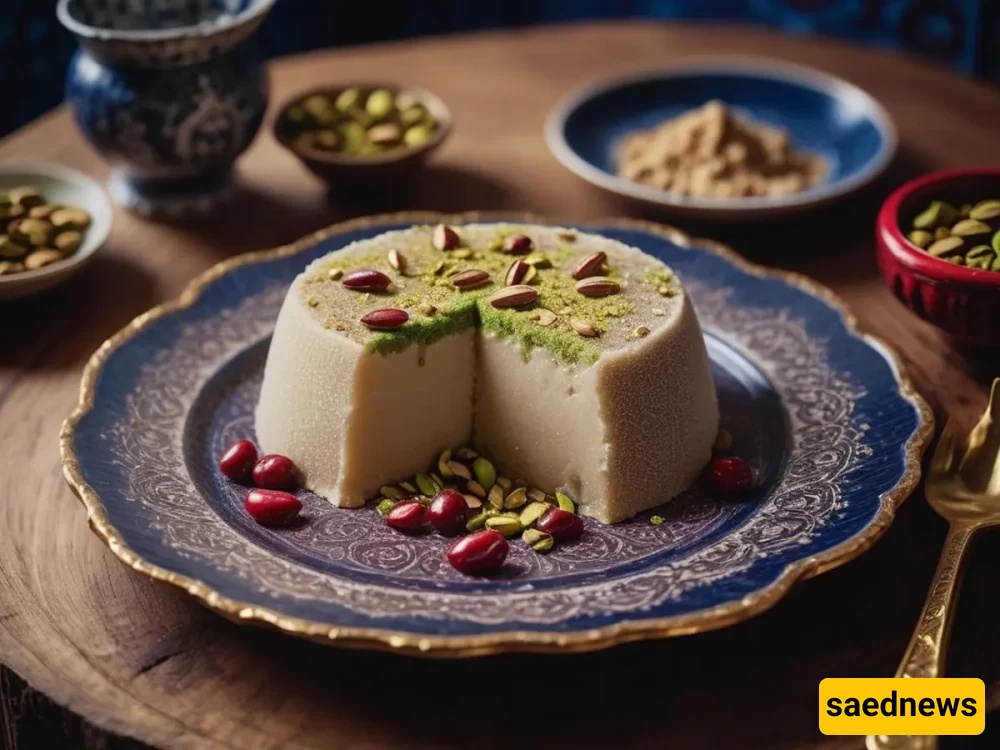
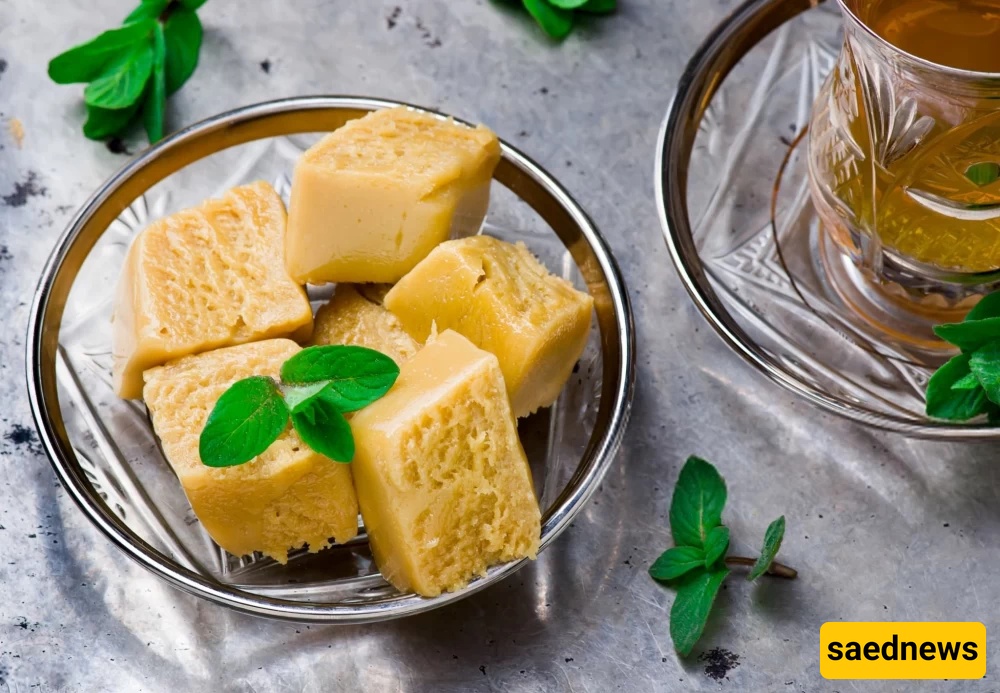
Tahini is a popular and nutritious food made from sesame seeds. Known for its distinctive flavor and health benefits, it is considered a rich source of energy and protein in many cultures. Tahini is used not only in meals but also in cooking, desserts, or even as a standalone treat. However, a common issue with storing tahini is that it can harden over time. This article explores why tahini halva hardens and how to soften it effectively.
One of the main reasons tahini hardens is the separation of its natural oil from the solid components. When stored in low temperatures or under improper conditions, the oil can gradually separate, causing the tahini to become thick and stiff.
Moisture plays a key role in maintaining tahini’s texture. If stored in a dry or warm environment, the moisture can evaporate, leading to a firmer consistency. This issue is especially noticeable during hot months when temperatures rise.
Regular stirring helps distribute the oil evenly and prevents hardening. If tahini is left unstirred for a long time, the oil may collect on one side while other parts become hard.
Some manufacturers use additives to extend tahini’s shelf life. These substances can alter the texture and quality, sometimes resulting in a harder product.
One simple method is to use gentle heat. Warm a container of water and place the tahini jar above it. The steam will gradually melt the oil and soften the texture. Avoid direct heat, as it can affect flavor and nutritional properties.
If your tahini has stiffened, adding a small amount of sesame oil can help. This softens the texture and allows the oil to penetrate the hardened parts. Stir thoroughly for a uniform consistency.
For very stiff tahini, a blender can be effective. Pulse the tahini for a few minutes to restore a smoother texture. This method works particularly well for dry or very thick tahini.
The best way to prevent hardening is proper storage. Keep tahini in a sealed container in a cool, dry place. Refrigeration is recommended to prevent oil separation.
Choose high-quality, natural tahini from reputable brands to avoid issues caused by non-standard additives.
Stir tahini regularly to maintain its texture, especially if stored for a long time.
Consume tahini while fresh to enjoy the best flavor and consistency.
Tahini is a valuable nutritional source, and proper handling ensures you benefit from its taste and health properties while avoiding texture problems.