Saed News: For years, people were told that the secret to high fitness, energy, and weight loss was eating small meals every two or three hours. However, medical research has shown that this eating pattern can actually have the opposite effect on health.
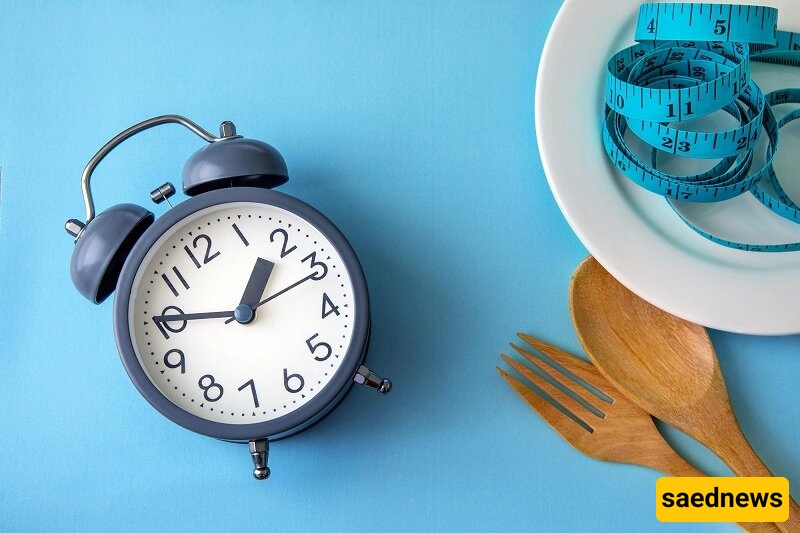
According to SAEDNEWS, nutrition experts today believe that eating frequent small meals throughout the day does not necessarily support good health, especially when people do not accurately know how much food they are consuming.
The issue is not only frequency and repetition, but also what is being consumed in those small meals. If the food is high-volume and unhealthy, it can indeed harm health. However, some health experts still believe that dividing meals into five light meals per day is the best strategy for maintaining or losing weight and preserving health.
Today, many studies show that constant eating can interfere with hunger signals, blood sugar regulation, digestion, and even long-term weight management. Experts also say the body needs longer breaks between meals.
A Journey to Nowhere
Frequent and continuous eating became widely accepted based on the belief that it could solve many modern health problems.
People believed it could prevent overeating, maintain energy levels, and reduce food cravings. Fitness centers also promoted the idea that frequent eating could improve metabolic status.
According to the U.S. National Institutes of Health, total calorie intake and food quality are far more important for weight management and metabolism than the frequency of eating.
5 Meals a Day Is Good, But Conditional

While research shows that uncontrolled frequent eating throughout the day can have negative health effects, some nutritionists still believe that the best diet includes five light meals per day based on personal judgment and awareness.
Dr. Mansour Rezaei, a nutrition specialist, told Hamshahri: “Studying the night before an exam does not lead to true learning; it only helps you pass. To become educated, you must study slowly and continuously over time. The same applies to nutrition: meals should be divided into three main meals and two small snacks. This does not mean constant snacking.”
According to Rezaei, breakfast, lunch, and dinner plus two small snacks help convert more food energy into heat and control appetite, preventing overeating, fast eating, and excessive consumption.
Skipping a Meal Is Harmful
He explains that people do not realize what happens when they skip lunch or dinner. When one meal is skipped, self-control becomes harder at the next meal, leading to overeating, fast eating, and cravings for sweets. Therefore, instead of fasting diets, he recommends five light meals per day.
He emphasizes that snacks should not be full meals or large plates of food and should remain light.
Criticism of Fasting (Fasting Diet)
Regarding whether frequent meals disrupt blood sugar control, digestion, and weight management, he says eating should be guided by balance and rational choice.
He notes that intermittent fasting for 18 hours may have some benefits because the body uses stored fat during fasting periods, but it may also lead to some protein breakdown.
According to this nutrition expert, muscle breakdown during fasting is common, and fasting can also lead to faster and poorer eating habits. A person should eat when hungry, stop before full, and keep portions small.