SAEDNEWS: Experts and analysts stress that prolonging the negotiations serves the interests of none of the parties involved. The longer the talks drag on, the more room is created for actors who oppose an agreement or seek to influence and distort the course of the negotiations.
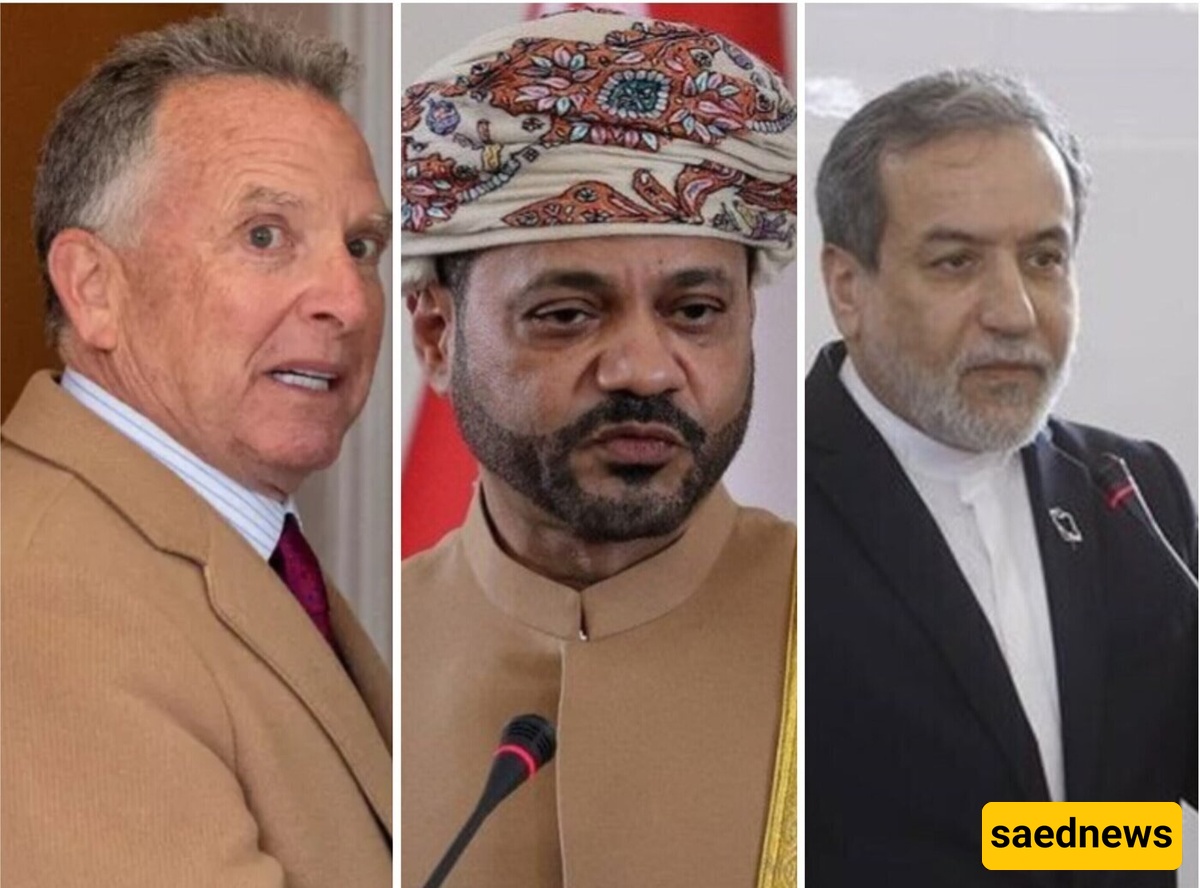
According to the Politics Desk of Saed News Agency, citing Ettela’at, a new round of nuclear negotiations between Iran and the United States was held in Muscat at a time when attention is focused on the direction of the talks, their continuation, and their potential outcomes. The primary focus of these negotiations remains the nuclear file, and the negotiating parties have emphasized that no other issues are currently on the agenda.
At the same time, the U.S. military presence in the region, along with reactions and mediation efforts by neighboring countries and regional actors, has underscored the growing importance of speed and precision in advancing the negotiations. Analyses suggest that any diplomatic success could not only reduce tensions but also create opportunities to address other regional and international challenges.
In this context, experts and analysts stress that prolonging the negotiations serves the interests of neither side. The longer the talks continue, the more opportunities arise for actors opposed to an agreement or those seeking to influence the negotiation process.
Abolghasem Delfi, former Iranian ambassador to France and former Director General for Western Europe at the Ministry of Foreign Affairs, told Ettela’at that achieving tangible and clearly defined results is vital both for protecting national interests and for reducing external pressure and interference. He noted that maintaining focus on the nuclear issue and preventing delays in the negotiations could strengthen the diplomatic track and contribute to de-escalation and greater regional stability.
Delfi emphasized that the core subject of the negotiations remains what was previously announced: the nuclear dossier. He added that following the conclusion of the latest round of talks in Muscat, both the American and Iranian sides, including Foreign Minister Abbas Araghchi, expressed satisfaction with the process and optimism about its continuation. Both parties also indicated that the next round of negotiations would likely take place early next week.
Regarding foreign media speculation about the inclusion of non-nuclear issues in future talks, Delfi said that available evidence shows the negotiations are moving toward resolving one of the main challenges—the nuclear issue. For now, both Araghchi and other Iranian officials have emphasized that no topics other than the nuclear file are under discussion. On the American side as well, including former President Donald Trump, no issues beyond the nuclear dossier have been raised so far.
He noted that media narratives, the positions of other countries, and the global media environment are separate matters. These factors must be assessed within their own context to determine how much influence they actually exert on the negotiation process.
Delfi stated that if the current negotiations succeed in resolving the nuclear issue in exchange for sanctions relief, this could mark the beginning of using diplomacy as a pathway to address other problems. However, he acknowledged that there are groups fundamentally opposed to such an outcome.
Referring to Israel’s opposition to a potential agreement between Iran and the United States, Delfi said that Israel appears to be the most determined opponent of the negotiation process and has mobilized its full capacity to prevent the talks from reaching a conclusion. At present, however, Israel does not appear to be seeking an immediate war, as military and political analyses suggest it has not yet reached the level of readiness required for a large-scale confrontation with Iran, particularly in the defensive sphere.
He added that given Iran’s stated position that Israel would be the first target in the event of any U.S. aggression, Israel may not yet feel sufficiently prepared to confidently enter such a scenario or to exert maximum pressure on Washington to move toward military confrontation.
Delfi pointed out that shortly after the conclusion of the Muscat talks, Israeli Prime Minister Benjamin Netanyahu was scheduled to travel to Washington to meet with Trump. Iran is expected to be the central topic of these discussions, and Israel will likely seek to influence the negotiations, either through increased political pressure or by attempting to introduce new issues into the talks.
Addressing the prospects for a nuclear agreement, Delfi said many analysts inside and outside Iran believe that indirect negotiations with the United States, regardless of the justification, are likely to take more time and yield fewer results. In contrast, direct negotiations often offer greater advantages and are less constrained by the limitations inherent in indirect channels.
He explained that when a country such as Oman acts as an intermediary, some nuances and details may be lost or conveyed with less precision, potentially affecting the protection of national interests. Therefore, if the goal is to achieve outcomes aligned with national priorities, direct negotiations may prove more effective and could warrant consideration in later stages.
Delfi emphasized that prolonged negotiations give greater leverage to actors opposed to an agreement, including Israel and others seeking to steer the process in their preferred direction. Accelerating the conclusion of talks could help prevent increased pressure and interference.
He noted that holding negotiations in the capitals of the two countries also carries certain advantages, as it enables delegations to consult with other influential officials and figures, potentially facilitating progress. Accordingly, the format and location of negotiations should be carefully chosen to help achieve desired outcomes in a shorter timeframe.
Regarding the extensive U.S. military presence in the region and the possibility of military action against Iran, Delfi said such deployments cannot be considered purposeless given their cost and scale. However, based on Trump’s behavior and decision-making patterns over the past year, he suggested that if Trump’s interests are met, he is more likely to rely on non-military and diplomatic tools rather than war.
If the current Iran-U.S. negotiations produce results in the near term, Delfi said the U.S. military presence may be interpreted primarily as leverage to initiate or advance talks. If the negotiations fail—something he hopes will not happen—then the broader implications of the U.S. military posture would warrant closer scrutiny.
Delfi observed that the initiation of negotiations has already reduced the immediate risk of war. Major regional countries, including Saudi Arabia, Turkey, Egypt, and Qatar, are not interested in the emergence of a new conflict, even though their interests do not fully align with Iran’s.
He stressed the importance of expanding diplomatic engagement with regional countries, especially after the first round of talks, to reinforce opposition to war and prevent escalation. Continued regional consultations can play a meaningful role in reducing the likelihood of conflict and supporting diplomacy.
Delfi highlighted the role of European countries in the nuclear issue, noting that Europe’s past performance has not been viewed positively by many observers, given its failure to fully meet its commitments over nearly two decades of negotiations. Nonetheless, he argued that Iran should not alienate Europe at a time when broader support is needed, as this could push European countries closer to Washington and increase pressure on Tehran.
He also emphasized the importance of encouraging Russia and China—both permanent members of the UN Security Council and traditional supporters of Iran’s positions—to play a more active role in backing the negotiation process and preventing a shift toward military options.
In concluding his remarks, Delfi said the central issue is not trust in U.S. policy or in Trump personally, but rather achieving a timely and clearly defined outcome focused on resolving the nuclear issue and lifting sanctions. Negotiations should not be open-ended; they must aim for a concrete and mutually acceptable result.
Success, he said, means reaching an agreement that serves the core interests of both sides, reduces tensions, and is defensible domestically and internationally. If U.S. interests—particularly those pursued by the Trump administration—are met at an acceptable level, the likelihood of military confrontation would naturally decline. For Iran, the priority is not blind trust in negotiations, but securing tangible outcomes that safeguard national interests.
Ultimately, Delfi concluded, a successful negotiation is one in which both sides can claim relative satisfaction and define achievements that are sustainable and credible on both the domestic and global stages.