SAEDNEWS: Grandchildren once filled grandparents’ homes, teaching life lessons and sharing joy. This closeness strengthened families and bridged generational gaps. From psychology to sociology, restoring these bonds is more important than ever.
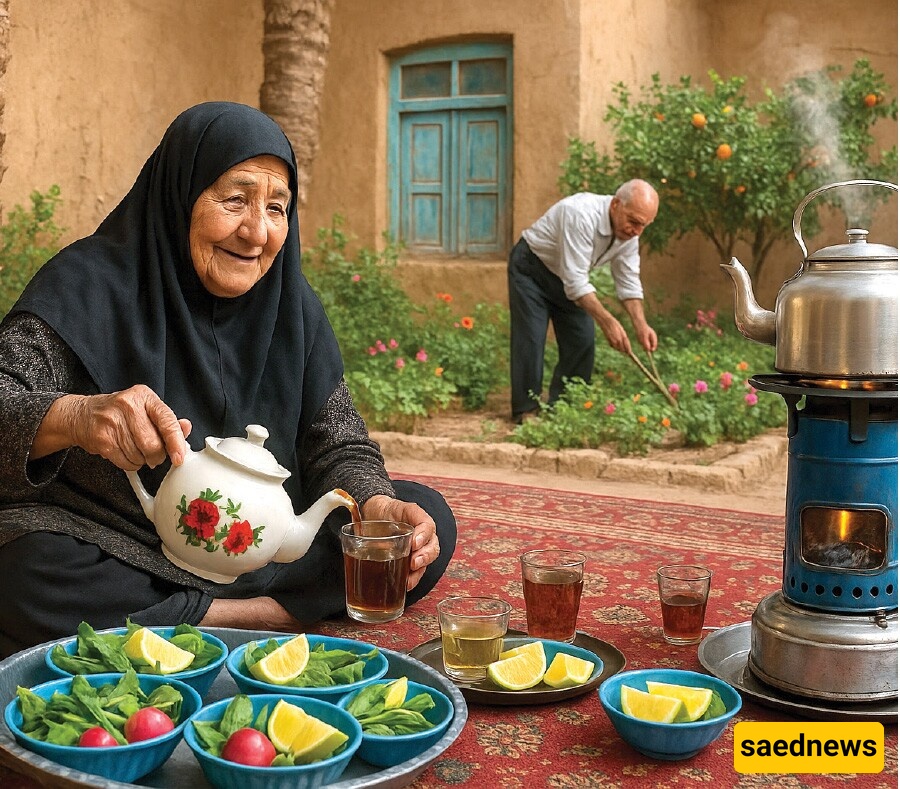
According to the Saed News Society Service, as reported by Khorasan newspaper: the aroma of freshly brewed tea in Grandma’s samovar, the sound of children playing in a large yard tended carefully by Grandpa, the taste of hidden chocolates in his pocket, and stories that seemed never to repeat themselves—all of these remain vivid in the memories of many of us.
I remember one hot summer afternoon, after a long day climbing the trees in the yard and hiding among the garden flowers, I told my worried Grandpa, concerned I might get a nosebleed, “Grandpa, if I come inside, you have to tell me a story.” My grandfather, a truck driver, would share fascinating tales from his nights and days on the road, in his warm and soothing voice. I never knew which stories were true and which were just for entertainment. Whatever the case, the childhood experience with grandparents for previous generations was very different from today. Yet now, even though families may have fewer grandchildren, the bond between children and grandparents has weakened significantly. In today’s world—with busy lives, migration between cities or even countries, and advances in technology—the space for such close, intimate connections has become scarce. In this feature, while reminiscing about the past, we also explore the consequences of this weakening bond and why it is important to strengthen it from multiple perspectives.
The Sweet Memories of Yesteryear
Imagine a spring afternoon: the air is pleasant, Grandpa has watered the garden, giving the surroundings a special charm, and a rug is spread on the terrace for the elders. Uncles are preparing the corn-on-the-cob, girls are playing “auntie games” in one corner, while boys tend to small flowers in another. In traditional grandparents’ homes, active and group play was an inseparable part of children’s lives. The backyard pool offered a place for swimming and playful splashing. Children’s laughter filled the home with joy and vitality.
Large garden trees presented a playful challenge for climbing, allowing children to see the world from above—and, of course, pick fruit. Hide-and-seek was another favorite. Children would hide behind natural hedges, flowerpots, or in corners of the yard, eagerly awaiting Grandpa’s warm, cheerful voice declaring, “Found you!” These games not only created joyful moments but also taught lessons about friendship, interaction, and shared happiness—lessons that shaped young minds for life.
Grandma’s House: Storytelling and Lasting Wisdom
Evenings were when the house quieted, and Grandma began her sweet storytelling. Children gathered around her as she recounted fairy tales, Iranian legends, and even stories from her own life. Her warm voice filled the night’s silence and carried young imaginations into the world of stories. Grandmothers were not only storytellers but also teachers full of experience. Each tale and proverb embedded valuable life lessons. These stories entertained while connecting children to their culture and ancestral wisdom.

Family gatherings during special occasions—like Nowruz or Yalda Night—brought Grandma and Grandpa’s home to life with activity and joy. Everyone came together, strengthening family bonds and creating a sense of unity. Parents prepared festive tables while children eagerly helped. The aroma of delicious food and homemade sweets filled the home. These events not only expressed family love but also preserved cultural identity and values across generations.
Grandparents’ homes were also centers for communal activities, such as preparing and distributing food for religious occasions. Children learned teamwork, responsibility, and social identity through these simple acts.
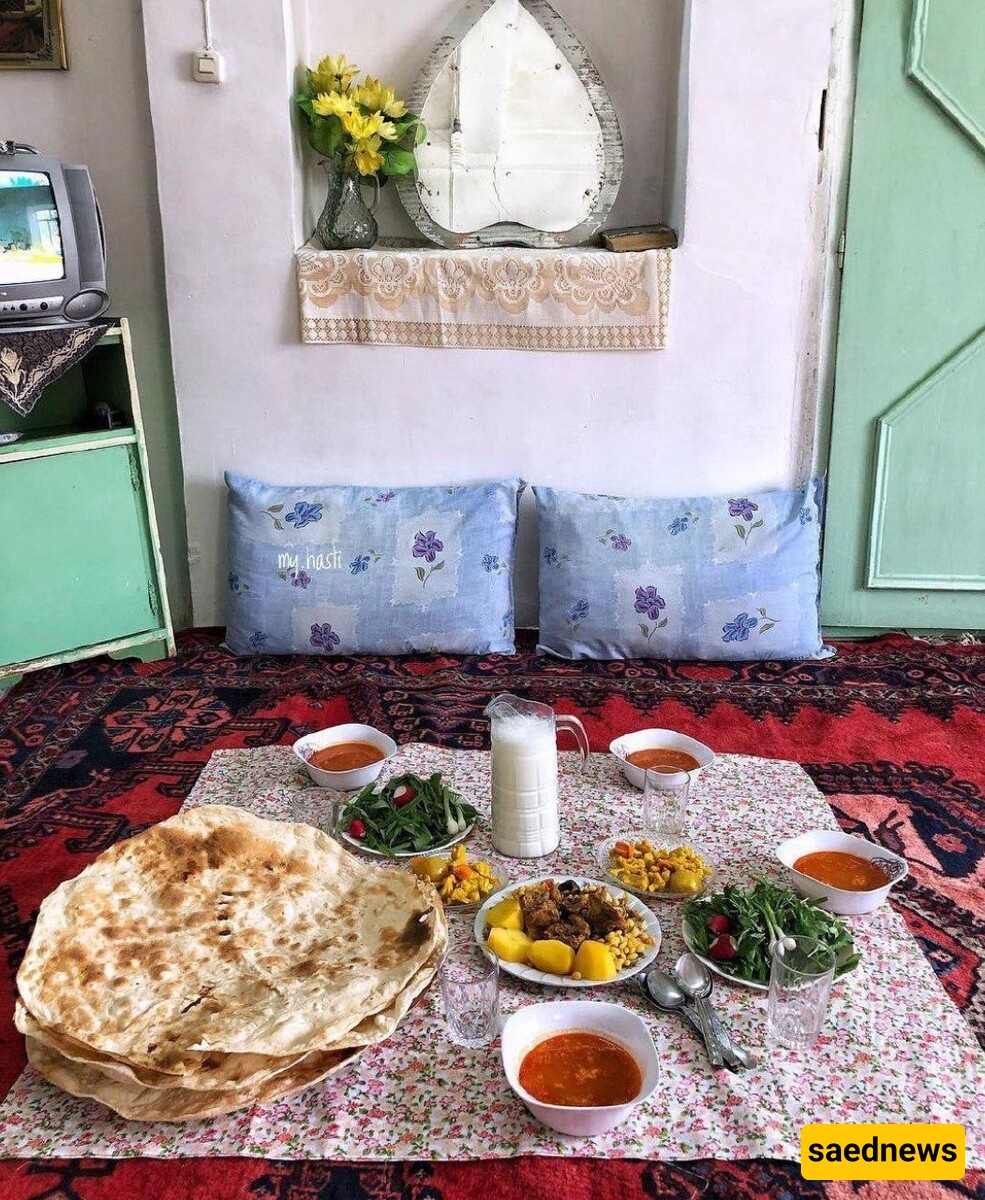
Even today, grandchildren develop an unusual appetite at Grandma’s house. Even if they are not hungry, Grandma would coax them to eat with playful reminders. The meals—whether the fragrant noodle soup, uniquely shaped Tabrizi meatballs, or homemade jams for breakfast—were expressions of love and care. Every meal in grandparents’ homes carried warmth, security, and a sense of family connection.
Why the Bond Between Grandchildren and Grandparents Has Faded
Changes in lifestyle, shifting roles of elders, busy family schedules, and economic pressures have reduced both the frequency and quality of grandchildren’s presence with older relatives.
Lifestyle Changes: Apartment living, parental work commitments, and sometimes the elders’ own fatigue have diminished daily family interactions. Families are smaller, and children have fewer opportunities to connect with grandparents.
Impact of Technology: Today, grandchildren often spend more time in virtual worlds than playing outside or listening to stories. This shift has weakened intergenerational bonds.
Changing Roles of Grandparents: Previously, grandfathers and sometimes fathers-in-law had central roles in family work and business. Today, many remain employed even after retirement, reducing their influence in family life.
Economic Challenges: In the past, grandparents could host their children and grandchildren frequently. Today, economic constraints, costs of food, and limited pensions have made family gatherings rarer, widening the generational gap.
The Consequences of Weakened Connections
Loss of Cultural Identity: Without close relationships with grandparents, children may grow up unaware of traditions and cultural values, fostering individualism and detachment from roots.
Psychological Effects: Children may experience loneliness, depression, and reduced self-confidence. Without positive role models, they may struggle to navigate life’s challenges.
Weakened Family Bonds: Lack of interaction with grandparents reduces family cohesion and respect for elders, impacting both the young and the older generation’s sense of purpose.
Social Implications: A society that does not value its elders may struggle to maintain harmony and respect across generations.
Why Strengthening the Bond Matters
Connecting the younger generation with elders brings numerous benefits:
Transmission of Values and Experience: Elders share knowledge, traditions, and cultural heritage.
Preserving Family and Cultural History: Close relationships with grandparents help maintain family stories and cultural identity across generations.
Strengthening Family Belonging: Children feel supported and connected, enhancing a sense of belonging.
Increasing Family Cohesion: Regular interaction fosters intimacy and shared experiences.
Creating a Safe and Supportive Space: Elders provide guidance, support, and reassurance, especially during challenging times.
Reducing Stress and Anxiety: Grandparents’ emotional support helps grandchildren face life’s difficulties.
Enhancing Emotional Intelligence: Observing and learning from elders improves social and emotional skills.
Promoting Respect for Elders: Regular interaction teaches children to value and honor older generations.
Improving Elders’ Well-Being: The presence of grandchildren combats loneliness, giving purpose and joy.
These benefits depend on respecting parental authority and avoiding unnecessary interference that could strain the parent-child relationship.

How to Foster Healthy, Effective Connections
Regular Visits: Schedule weekly or monthly meetings to make interaction habitual.
Shared Activities: Engage in traditional games, cooking, watching old movies, or reading together.
Storytelling and Conversation: Discuss family history, reminisce, review photo albums, and share thoughts.
Expressions of Affection: Use kind words, celebrate occasions with small gestures, and enrich daily interactions with love.
Using Technology: When physical visits are difficult, video calls, messaging, and social media can bridge the gap.
Family Celebrations: Invite grandparents to participate in family events to strengthen connection and belonging.
Public Spaces: Parks, libraries, and recreational centers provide healthy environments for intergenerational interaction.
By nurturing these bonds, families ensure that cultural heritage, emotional support, and mutual respect continue across generations, enriching both the young and the old.