SAEDNEWS: If you suffer from a stomach ulcer, fig leaves may offer relief. Simply chew the leaves and swallow the saliva that forms in your mouth to help soothe your ulcer.

According to Saed News Medical Service and citing Alo Doctor, figs are a warm-natured fruit rich in phosphorus, calcium, and potassium. Fig leaves are highly effective in treating skin and digestive disorders. This article explores the medicinal benefits of fig leaves.
Reducing Swelling:
To alleviate swelling in different parts of the body, place fig leaves directly on the affected area.
Boil fig tree leaves in water and let it cool slightly. Pour the water into a basin and sit in it to relieve painful, swollen hemorrhoids.
A decoction of fig leaves helps relieve abdominal pain.
Infusing 26–30 grams of fig leaves per liter of water creates a soothing drink recommended for treating coughs.
Fresh fig leaves help heal wounds, cuts, and superficial injuries. Place the leaves on the affected area briefly for best results.
Boiled young fig tree stems help eliminate excess water from the body.
Fig leaves contain high amounts of natural insulin. To benefit from them, consume the extracted juice. Simply boil the leaves in drinking water, let it cool for 15 minutes, and drink. To improve the taste, add a little honey or cinnamon.
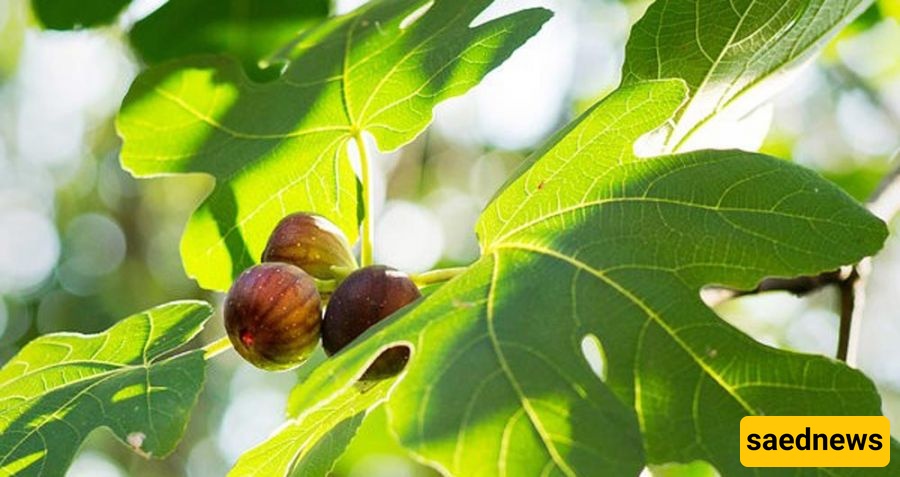
Fluctuating triglyceride levels often result from kidney disease, genetic lipid disorders, or hypothyroidism. Drinking fig leaf tea daily helps maintain healthy triglyceride levels, reduces excess body weight, and minimizes the risk of heart disease.
For stomach ulcers, chewing fig leaves and swallowing the extracted juice can promote healing. Always wash the leaves before use.
Figs are rich in fiber, which plays a key role in relieving constipation. They also help maintain healthy cholesterol levels and improve digestive function. Figs can aid in conditions like acid reflux, heartburn, and gastritis. Including figs in your diet allows you to fully benefit from their health-promoting properties.
When unripe figs or fig leaves are cut, a white, bitter, and caustic latex oozes out. This latex contains enzymes similar to those in human pancreatic juice (like lipase and protease) and was historically used to tenderize meat by adding fig wood or leaves to cooking pots.

Ancient physicians believed that fig latex and leaves, when applied externally, have healing effects:
Removing warts and corns: Apply 1–2 drops of white fig latex to the affected area morning and evening. Over time, the wart or corn gradually disappears. Sometimes, latex is mixed with fat or castor oil for better effect.
Healing wounds: Fresh leaves placed briefly on superficial wounds accelerate healing.
Reducing skin flaking: Powdered dried fig leaves soaked in vinegar can be applied to the skin.
Preventing hair loss: Powdered dried leaves soaked in water can be applied to the scalp or eyebrows.
Relieving toothache: A drop of fig latex applied to a decayed tooth can alleviate pain caused by cavities.
Eating figs, fresh or dried, in moderation is generally safe for most people. However, excessive consumption of fig latex may cause gastrointestinal bleeding in some individuals. Topical use of fig leaves may increase sensitivity to sunlight. People with sensitive skin should avoid direct contact with figs, as it may cause itching.