SAEDNEWS: EU to Freeze Russian Assets Until War Ends and Ukraine Is Compensated
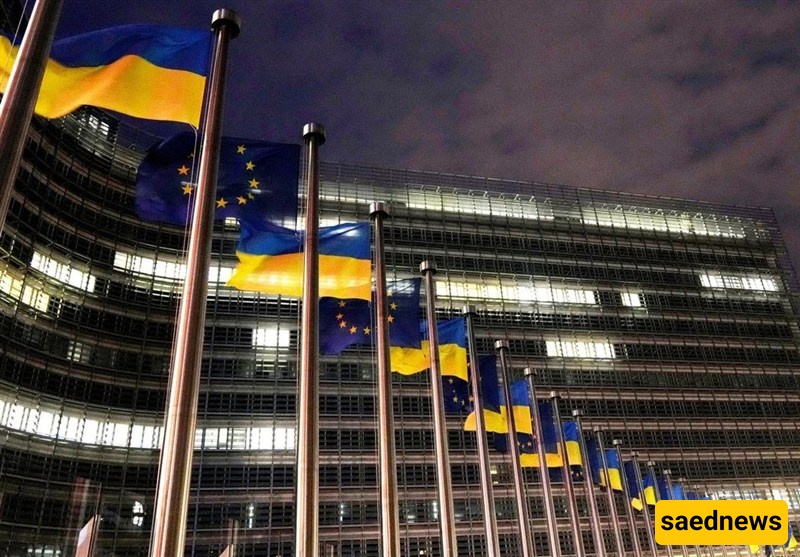
The move marks a significant step that would allow EU leaders to work out at a summit next week how to use tens of billions of euros in Russian Central Bank assets to underwrite a massive loan aimed at helping Ukraine meet its financial and military needs over the next two years.
Hungarian Prime Minister Viktor Orbán — Russian President Vladimir Putin’s closest ally in Europe — accused the European Commission, which prepared the decision, of “systematically raping European law.”
Currently, 210 billion euros ($247 billion) in Russian assets are frozen in Europe. The majority — approximately 193 billion euros ($225 billion) at the end of September — are held in Euroclear, a Belgian financial clearinghouse, according to the AP.
These funds were frozen under EU sanctions imposed on Russia following its February 24, 2022 invasion of Ukraine. However, these sanctions must be renewed every six months, with approval from all 27 member states. Hungary and Slovakia oppose providing further support to Ukraine.
Friday’s anticipated decision, based on EU treaty rules allowing the bloc to protect its economic interests in certain emergency situations, would prevent member states from blocking the sanctions renewal and simplify the use of these assets.
Orbán took to social media to claim that the move signals “the end of the rule of law in the European Union, with Europe’s leaders placing themselves above the rules.”
In a letter to European Council President António Costa, who will chair the summit starting December 18, Slovak Prime Minister Robert Fico said he would refuse to support any initiative “that would include covering Ukraine’s military expenses for the coming years.” He cautioned that “the use of frozen Russian assets could directly jeopardize U.S. peace efforts, which rely on these resources for Ukraine’s reconstruction.”
The European Commission, however, argues that the war has imposed heavy costs on the EU by driving up energy prices and slowing economic growth, even as the bloc has already provided nearly 200 billion euros ($235 billion) in support to Ukraine.






![Mysterious Ghost Captured by James Webb Telescope in Space [Photo]](https://en.saednews.com/storage/files/post/b9941a9d-7162-4b40-8090-ecfcc8b7ef59-GSffBk6i9vZEGrJX/1x1-image.jpg)