SAEDNEWS: Stress has a profound effect on gut health, influencing the digestive system’s function—from breaking down food to overall well-being. Cramping and stomach pain are among the common consequences.
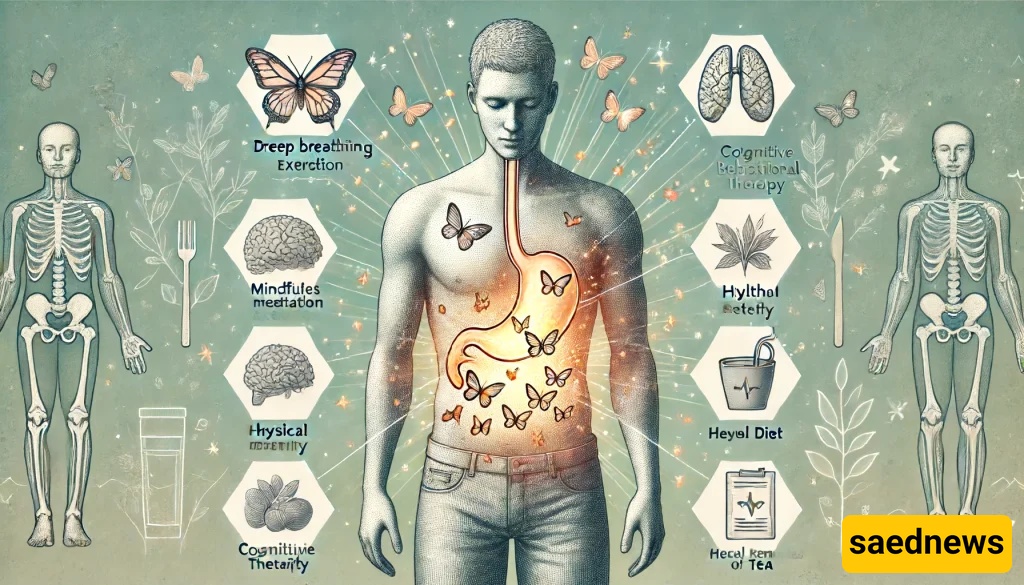
According to SaedNews’ science and technology service, citing Hamshahri Online, the gut is often called the “second brain” because it contains an extensive network of neurons and neurotransmitters that communicate directly with the brain.
This connection is part of the gut-brain axis—a pathway linking the digestive system to the central nervous system. When experiencing stress, whether physical or psychological, the body releases stress hormones like cortisol and adrenaline, which can have a direct impact on the gut.
These hormones can disrupt normal digestive function, leading to issues such as:
Digestive disturbances: Stress triggers the body’s “fight or flight” response, diverting energy away from nonessential functions like digestion. This can slow or impair food breakdown, causing bloating, indigestion, or constipation.
Increased stomach acid: Chronic stress may stimulate excessive acid production, resulting in reflux, heartburn, or even stomach ulcers. Excess acid can irritate the stomach lining, leading to persistent discomfort.
Altered gut microbiota: A balanced gut bacterial population is crucial for digestion and overall health. Stress can disturb this balance, promoting harmful bacteria while reducing beneficial ones. Such imbalance may contribute to irritable bowel syndrome (IBS), diarrhea, or bloating.
Exacerbation of gastrointestinal disorders: For individuals with conditions like IBS or Crohn’s disease, stress can intensify symptoms, increasing abdominal pain, cramping, and bloating.
1. Manage Stress
Relaxation exercises: Yoga, meditation, and deep-breathing practices can lower stress levels.
Regular physical activity: Exercise triggers endorphin release, helping to reduce stress.
Adequate sleep: Sleep deprivation increases stress and worsens digestive problems. In critical situations, scientific methods to improve sleep quality may help.
2. Eat a Gut-Friendly Diet
Avoid irritants: Fatty, spicy, caffeinated, and carbonated foods can aggravate the gut.
Consume sufficient fiber: Essential for proper bowel function and constipation prevention.
Probiotics: Foods or supplements like probiotic yogurt support gut microbiome balance.
3. Minimize Digestive Stress
Eat smaller, more frequent meals to prevent overfilling the stomach.
Chew food thoroughly and take time when eating.
Avoid lying down immediately after meals.
4. Use Appropriate Medications
Antacids or proton pump inhibitors for reflux and ulcers.
Anti-diarrheal drugs or mild laxatives to regulate bowel movements.
Anti-anxiety medication under medical supervision for severe stress.
5. See a Doctor
If symptoms persist or worsen, consulting a gastroenterologist is essential. Further evaluation, such as endoscopy or blood tests, may be necessary.