SAEDNEWS: STDs are very common, and people can become infected without realizing it, because many infected individuals show no obvious signs or symptoms.
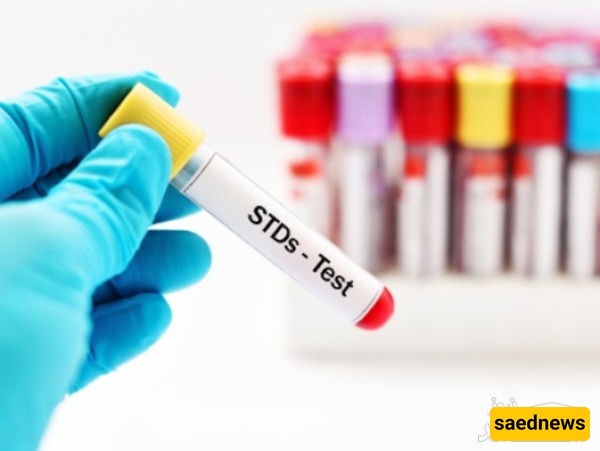
According to Saed News and Namnak:
Sexually transmitted diseases (STDs) are infections passed through oral, vaginal, or anal sex, intravenous drug use, or non-sexual contact such as childbirth and breastfeeding. The Centers for Disease Control and Prevention (CDC) estimate that 19 million cases are reported in the United States each year.
STDs are very common, and many people may be infected without realizing it, as symptoms are often not obvious. That’s why it’s recommended to get tested once or twice a year. Regular testing is an excellent way to protect your sexual health and that of your partner. To prevent infection and understand the signs, read on carefully.
STDs can enter the body through multiple routes:
Having unprotected sex with an infected person
Consuming contaminated food
Skin-to-skin contact with someone who has HPV or herpes increases the risk of infection
Sharing toilets, towels, or clothing—especially when damp—can increase the risk of trichomoniasis
Sharing needles or razors that break the skin or mix blood can lead to STDs
Transmission from mother to child during pregnancy, childbirth, or breastfeeding
Many STDs show no symptoms, but certain signs may indicate problems in reproductive organs or the urinary system:
Vaginal or genital blisters
Vaginal rash or itching
Pain during intercourse
Bleeding or spotting between menstrual cycles
Fever
Nausea
Sore throat
Joint swelling
STDs are more common in women than men
Some STDs can increase the risk of cervical cancer
Most STDs are asymptomatic, especially in women, making regular testing essential
Early diagnosis leads to easier treatment, and some STDs can increase the risk of HIV infection
Maintain a sexual relationship with an uninfected partner
Use clean needles for injections
Consistently and correctly use condoms
Understand the difference between STDs and UTIs, as symptoms often overlap
Sexually transmitted infections (STIs) and urinary tract infections (UTIs) share many symptoms, often leading to misdiagnosis. According to U.S. microbiology data, 64% of STI patients are mistakenly diagnosed with UTI. This misdiagnosis can complicate treatment, lead to antibiotic resistance, and delay appropriate care.
Painful or burning urination
Frequent urination
Urgent need to urinate
Foul-smelling urine
Cloudy or dark urine
Pelvic pain
Unusual discharge
A UTI is a bacterial infection affecting any part of the urinary system (bladder, kidneys, urethra). The bacteria Escherichia coli (E. coli) causes about 90% of UTIs. Women are more prone due to their anatomy, with nearly half experiencing at least one UTI in their lifetime.
Wiping from back to front after using the toilet, transferring bacteria from the anus to the vagina
Not urinating immediately after sexual activity
Holding urine for long periods, allowing bacteria to multiply
Using diaphragms for contraception
Catheter use
Prolonged immobility, such as during post-surgery recovery
Wearing non-cotton underwear that traps moisture
Bathing in unclean water or using tubs instead of showers
Wearing tight, non-breathable clothing
Using feminine sprays that can irritate or infect
Regular testing, awareness of symptoms, and preventive practices are crucial for protecting sexual and urinary health.