SAEDNEWS: Sabalan Mountain rises to an elevation of 4,811 meters above sea level and is the third highest mountain in Iran. It is located in the northwest of the country, in Ardabil Province, between the cities of Ardabil and Meshgin Shahr.
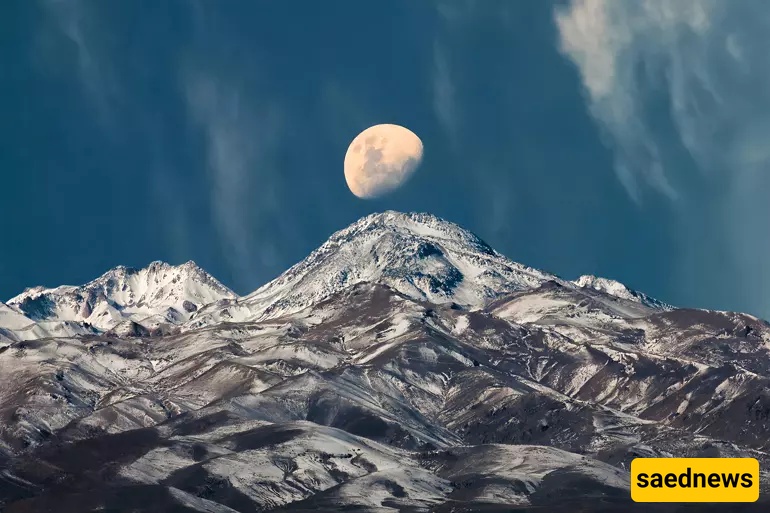
According to Saed News Tourism Service, Iran lies along major mountain belts, meaning that stunning पर्व ranges can be found across nearly every region of the country. The northern and northwestern areas are no exception, hosting many towering and captivating peaks. Among them, Mount Sabalan—known as “Savalan” in Azerbaijani Turkish—stands out as a snow-capped giant of extraordinary beauty, often compared to the mountains of Switzerland. In this article, we take a short journey to explore the unique charm of this magnificent mountain.
Before introducing Mount Sabalan in detail, it’s worth considering why it is such a popular destination for travel and recreation. First, Sabalan is the third-highest peak in Iran. Second, it features natural hot springs with remarkable therapeutic properties. Third, its pristine and diverse landscapes are truly unique. Fourth, its glaciers and permanent snowfields make it an excellent location for skiing. The Alvares Ski Resort is one of the most important attractions near Meshgin Shahr. Finally, Sabalan is a dormant volcano crowned with a stunning crater lake—one of its most extraordinary features.
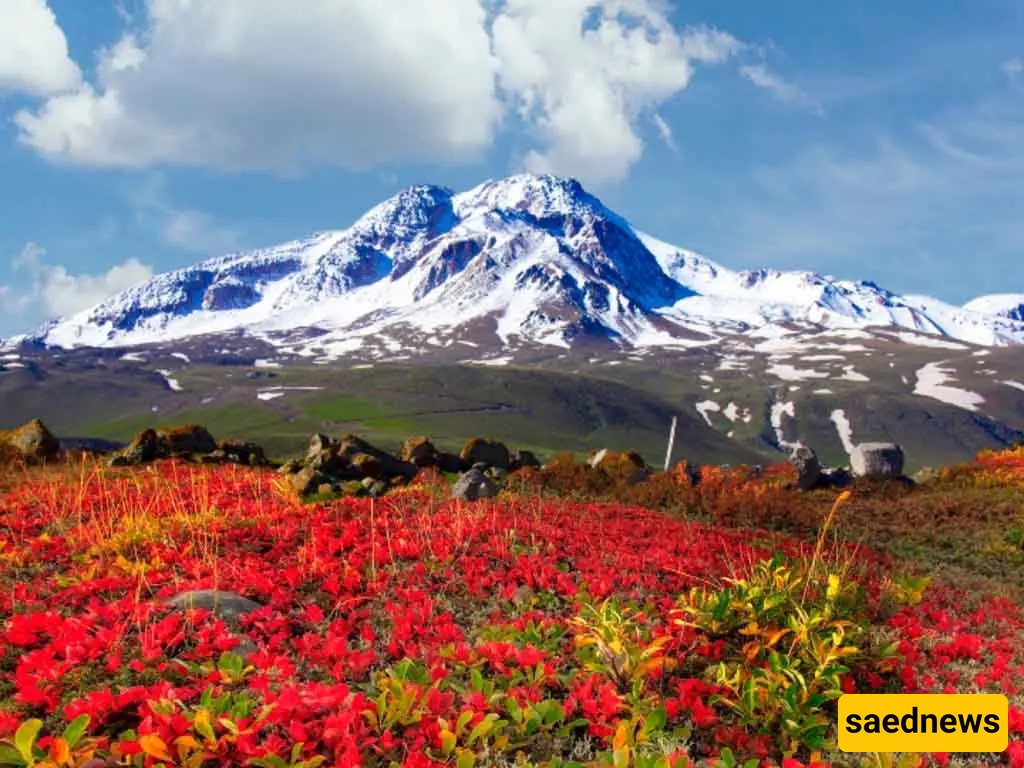
Rising to 4,811 meters, Mount Sabalan is Iran’s third-highest mountain after Mount Damavand and Alam Kuh. It offers a wide range of tourist attractions, from ski slopes and hot springs to scenic hiking trails. Sabalan was once an active volcano but has long since become dormant. The mountain is known for its cool climate and lush plains, making it a popular summer retreat.
Sabalan has three main peaks, with the highest known as Sultan Savalan. The other two are Herm and Kasra. The mountain extends from the Qareh Su Valley in northwest Ardabil to Mount Qushadagh in the west. Its stratovolcanic cone covers an area of about 1,200 square kilometers with surface lava flows.
One of Sabalan’s iconic symbols is a rock formation shaped like an eagle, facing east, located west of the Sultan peak. The mountain is often regarded as one of the most sacred in Iran. According to local beliefs, the prophet Zoroaster rests near the summit beside a lake under a large rock. Ancient texts describe Sabalan as a place where Zoroaster sought solitude. Even in Thus Spoke Zarathustra by Friedrich Nietzsche, there is a reference to Zarathustra descending from a mountain—often associated by locals with Sabalan. As a result, the mountain holds deep spiritual significance, especially among local communities and nomadic tribes.
One of the most remarkable features of Mount Sabalan is its breathtaking crater lake. Located at the summit, this oval-shaped volcanic lake sits about 25 meters below the rim of the crater and reaches a depth of approximately 40 meters. Its clear المیاه shimmer in a greenish-blue hue and are fed by melting snow.
For most of the year, the lake remains frozen due to low temperatures, thawing only in August and September. While it offers a refreshing escape from summer heat, climbing to it can be challenging due to reduced air pressure at high altitudes. The lake hosts simple life forms such as algae and small crustaceans.
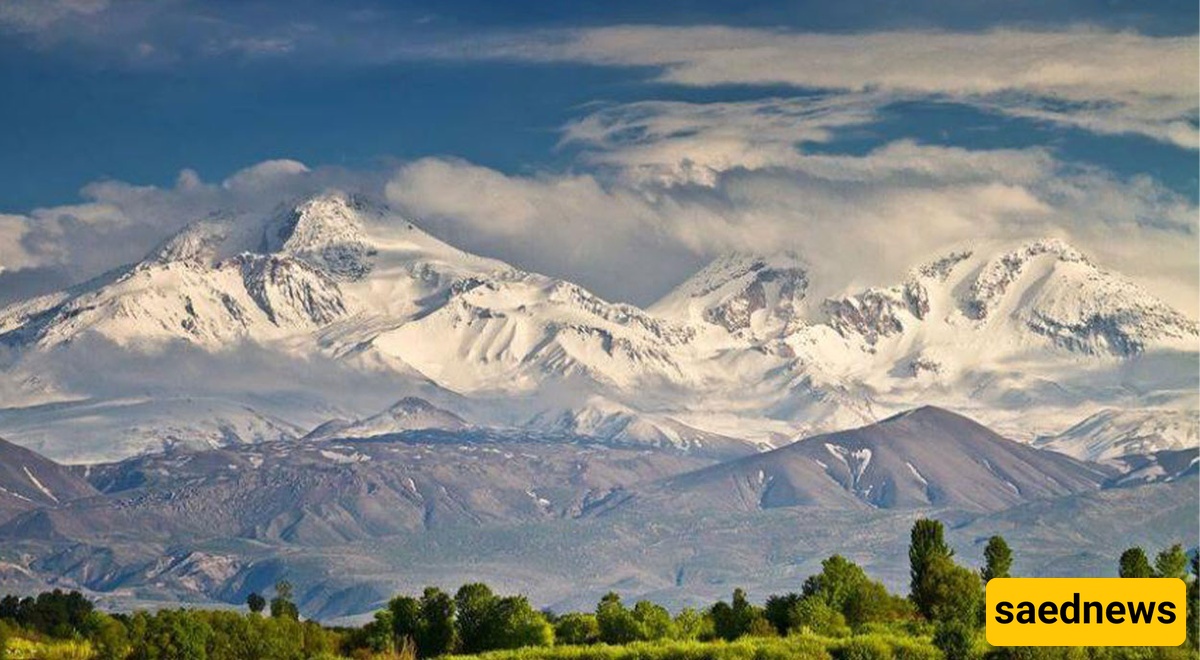
The best time for climbing Mount Sabalan is during the summer. Visitors can enjoy walking along its scenic foothills, while experienced climbers equipped with proper gear can attempt the summit. Notably, the peak of Sabalan is registered as part of Iran’s national heritage.
In addition to the crater lake, Sabalan is home to several natural hot springs. One of the most famous is Shabil Hot Spring, located along the Ardabil–Meshgin Shahr road near Lahroud. The Shabil complex offers facilities such as therapeutic baths, parking, and a restaurant. Another well-known hot spring destination in the region is Sarein.
The fertile pastures of Sabalan are among the finest in Iran, supporting a rich variety of plant life, including barberry, garlic, carnation, rose, iris, and tulip. The region also includes 11 identified wildlife habitats, home to animals such as brown bears, weasels, foxes, jackals, rabbits, vultures, and owls.
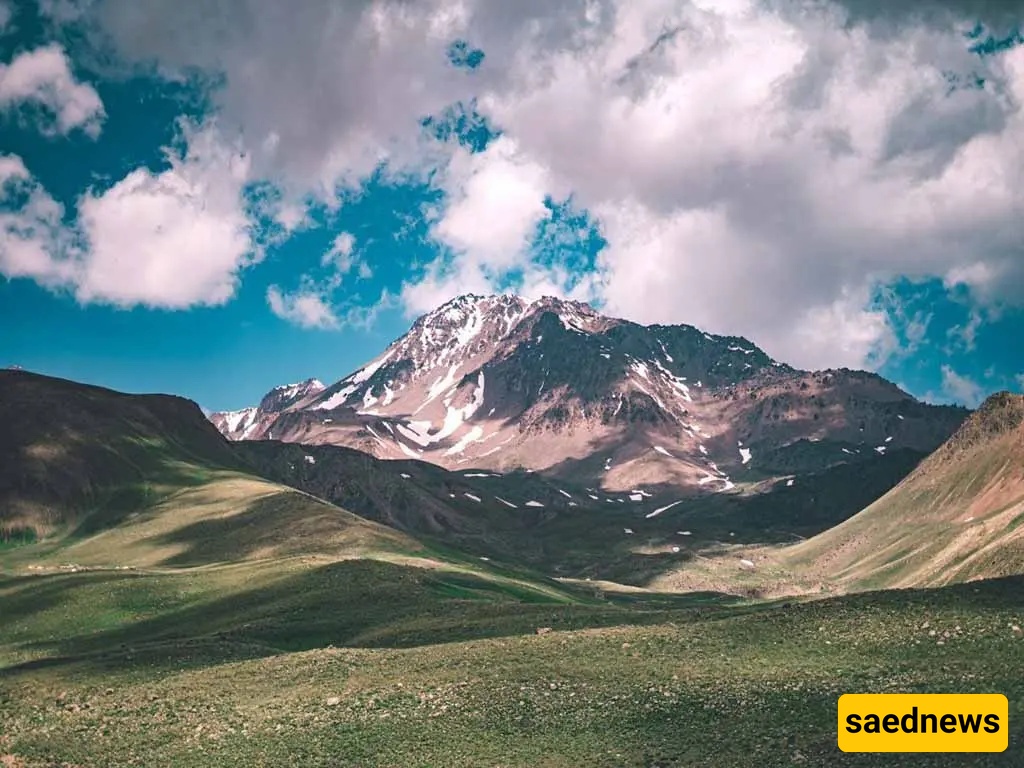
To reach Mount Sabalan, travelers should first head to Ardabil. From there, proceed northwest toward Meshgin Shahr via the Ardabil–Meshgin road, then continue to the village of Lahroud, which serves as a gateway to the mountain.
There are three main routes to the summit:
The most common route starts from Shabil Hot Spring, passing the eastern shelter (also known as the Ardabili sanctuary) and leading to the summit. Many climbers begin from the shelter at 3,600 meters and often camp near the lake overnight.
The western route begins at Qareh Gol Lake and continues to the western shelter before reaching the summit.
The southern route is the most challenging, with no shelters along the way, though it includes the Alvares Ski Resort. It is suitable for experienced climbers seeking a more demanding ascent.
Kiz Tourist Area – 52.4 km
Meshgin Shahr Suspension Bridge – 55.6 km
Shorabil Tourism Complex – 112 km
Bolaghlar Recreation Area – 144 km