SAEDNEWS: Royal icing is one of the most popular and widely used types of frosting for decorating biscuits, cookies, and cakes around the world. It is made from egg whites and powdered sugar.

According to the SaedNews cooking section:
Egg whites: 60 g
Powdered sugar: 150 g
Cream of tartar powder: 1/4 teaspoon
Lemon juice: a very small amount (a few drops)
Flavoring or vanilla extract: a few drops
First, separate the egg whites and beat them on medium speed until they become slightly foamy.
Then add the powdered sugar, cream of tartar, and vanilla or flavoring, and mix again on medium speed.
Finally, add the lemon juice and mix once more.
At this stage, divide the royal icing into desired colors, place it into piping bags, and use it as needed.
Lemon juice is used to give the icing a glossy finish.
Royal icing is the most popular and well-known coating used for decorating biscuits. It is made from egg whites and powdered sugar. Fortunately, raw egg whites—which may pose health risks—can be replaced with meringue powder, which is made from dried egg whites combined with stabilizers and is safe to use.
Although its main use is decorating biscuits, royal icing is also used as:
A glue for cookies
A cake topping sauce
A decorative medium for detailed sugar dough work
The British and French royal families played a major role in the development and expansion of pastry arts. For them, elaborate and luxurious dessert tables were very important, which pushed chefs to create new recipes.
Royal icing was developed for Queen Victoria’s wedding cake. The selected cake was so large and elaborate that preparation had to begin days in advance. At that time, dried fruits soaked in liquid were used in royal cakes, which could spoil.
The queen’s French chef sought a solution to prevent spoilage while allowing early preparation. Knowing that powdered sugar is stable and that a full icing coating prevents air from reaching the cake, he created royal icing.
Because it was first used for a British royal wedding cake, it became known as “Royal Icing.”
Before its invention, decorations such as sugar icing, buttercream, and fondant were commonly used, but after royal icing was introduced, their usage significantly decreased.
Compared to sugar icing:
Sugar icing takes a long time to dry (2–3 days), while royal icing dries quickly due to egg whites.
Compared to buttercream:
Buttercream is soft and unstable at room temperature, while royal icing is durable and long-lasting.
Compared to fondant:
Fondant is difficult to control for detailed work, while royal icing has adjustable consistency, allowing precise designs.
The only drawback of royal icing is its taste—it is extremely sweet and is used only for decoration, not flavor.
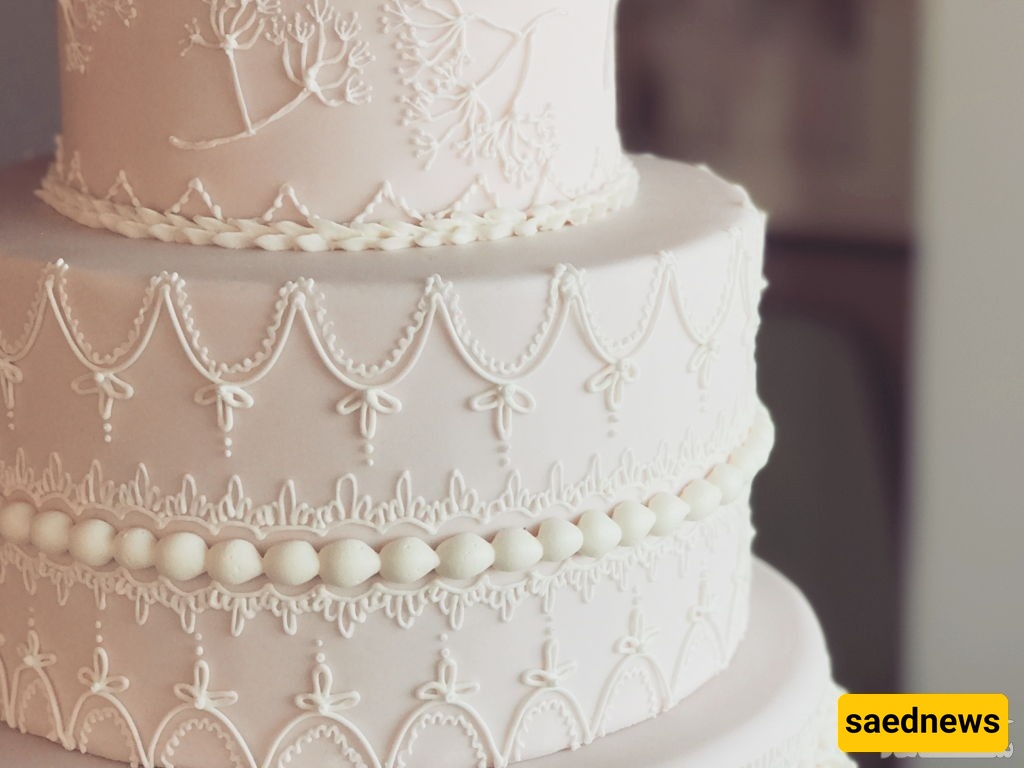
Royal icing is adjusted by adding powdered sugar (to thicken) or water (to thin). Choosing the correct consistency requires practice. There are three main types:
Very thick, like toothpaste. Used for:
Sugar flowers
Sugar fruits
Raised decorative designs
It dries quickly and is ideal for structured work. A “20-second rule” is used: if you draw a line through it, it should disappear after about 20 seconds.
Slightly soft but not runny. It does not spread on biscuits. Used for:
Outlining cookies
Writing and detailed piping
A “10-second rule” applies: the line should disappear after about 10 seconds.
The thinnest type, similar to syrup or shampoo. Used for filling cookie surfaces.
A “less than 10-second rule” applies: lines should disappear very quickly.
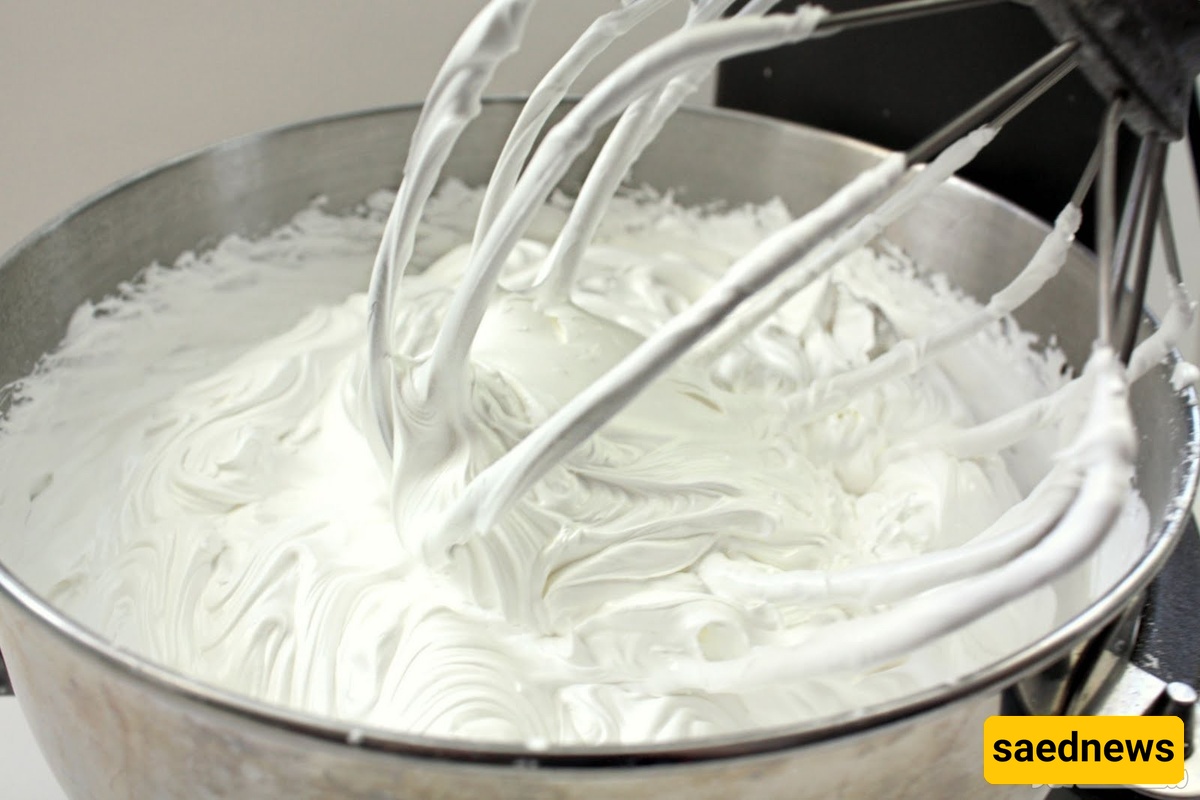
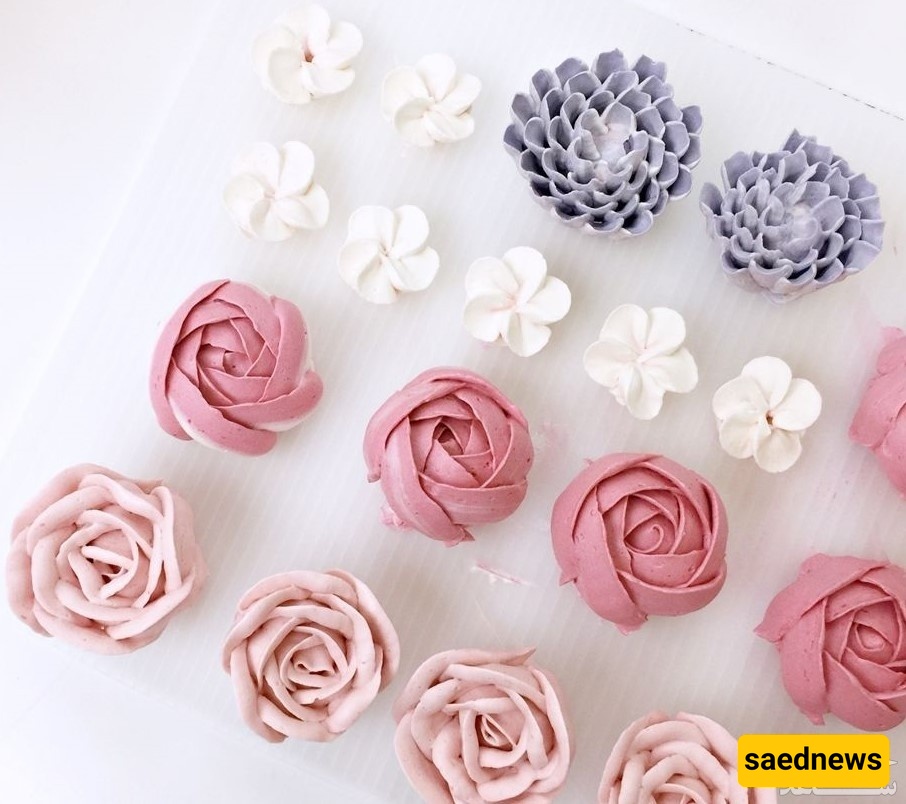

Always sift powdered sugar twice to avoid lumps and ensure smooth piping.
Ensure all bowls and tools are completely clean and grease-free.
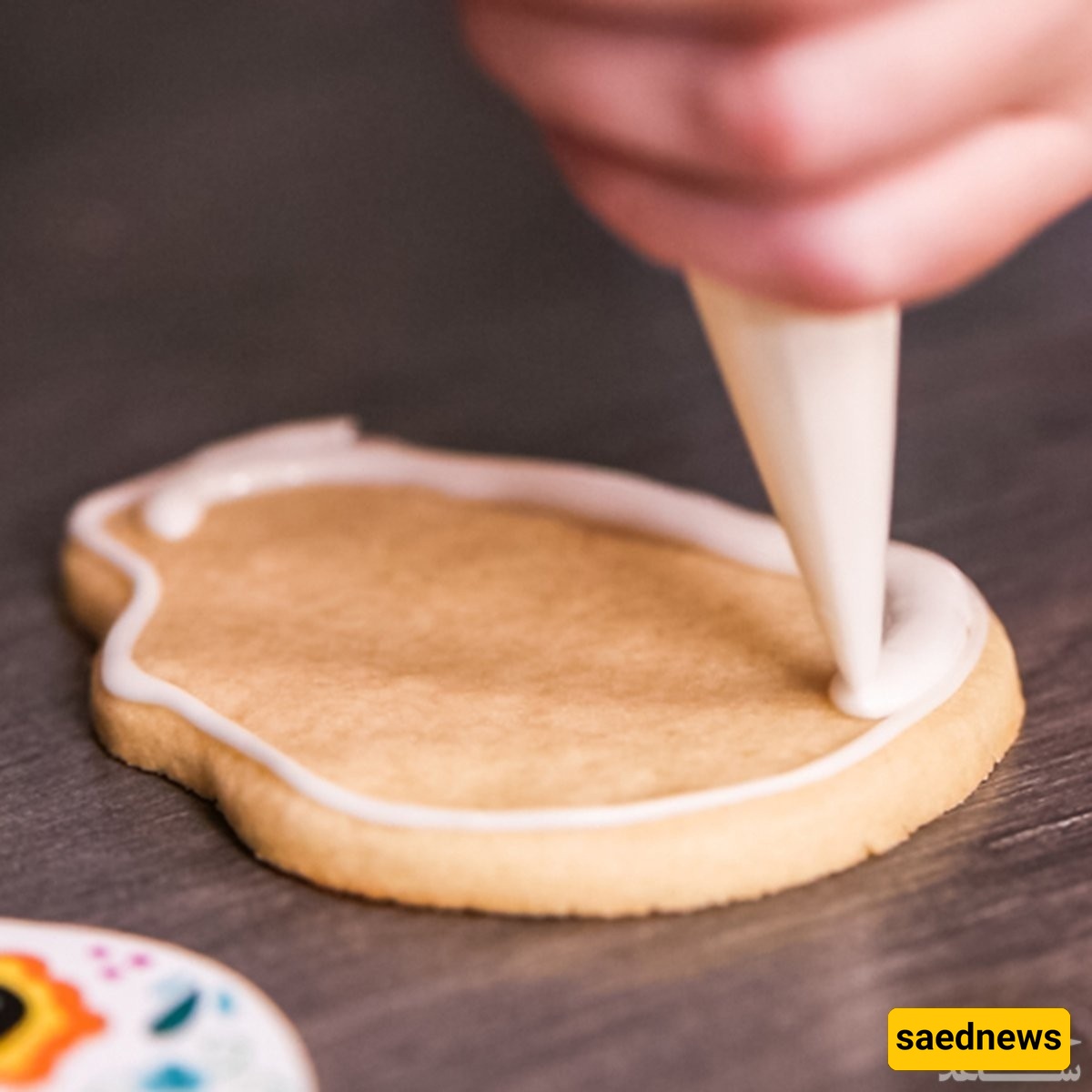
Do not whip at high speed to avoid air bubbles; mix gently in one direction.
Keep piping bags slightly above the cookie for cleaner lines.
If icing becomes too thin, add powdered sugar to thicken it.
Use gel food coloring to avoid changing consistency.
Allow each layer to dry for about 30 minutes before adding the next.
Remove air bubbles with a toothpick after flooding cookies.
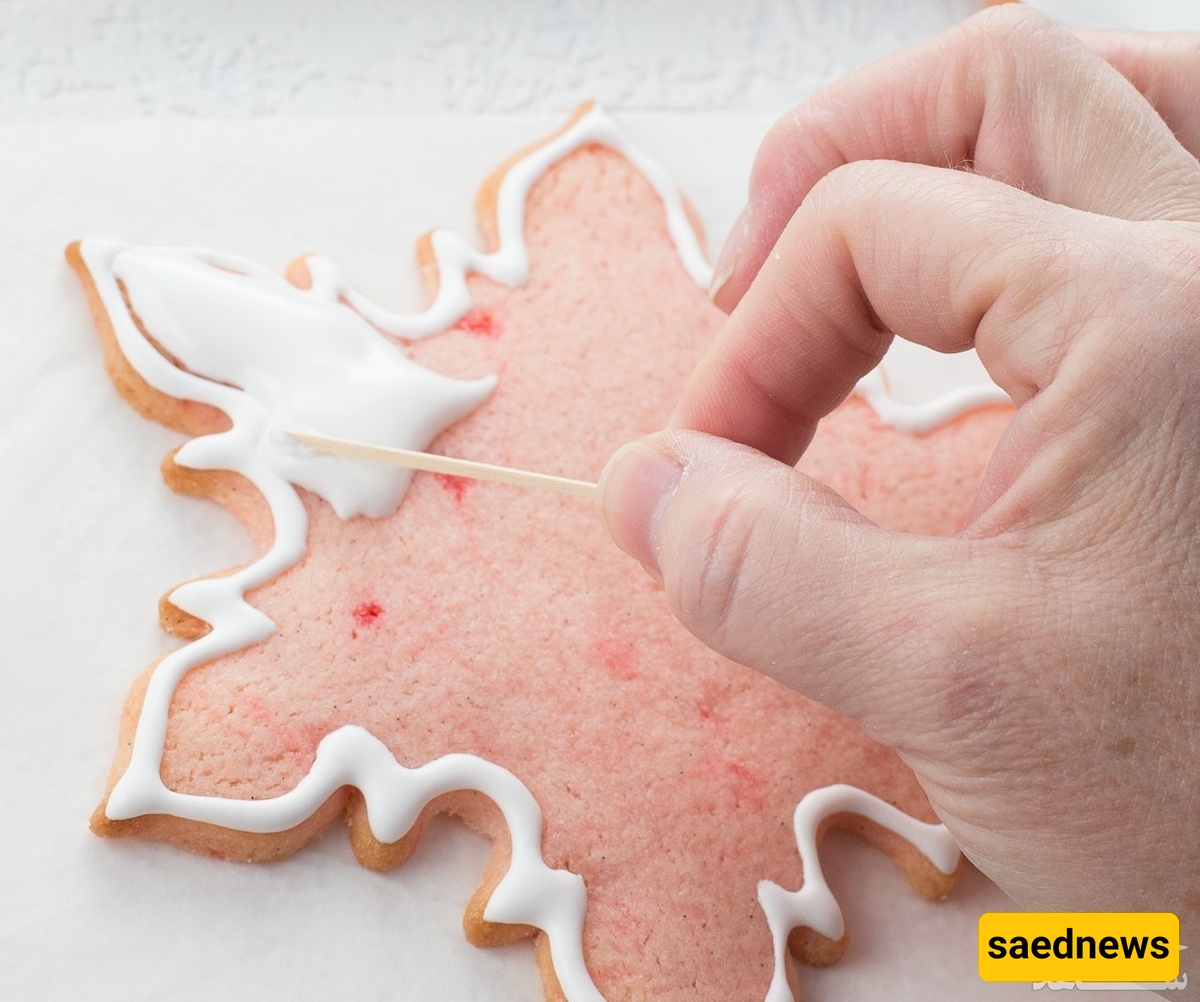
In humid or hot environments, use cooling or ventilation, as humidity prevents drying.
Fill piping bags carefully and cover tips with a damp cloth to prevent drying.
Let decorated cookies dry for 6–24 hours at room temperature.
Do not cover or refrigerate decorated cookies during drying.
Packaging should only be done after 24 hours.
Use appropriate piping tips depending on design detail level.