SAEDNEWS: Visiting the world’s legendary mosques offers a chance to discover the beauty of Islamic architecture and their unparalleled artistry, deeply rooted in the history of each land. These mosques are not only places of worship but also astonishing works of art and symbols of the grandeur and splendor of Islamic culture.
According to the Saed News Tourism Service, mosques, beyond their primary role as places of worship, are symbols of Islamic art, history, and culture in each region. As Islam spread over the centuries and absorbed various architectural styles, mosques in different areas were built with unique forms and features. The artistic combination of Islamic traditions with local architecture and culture has turned mosques into breathtaking landmarks.
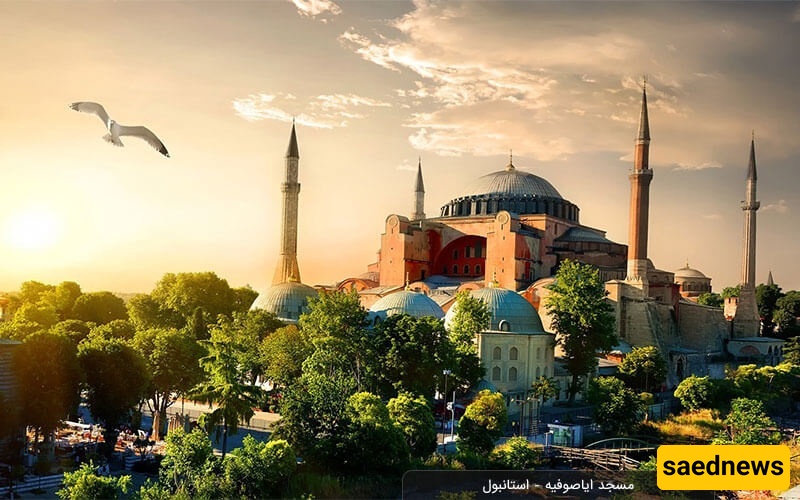
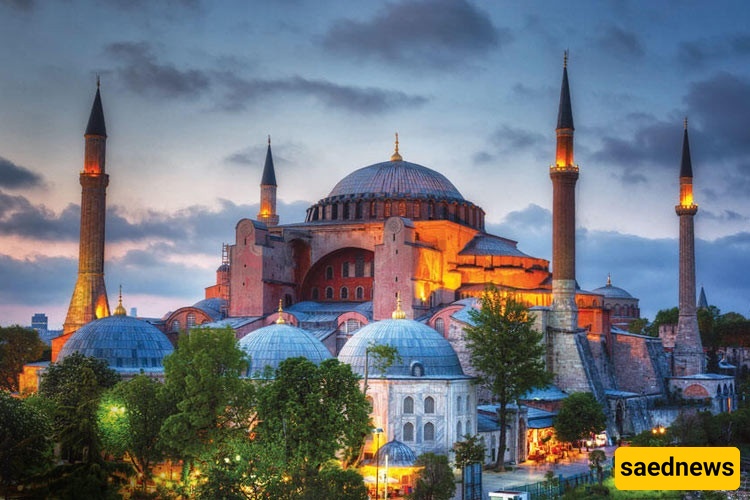
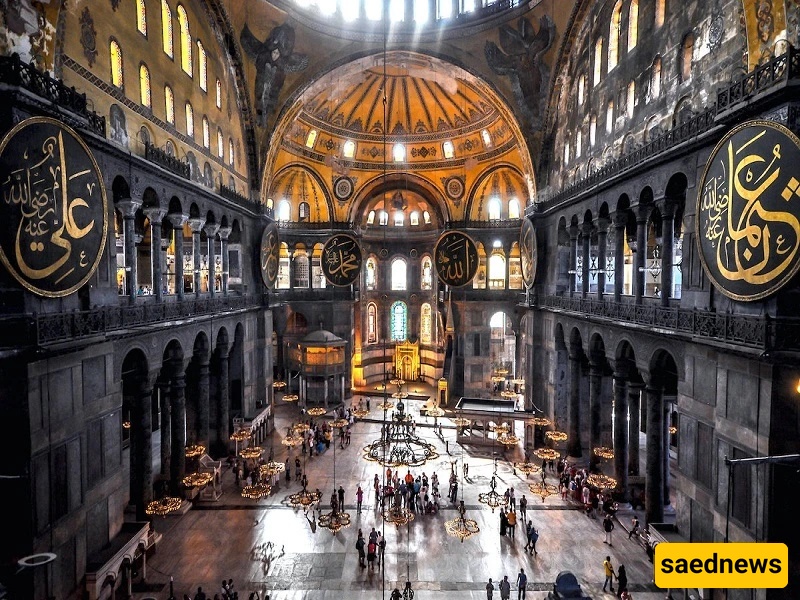
Hagia Sophia, located in Istanbul’s Sultanahmet district, is one of the world’s most beautiful historic buildings. Its origins date back to 360 CE when Emperor Constantius commissioned its first structure. During this period, it served as a central religious site and a coronation venue for Byzantine emperors. The most significant transformation occurred in 1453 when Sultan Mehmed the Conqueror converted it into a mosque after capturing Constantinople, adding Islamic architectural elements such as minarets, a mihrab, and a pulpit. Today, Hagia Sophia is one of Istanbul’s most important historical and tourist attractions.
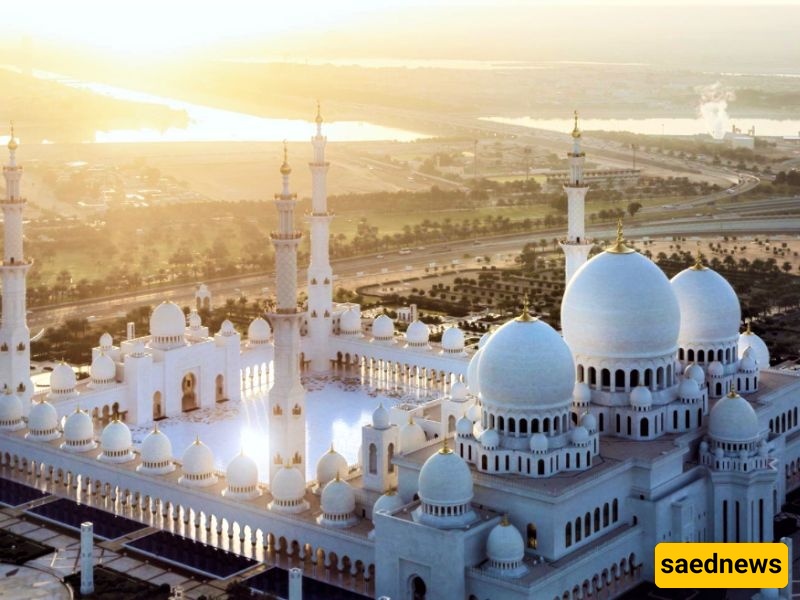
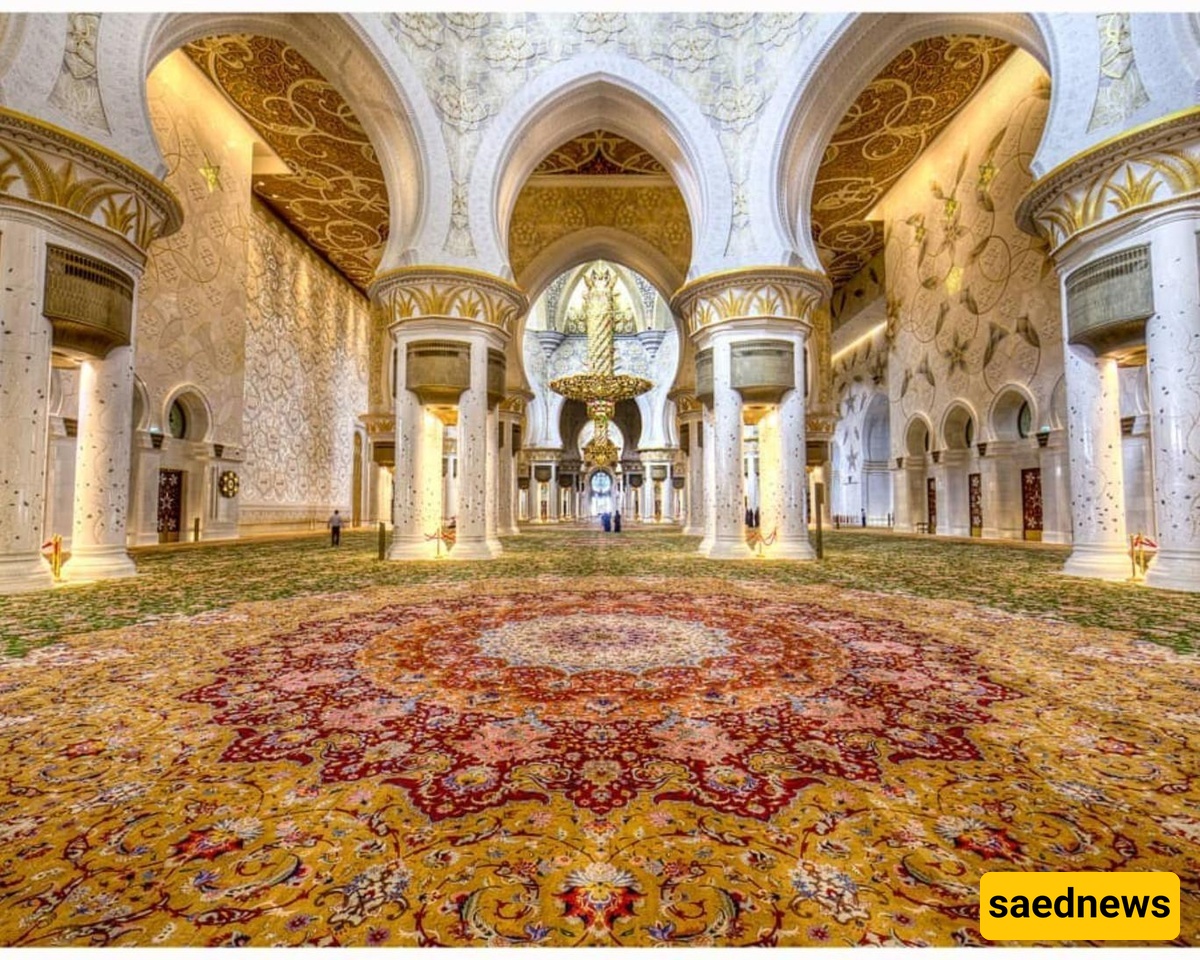
The Sheikh Zayed Grand Mosque is one of the most magnificent mosques in the world and a key cultural symbol of the United Arab Emirates. Located in Abu Dhabi, it attracts millions of visitors annually. The project was initiated by Sheikh Zayed bin Sultan Al Nahyan, who envisioned a monument representing peace, coexistence, and cultural unity within the Islamic world. Construction began in 1996 and concluded in 2007. The mosque features 82 domes of varying sizes, with the largest positioned at the center of the main prayer hall.
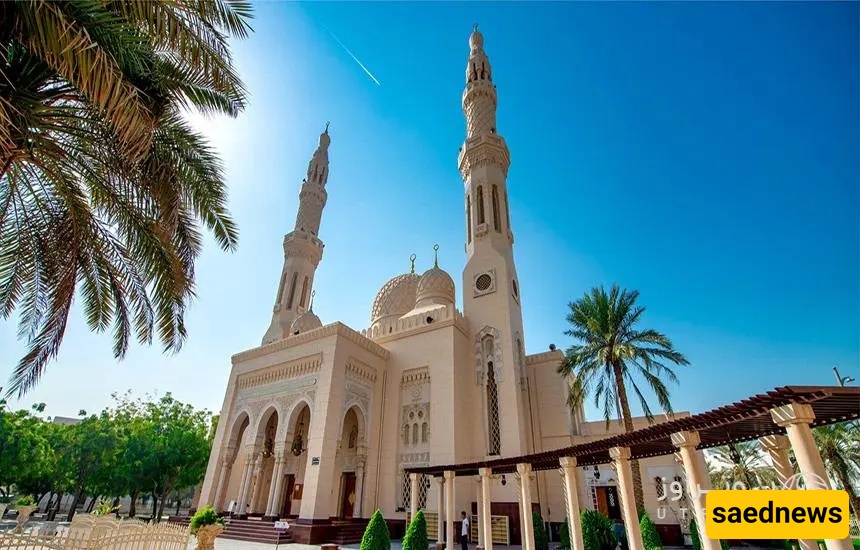
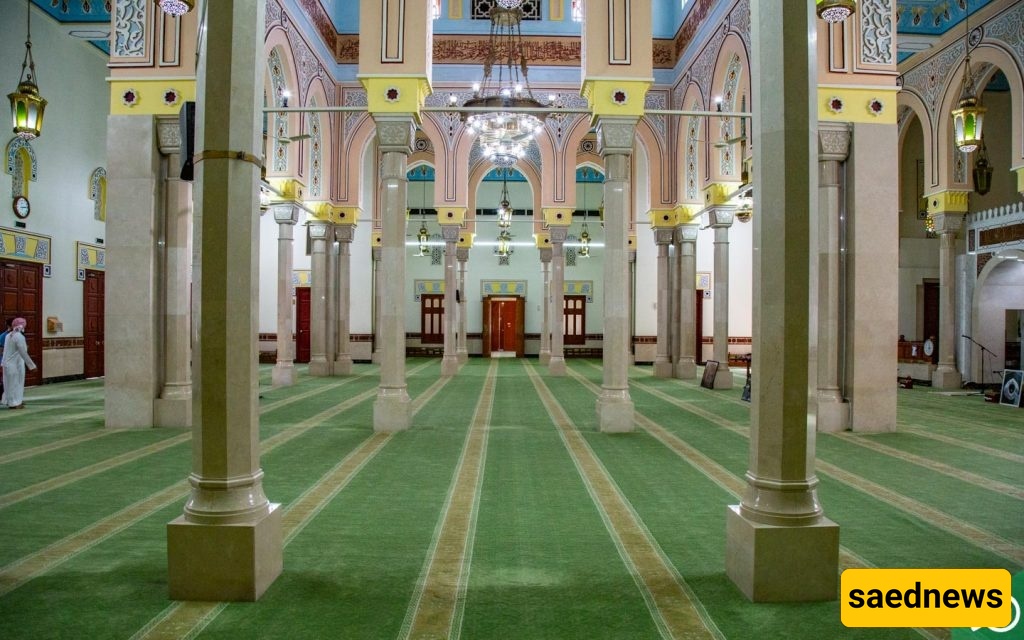
Jumeirah Mosque is a Dubai landmark renowned for its striking design. Construction began in 1976 under Sheikh Rashid bin Saeed Al Maktoum and took approximately three years to complete, finishing in 1979. The main dome sits at the center of the structure, flanked by two tall minarets that give the mosque a majestic presence. Inside, the prayer hall features elegant columns and arches, creating a serene and contemplative space for worshippers.
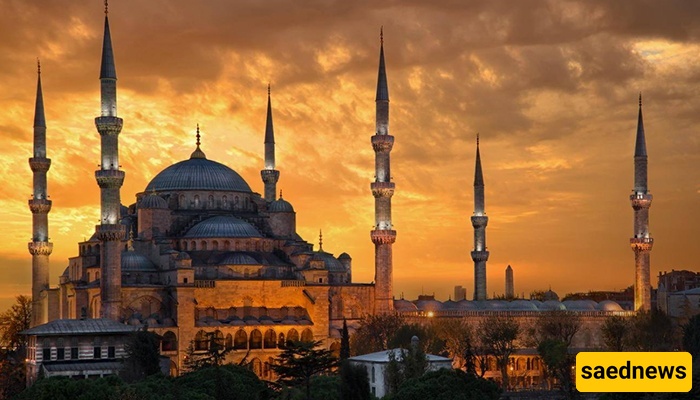
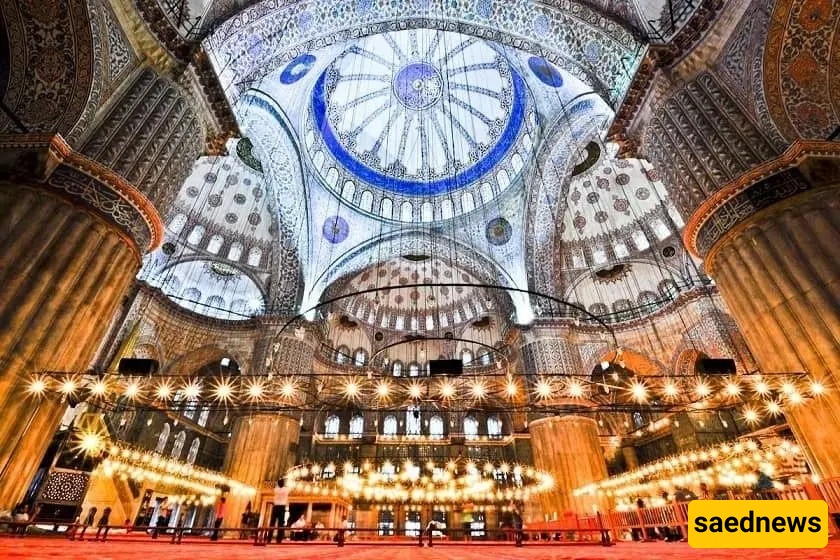
Built between 1610 and 1616 by order of Sultan Ahmed I, the Sultan Ahmed Mosque—commonly known as the Blue Mosque—is one of Istanbul’s most iconic historic buildings. Sultan Ahmed ascended to the throne at age 14 and sought to leave a lasting legacy. Originally, the mosque was part of a larger complex including a school, bathhouse, guesthouse, and other facilities, many of which have disappeared over time, yet the main mosque building still retains its original grandeur.
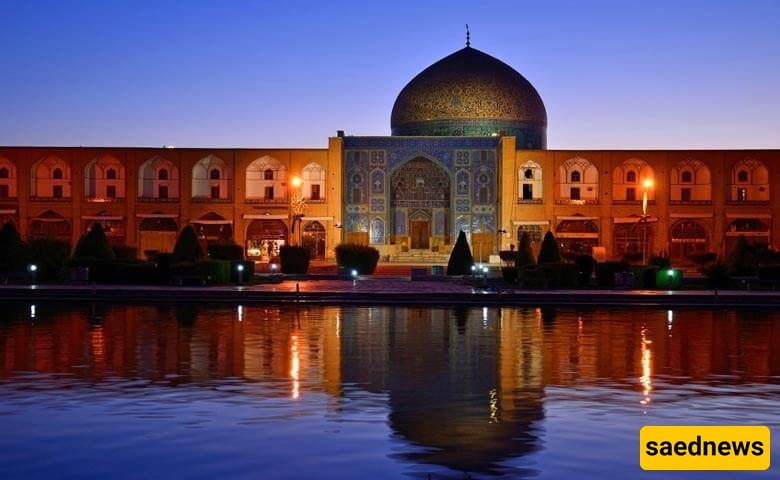
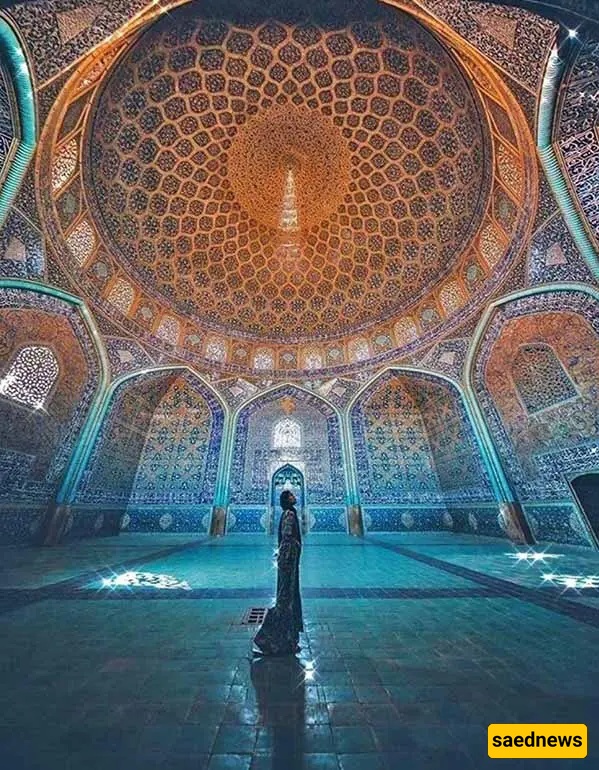
Located on the eastern side of Isfahan’s Naqsh-e Jahan Square, Sheikh Lotfollah Mosque is one of Iran’s most significant historic sites and a highlight of Safavid architecture. Commissioned by Shah Abbas I in 1011 AH, it was completed in 1028 AH after 18 years of construction. Notably, the mosque has no minarets or courtyard, reflecting its private nature. Its intricate tilework in shades of lapis lazuli and turquoise, combined with geometric patterns, creates a visually stunning experience.
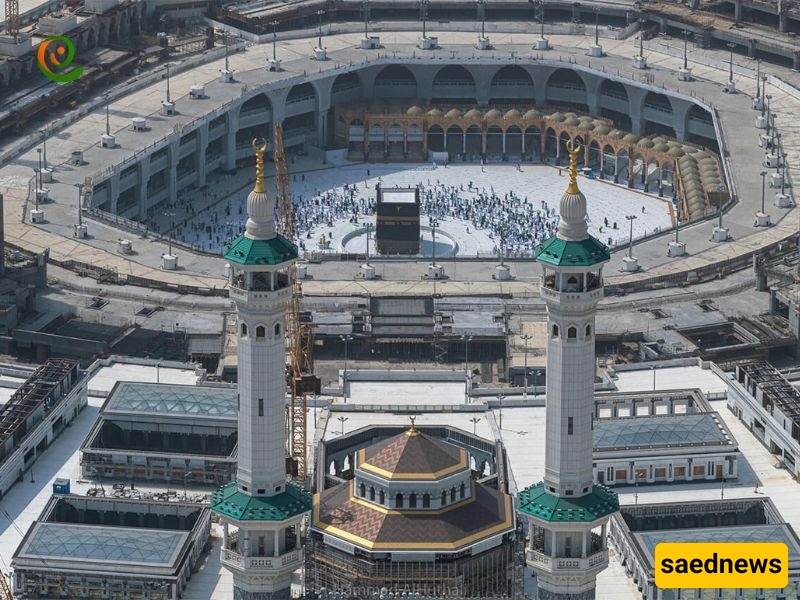
Al-Masjid al-Haram, at the heart of the holy city of Mecca, is the most sacred mosque in Islam. Its origins trace back to Prophet Abraham (peace be upon him) and his son Ishmael, who are believed to have built the Kaaba as a house of worship for the one God. Over time, as the Muslim population grew, the mosque expanded into a vast structure capable of accommodating millions of pilgrims.
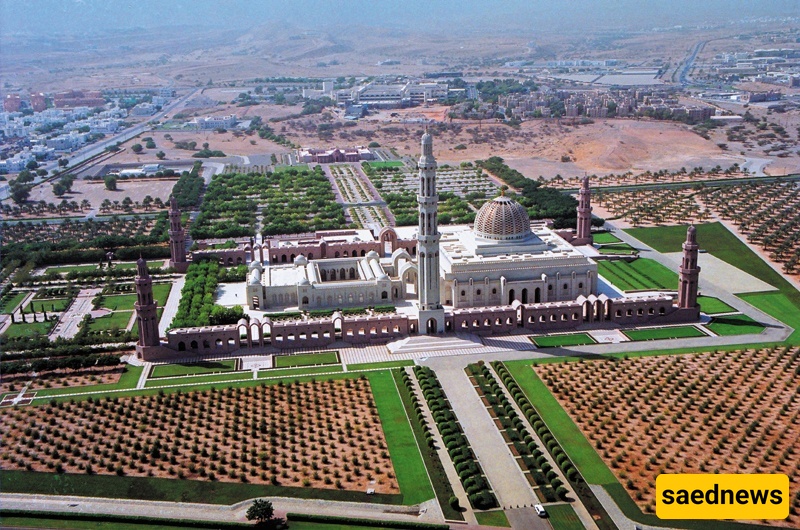
Commissioned by Sultan Qaboos bin Said Al Said in 1992, the Sultan Qaboos Grand Mosque in Oman is a remarkable example of Islamic architecture. It features five minarets: a central minaret 90 meters tall and four smaller ones at 45.5 meters. The main dome rises 50 meters above the prayer hall, which can host 6,500 worshippers, while the expansive courtyard and external area can accommodate tens of thousands.
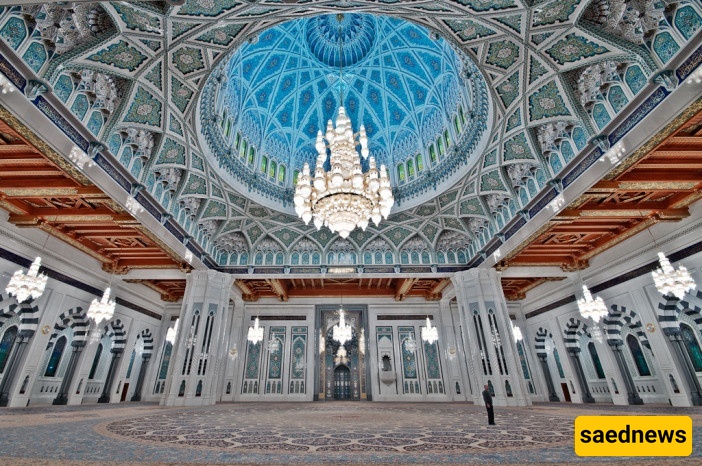
Grand mosques in Islamic countries are more than places of worship—they are mirrors of history, culture, and art. Each mosque, with its distinctive architecture, tells the story of the region’s cultural identity. Artistic decorations, intricate tilework, soaring minarets, and majestic domes display the skill and creativity of local artisans. Visiting these mosques allows guests to immerse themselves in a spiritual, serene space while appreciating the rich architectural and cultural heritage of Islamic societies.
Exploring historic and beautiful mosques is more than sightseeing—it is an encounter with the art, history, and cultural essence of Islamic communities. Every mosque, with its architectural details and spiritual atmosphere, offers a window into the past and the identity of its people. Witnessing grand domes, lofty minarets, and exquisite tilework creates an unforgettable experience for every visitor.