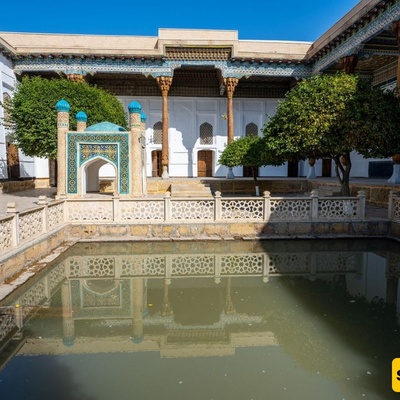
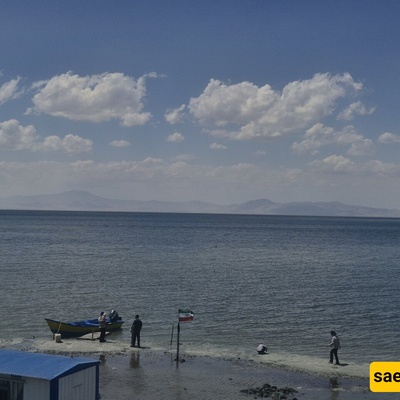
SAEDNEWS: Thanks to international air travel, there are very few places in the world we can’t reach with the proper documentation. However, certain regions on Earth have imposed restrictions that completely ban aircraft from entering.

According to Saed News, citing Fararu, one of the most exciting experiences for travelers is seeing different locations from the sky. For this reason, many passenger airlines try to adjust their routes to fly over scenic areas to delight passengers. This is separate from special flights dedicated solely to sightseeing, which many commercial airlines also offer. However, some regions have imposed restrictions on commercial flights over their airspace, and the travel website SimpleFlying has highlighted these areas in a report.
Thanks to international air travel, there are very few places in the world that we cannot access with proper documentation. Yet, some regions on Earth have established restrictions that prohibit airplane access. This means no commercial aircraft can fly over these areas due to political, religious, historical, or environmental reasons. Here are five locations that passenger airplanes are generally not allowed to fly over.
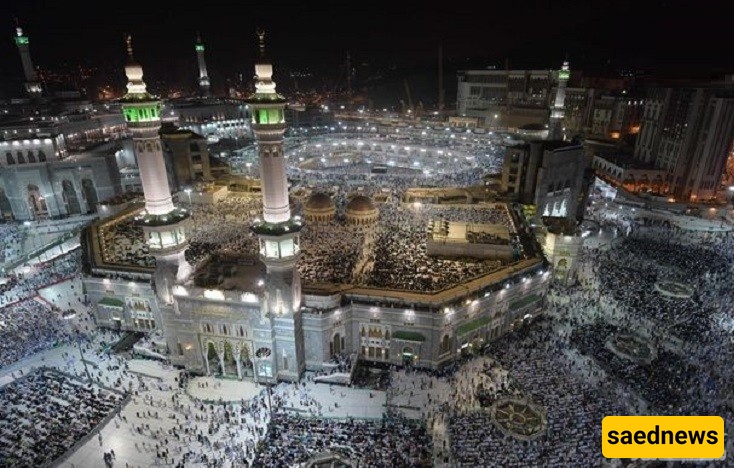
Passenger planes cannot fly over the holy city of Mecca. This sacred location could provide a spectacular aerial view, especially if a plane is traveling, for example, from the east or from Saudi Arabia’s capital, Riyadh, to Jeddah.
Airlines are prohibited from entering Mecca’s airspace, particularly over the Kaaba. These restrictions stem from Islamic law, as non-Muslims are not allowed to travel to Mecca. The city serves as a central site for religious rituals and the Hajj pilgrimage. This law is strictly enforced to preserve Mecca for the Muslim population; non-Muslims can face fines or expulsion if they enter Mecca. The penalties also apply to anyone attempting to fly over the city. Passenger planes must respect this restriction as a sign of reverence for the sacred site.

Recent attempts to establish air transport in Peru have sparked public debate. The ongoing construction of Chinchero Airport has faced opposition from historians and environmentalists. Why? Because the fragile ecology and the significance of the Incan ruins at Machu Picchu make a new airport one of the last things this area needs.
Planes are not allowed to fly over Machu Picchu, not only due to its cultural importance but also to protect its delicate natural balance. Commercial flights pose risks, such as potential crashes or emergency landings, which could severely damage the ecosystem. Additionally, increased air pollution could harm the region’s natural habitats.

Similar to Machu Picchu, passenger airplanes face restrictions when flying over the Parthenon in Athens. The aim is to protect this remarkable historical monument. While planes may fly over the site, they must maintain a safe distance. In fact, no aircraft is allowed to fly below 5,000 feet when passing over the Parthenon.
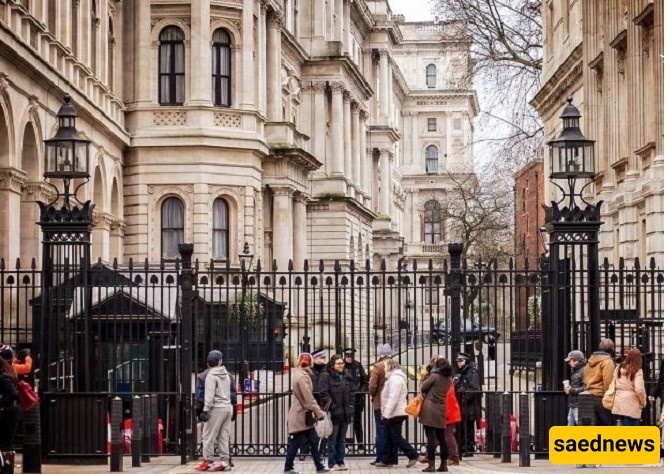
Downing Street in the United Kingdom is one of the most politically significant streets in the country, housing the Prime Minister’s office. Access to this area requires special permissions, and to protect such high-profile political figures, planes are not allowed to fly directly overhead.
This no-fly restriction also applies to the UK Parliament buildings, Buckingham Palace, and Windsor Castle. Similar restricted zones exist in most countries to safeguard political and governmental institutions.

Many locations worldwide impose flight restrictions to ensure visitor safety. For example, following the September 11 attacks in the United States, several popular tourist destinations increased security and restricted airspace either permanently or at specific times.
In 2003, temporary no-fly zones over Disneyland parks in the U.S. were made permanent. This means no plane may fly below 3,000 feet over Walt Disney World in Florida or Disneyland in California. While such restrictions rarely concern commercial flights, which usually operate at much higher altitudes, similar rules also protect large stadiums and sports arenas hosting more than 30,000 visitors from potential aerial threats. Many other U.S. sports venues follow similar safety measures.