SAEDNEWS: There are many things in nature that you may not have known are consumed as food by humans.
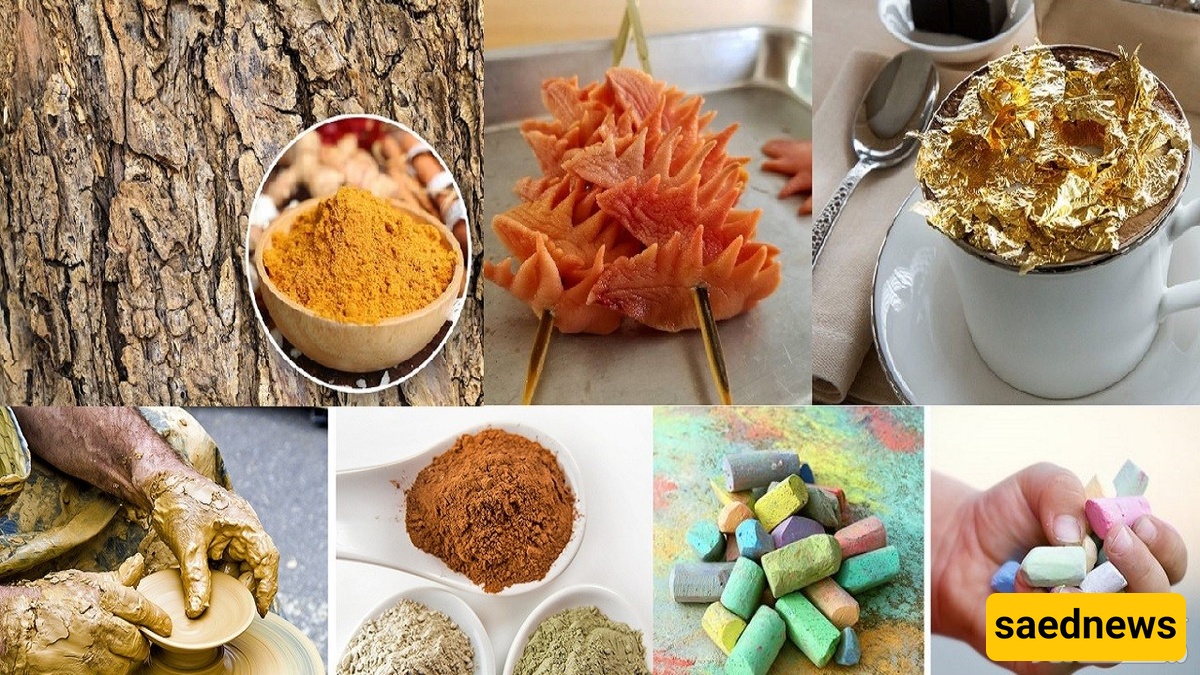
There are many things in nature that you might never have imagined humans consume as food. Some of these unusual items have been part of traditional diets in different cultures for centuries—and many are still popular today.
Here are some of the strangest foods you may be surprised to learn people eat:
Tree Bark
Tree bark has been used as a food source since ancient times. One of the most common edible products derived from bark is cinnamon. In fact, flour can be made from the inner layer of bark from certain trees and used as a substitute for regular flour in cooking.
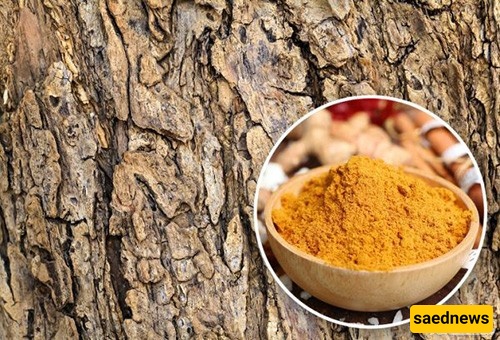
The inner layer of bark is called cambium. Research suggests that pine bark, in particular, offers several health benefits. It may help lower glucose levels, strengthen the immune system, improve the body’s absorption of vitamin C, and protect the skin from ultraviolet radiation.
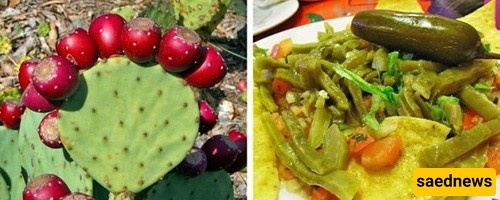
Cactus
Cactus is the kind of plant most people try to avoid, yet eating it can be surprisingly appealing. A quick search online reveals many recipes that include cactus as an ingredient, especially in certain regional cuisines.
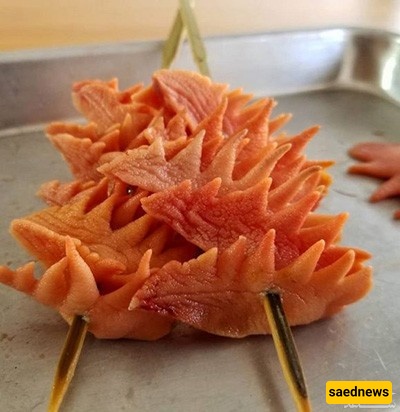
Cockscomb (Rooster Comb)
Rooster comb is considered a delicacy in countries like France and Japan. It is also believed to have benefits for joint health and is sometimes used in the treatment of knee osteoarthritis.
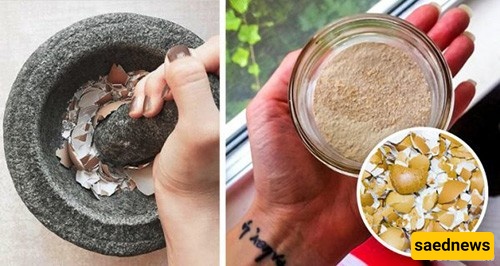
Eggshells
Eggshells are commonly used as plant fertilizer, but they are also consumed as a calcium supplement due to their high mineral content. Before consumption, they must be boiled at high temperatures and finely ground. However, it’s worth noting that eggs may contain trace contaminants, so proper preparation is essential.
Leather
In some countries, animal hides are processed and eaten. For example, “ponmo” is cow skin prepared and consumed with meat in Nigeria. Despite its popularity, studies suggest it has little to no nutritional value.

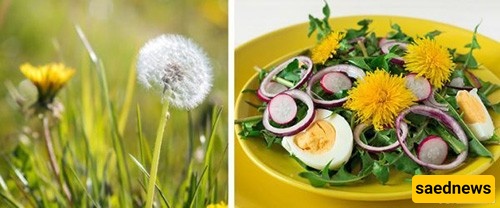
Dandelion
Among these unusual foods, dandelion is one of the healthiest. It is rich in antioxidants, vitamins C, A, and K, and is a good source of potassium and iron. It has also been used as a medicinal plant in many cultures.
Gold
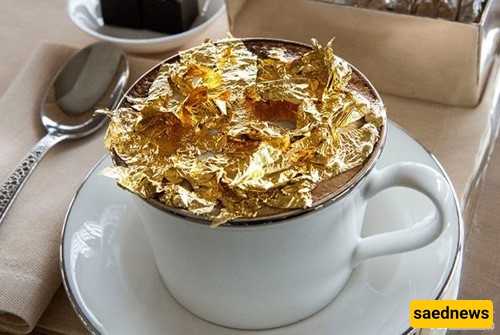
Gold is biologically inert, meaning it does not react chemically and passes through the digestive system without being absorbed. This is why it is sometimes used as a decorative element in high-end dishes. Edible gold must be 24-karat; lower-purity gold contains impurities and is not safe to consume.
Clay
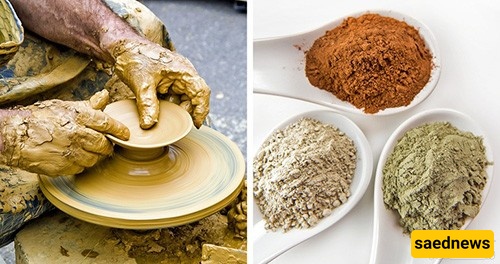
Clay is widely known for its use in beauty products like face masks, but in some cultures—particularly in parts of Africa and the Middle East—it is also eaten. People with zinc deficiencies may even take clay tablets. Clay is believed to help detoxify the intestines and support digestive health.
Chalk
Chalk is a natural, non-toxic substance composed mainly of calcium carbonate. While it offers no real nutritional benefits, it is not considered harmful in small amounts. The craving to eat chalk is more common among pregnant women and individuals with iron deficiency.

Bird’s Nest
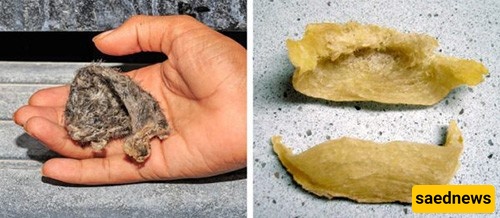
Bird’s nest is a prized delicacy in Chinese cuisine due to its unique taste and high nutritional value. It is made from the saliva of cave-dwelling birds called swiftlets, found in Southeast Asia. Because harvesting these nests is difficult and risky, they are quite expensive. Bird’s nest is rich in protein, amino acids, and anti-inflammatory compounds, and is often used to make a luxurious soup.