SAEDNEWS: Vomiting after milk is usually normal in infants due to reflux. But if it comes with weight loss, frequent coughing, or breathing issues, it may indicate a serious problem. Parents recognizing the signs is essential for proper care.
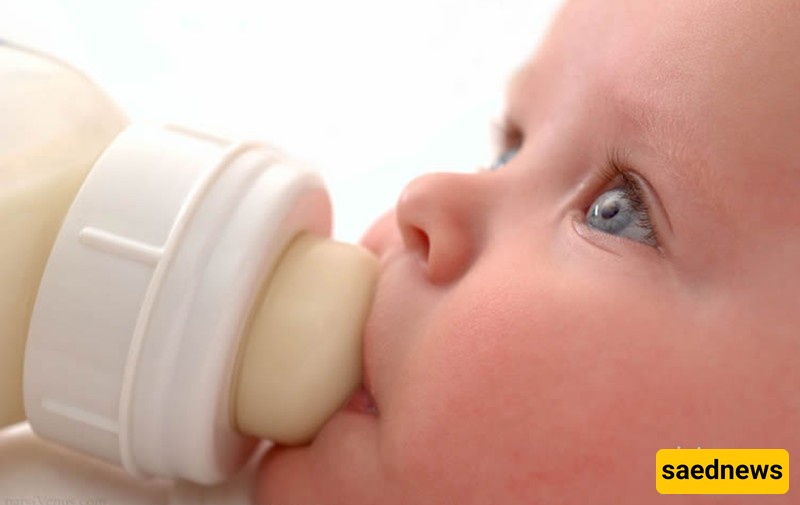
Every new mother knows that nothing compares to holding and feeding her newborn. Yet, many first-time mothers lack the experience to recognize what’s typical and what may be a cause for concern in their baby’s behavior.
One of the most common issues among infants is spitting up after feeding. Some parents panic when this happens and rush to the doctor for a solution, while others assume it is completely normal. But how can you tell the difference? Is this spit-up a sign of illness, or just a natural part of infancy? We consulted Dr. Parisa Zighami, a pediatrician specializing in newborns and infants, for insight.
The primary cause of infant spit-up is an immature esophagus. At the junction between the esophagus and the stomach is a valve called the sphincter. Unlike in adults, this valve in infants is very loose, so it does not fully close after feeding. This allows milk to flow back from the stomach into the esophagus and even to the throat—a condition known as physiological reflux.
Spit-up usually peaks around four months of age and often resolves by 12 months, though it can persist up to 24 months. If it continues beyond this, further medical evaluation is necessary.
Spit-up often occurs because of overfeeding. Many parents feed their child at the first sign of crying, unintentionally encouraging the baby to overeat. While feeding on demand is recommended, spacing feeds by 2.5 to 3 hours can help manage frequent spit-ups. If the child is growing normally, receiving adequate nutrition, and showing no signs of distress, there is usually no need for medication or testing.
A mother’s diet can sometimes trigger allergies or prolonged reflux in the baby. For example, when a mother consumes milk or dairy, some components can pass into her breast milk and provoke a reaction if the baby is sensitive. Complete elimination of dairy is not usually necessary; temporary adjustments or substitutions can suffice. In severe cases, hypoallergenic formulas may be recommended. Nursing mothers should also avoid gas-producing or highly irritating foods.
Do not force-feed your child. Overeating can become a habit, eventually leading to obesity. For children older than one year, forced feeding may have negative psychological effects, as the child is developing a sense of independence and may resist mealtime.
Chronic coughs can be a sign of food sensitivities or reflux. In such cases, identifying and eliminating the trigger can help manage spit-up. Some infants may cough frequently due to reflux rather than a respiratory illness. Treating the cough often resolves the reflux as well.
Sleep position can significantly affect spit-up. Most mothers place their infants on their backs, which is correct for reducing the risk of sudden infant death syndrome. However, after feeding, while the baby is awake and under supervision, placing them on their stomach or on the left side with a thin pillow under the head can help prevent reflux.
Normal spit-up does not cause weight loss or poor appetite, and milk may come up in a curd-like form. Pathological reflux, on the other hand, is frequent, chronic, non-curd-like, and may be accompanied by wheezing, shortness of breath, poor weight gain, or prolonged coughing.
Infants often swallow air while feeding, which can cause bloating and worsen reflux. To help minimize this:
After feeding, hold your baby upright with their head on your shoulder and gently pat their back to release swallowed air. A small amount of milk may come up, so keep a cloth handy.
Within two minutes after feeding, help your baby burp two to three times. Avoid placing the baby on their back immediately, as this can make it harder for trapped air to escape. Supervised upright or prone positioning can be effective.
With careful feeding, attention to maternal diet, and proper sleep positions, most infants’ spit-up is harmless and gradually resolves on its own.