SAEDNEWS: Say goodbye to wilted, throwaway lettuce! This complete guide shows you the best ways to keep lettuce fresh in the fridge for up to a month. From essential tips on washing and drying properly to using paper towels and specialized containers, everything you need to enjoy crisp, fresh lettuce anytime is covered here.
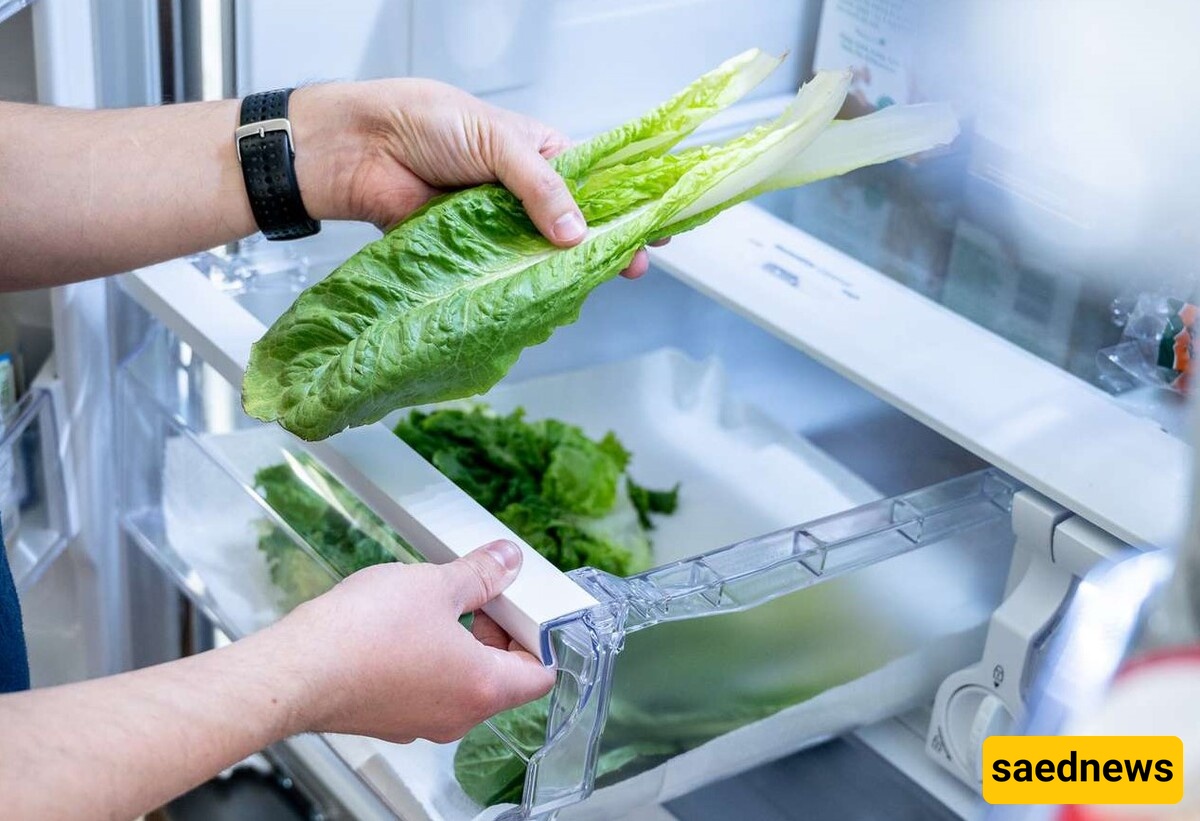
According to the housekeeping service of Saed News, lettuce—a staple in many salads and sandwiches—is one of the most popular vegetables worldwide. However, its biggest challenge is its short shelf life. We’ve all faced the unpleasant experience of opening the fridge to find wilted, slimy, or brown leaves. Not only does this lead to food waste, but it also imposes extra costs on households. The good news is that with a few simple but smart techniques, you can significantly extend the freshness of lettuce and keep it crisp in the fridge for up to a month.
This comprehensive guide will walk you step by step through washing, drying, and proven storage methods to maintain your lettuce’s freshness. By following these techniques, you can always have high-quality lettuce ready for quick, healthy salads and finally say goodbye to vegetable waste.
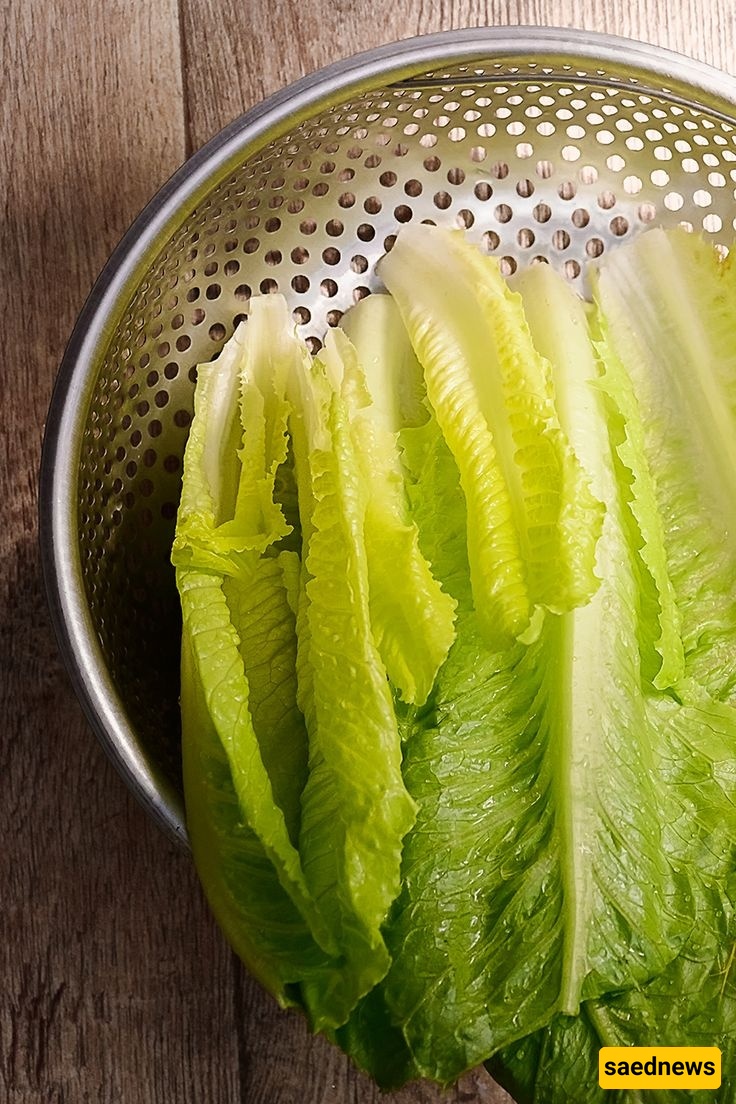
The first and most important step in prolonging lettuce’s shelf life is proper washing. Many people skip this step or do it incorrectly, which accelerates spoilage. Washing not only removes dirt, pests, and pesticide residues but also prepares the leaves for drying and long-term storage. Avoid leaving washed lettuce in the fridge for long periods, as lingering moisture and contaminants promote bacterial and mold growth.
To wash lettuce correctly, gently separate the leaves. Fill a large bowl with cold water and immerse the leaves. For better disinfection, you can add a little white vinegar or salt and let the leaves soak for 10–15 minutes. Then, remove the leaves and rinse them under a gentle stream of cold water to remove any remaining dirt and the taste of vinegar or salt. Handle the leaves carefully to prevent bruising.
If there’s one secret to preventing slimy, wilted lettuce, it’s thorough drying after washing. Excess moisture is the number one enemy of fresh lettuce. Water droplets on the leaves create an ideal environment for bacteria, which cause sliminess, brown spots, and rapid spoilage. Spending time on this step is an investment for crisp lettuce that can last weeks.
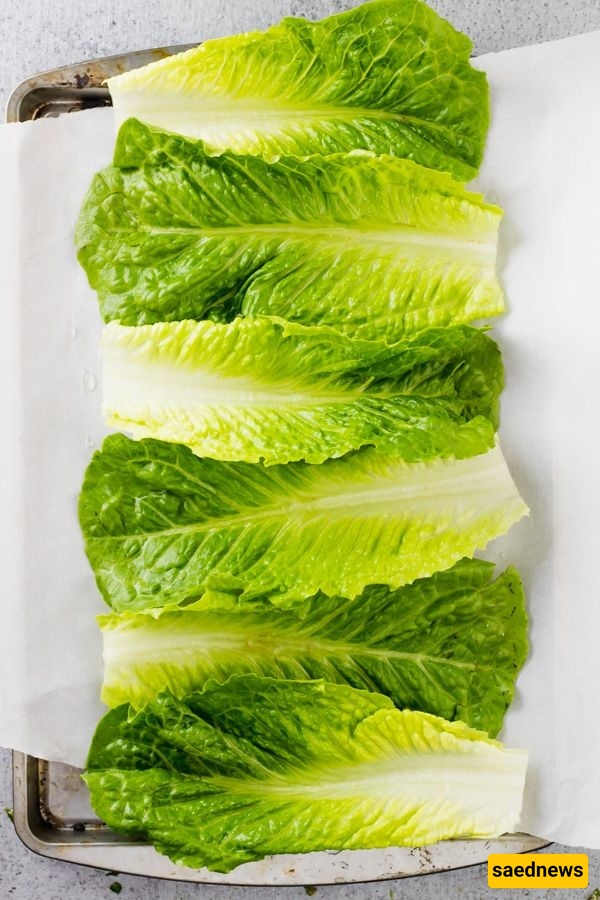
The most effective tool is a salad spinner, which uses centrifugal force to remove water quickly without damaging the leaves. If you don’t have one, lay the washed leaves on a clean kitchen towel or multiple layers of paper towels. Then, gently pat them dry with another towel until no visible moisture remains.
After washing and drying, it’s time to store the lettuce. Several methods work well, but here are two of the most effective:
Method 1: Paper Towel and Sealed Container
This is one of the simplest and most reliable techniques. Use a large, airtight container (plastic or glass). Line the bottom with one or two thick paper towels. Gently layer the fully dried lettuce leaves inside, then place another layer of paper towels on top and seal the container. The towels act as moisture absorbers, capturing excess humidity that could cause sliminess while maintaining enough moisture to prevent wilting. Check the towels every few days and replace them if damp. With this method, lettuce can stay fresh for three weeks or more.
Method 2: Storing Whole Lettuce Heads
If you won’t use the lettuce soon, wrap the entire head (especially compact varieties like iceberg or romaine) in several layers of paper towels. Place it in a plastic bag with small ventilation holes and leave the bag slightly open. Store the wrapped lettuce in the crisper drawer, which maintains controlled humidity ideal for leafy greens. This method can keep iceberg lettuce fresh for several weeks, but always wash it thoroughly before use.

For best results, store lettuce in the crisper drawer and keep it away from ethylene-producing fruits such as apples, bananas, pears, and tomatoes. Ethylene accelerates ripening and spoilage in leafy greens.
Avoid these common mistakes:
Don’t cut or tear lettuce until you’re ready to use it; exposing more surface area accelerates browning and nutrient loss.
Never wash lettuce with warm water; always use cold water to avoid shocking the plant tissue and losing freshness.
Avoid placing wet lettuce in a sealed plastic bag without paper towels, which quickly creates slimy, unusable leaves.
Keeping lettuce fresh in the fridge for the long term is not a dream—it’s achievable by following a three-step process: careful washing, thorough drying, and smart packaging. Separating the leaves, washing them in cold water, and drying them completely with a salad spinner or paper towels prevents early spoilage. Storing the dry leaves in a sealed container with paper towels controls humidity, keeping lettuce crisp for weeks—and under ideal conditions, up to a month. By following these guidelines, you can reduce food waste, save money, and always have fresh greens on hand for a healthier lifestyle.