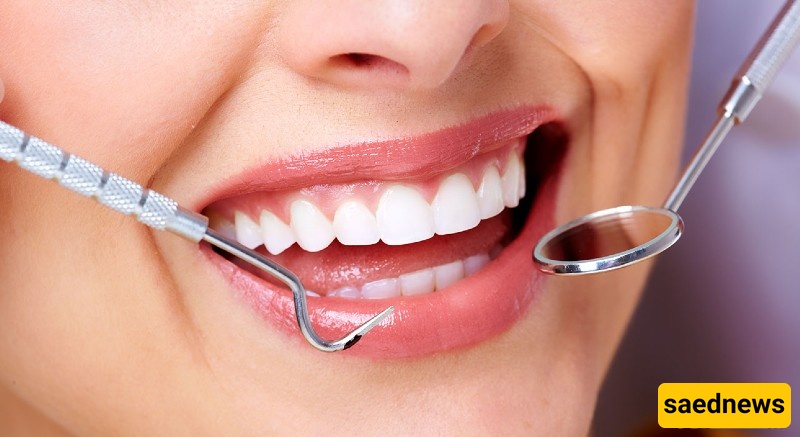
SAEDNEWS: Food particles and dental plaque accumulate in narrow and deep grooves that are usually present on the occlusal (chewing) surfaces of posterior teeth. The buildup of these materials can lead to swelling or inflammation of the gums.
According to Saed News and Behdasht News:
Gum swelling and inflammation are usually caused by bacterial infection. If left untreated, this inflammation can lead to a condition called periodontitis. Gum swelling and periodontitis are among the main causes of tooth loss in adults.
If gum swelling is not treated, the gums may separate from the teeth, damaging the soft tissues and bone structure supporting the teeth. As a result, teeth may become loose, and if the infection progresses, tooth loss may occur.
Risk factors include:
Smoking or chewing tobacco
Diabetes
Certain medications (oral contraceptives, steroids, anticonvulsants, calcium channel blockers, chemotherapy drugs)
Misaligned teeth
Improper dental appliances
Broken fillings
Pregnancy
Genetic factors
Weakened immune system (e.g., AIDS)
Common symptoms include:
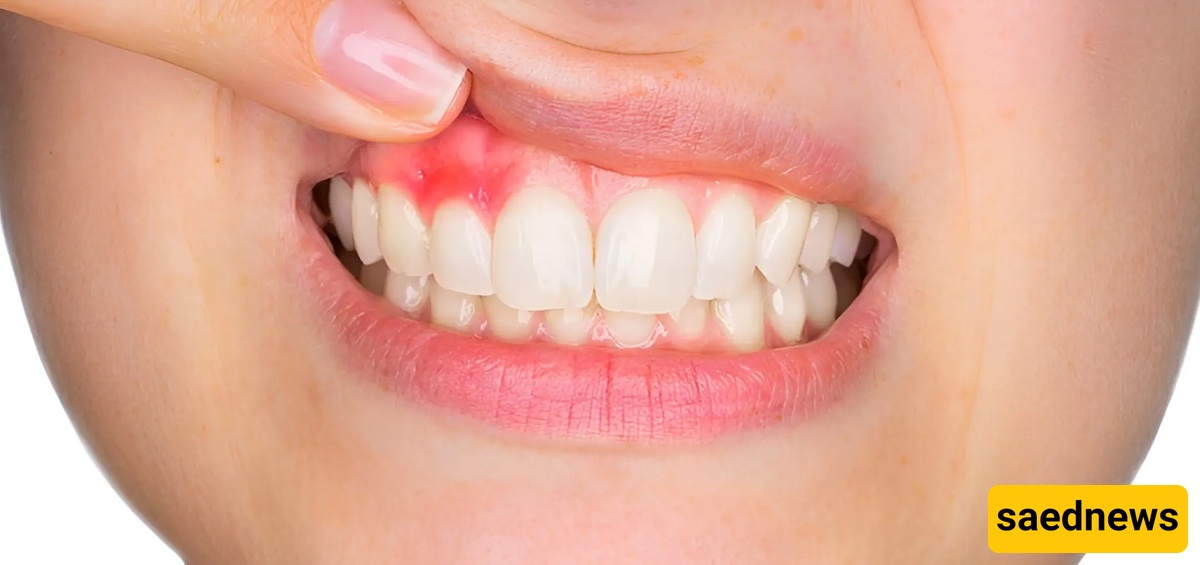
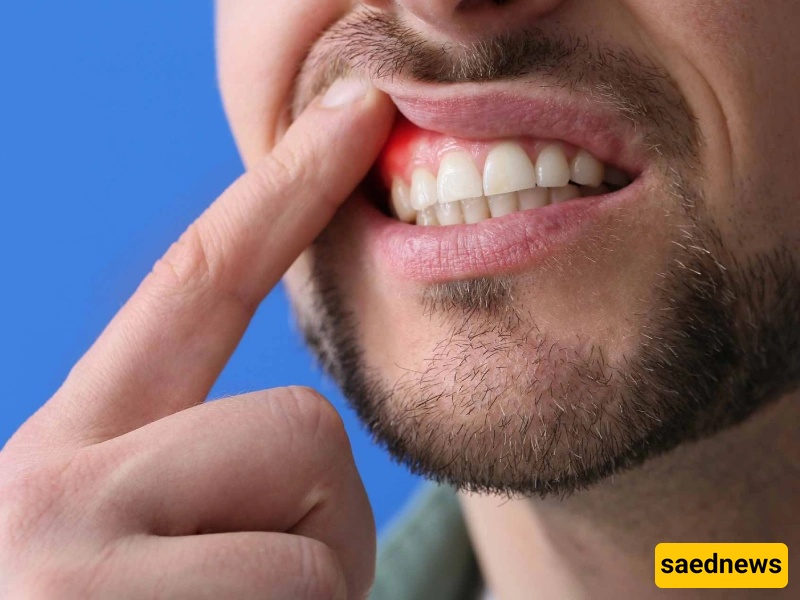
Red and swollen gums
Bleeding during brushing or flossing
Gum recession (pulling away from teeth)
Loose teeth
Changes in bite alignment
Pus between teeth and gums
Pain while chewing
Tooth sensitivity
Bad breath
During a dental examination, gums are checked using a small probe to detect inflammation, pockets, or gaps around the teeth. Dental X-rays may also be used to assess bone and tooth stability.
Treatment focuses on improving oral hygiene and eliminating infection. Smoking cessation and diabetes control are also important.
Treatment options include:
Scaling: Removal of plaque and tartar above and below the gum line
Root planing: Smoothing the root surfaces and removing tartar from tooth roots
Laser treatment: A less painful option with reduced bleeding
Antiseptic mouthwash containing chlorhexidine
Chlorhexidine gels after root planing
Antibiotics such as minocycline and doxycycline (oral or local use)
Flap surgery: Temporarily lifting the gums to clean deep areas
Bone and tissue grafting: Used in severe damage to gums and jawbone
(Consult a doctor before use during pregnancy, breastfeeding, or medical conditions)
Mix half a teaspoon of salt in a glass of warm water
Gargle for 30 seconds and spit out
Repeat 2–3 times daily
Benefits: reduces inflammation, pain, bacteria, food particles, and bad breath
Add 2–3 drops to a cup of water
Rinse mouth for 30 seconds
Use 2–3 times daily
Gargle aloe vera juice for 30 seconds
Repeat 2–3 times daily
(Do not use if allergic)
Add 3 drops to a cup of warm water
Rinse for 30 seconds
Use 2–3 times daily
(Always dilute well to avoid irritation or allergic reactions)
Boil 1–2 cups of water
Add fresh or dried sage
Boil 5–10 minutes, strain, and cool
Use as a mouth rinse 2–3 times daily
Swish 1–2 teaspoons of coconut oil in the mouth for 20–30 minutes
Do not swallow
Spit out, rinse mouth, drink water, and brush teeth afterward
Gum swelling is a common but potentially serious condition. Early treatment, proper oral hygiene, and lifestyle changes can prevent complications such as periodontitis and tooth loss.