SAEDNEWS: Magnesium-Rich Foods Essential for Cellular Health and 300+ Biochemical Functions
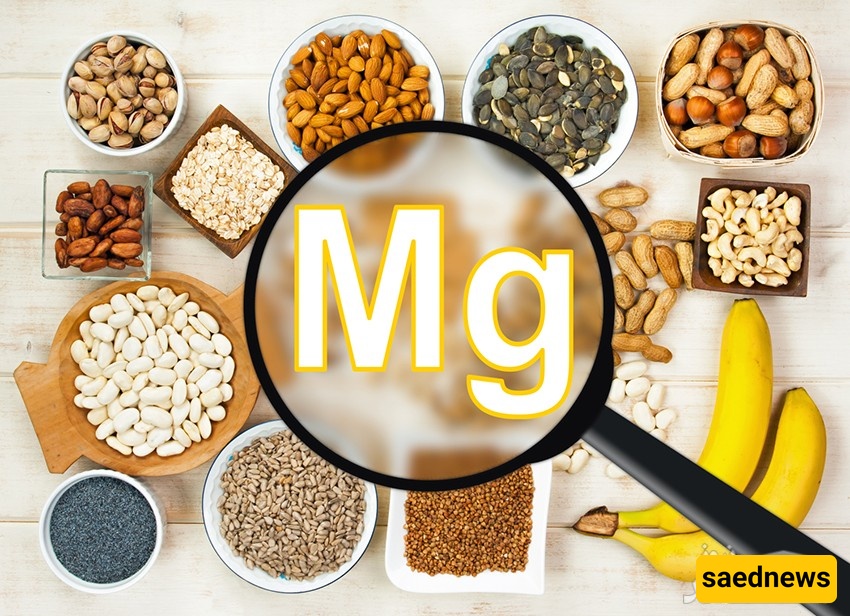
According to a news report from Saed News, magnesium is an essential mineral involved in hundreds of reactions and biological processes in the human body. It helps with proper bone formation, muscle function, regulation of body temperature, and the absorption of calcium. Ensuring sufficient intake through a healthy magnesium-rich diet is essential.
Foods rich in magnesium are vital for cellular health and more than 300 biochemical processes in the body. Unfortunately, about 80% of Americans may suffer from magnesium deficiency, most of them without even realizing it.

A study published in BMC Bioinformatics shows that the human body has 3,751 magnesium binding sites, indicating that its benefits are far greater than previously thought. Since the body uses magnesium in many functions, levels can quickly drop if dietary intake is insufficient.
Protein synthesis
Nerve function
Blood sugar regulation
Neurotransmitter release
Blood pressure control
Energy metabolism
Production of glutathione (an antioxidant)
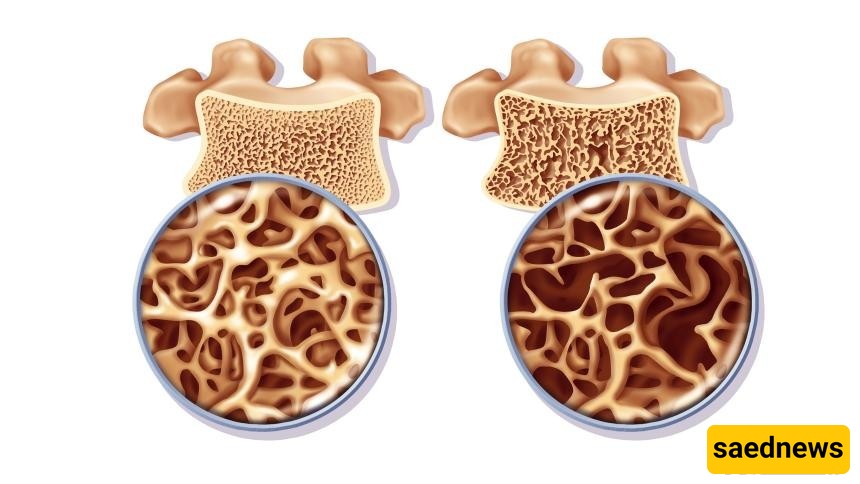
Magnesium deficiency is often undiagnosed because blood tests do not reliably detect it. Only about 1% of the body’s magnesium is found in the blood; most is stored in bones.
Hormonal imbalance and PMS
Fibromyalgia
Heart attack
Type 2 diabetes
Osteoporosis
Constipation
Tension headaches and migraines
Anxiety and depression
Chronic fatigue
As shown above, increasing magnesium intake is essential for overall health.
The best way to address possible magnesium deficiency is by consuming magnesium-rich foods regularly. Leafy green vegetables are among the best sources, as they contain chlorophyll, which has magnesium at its center.
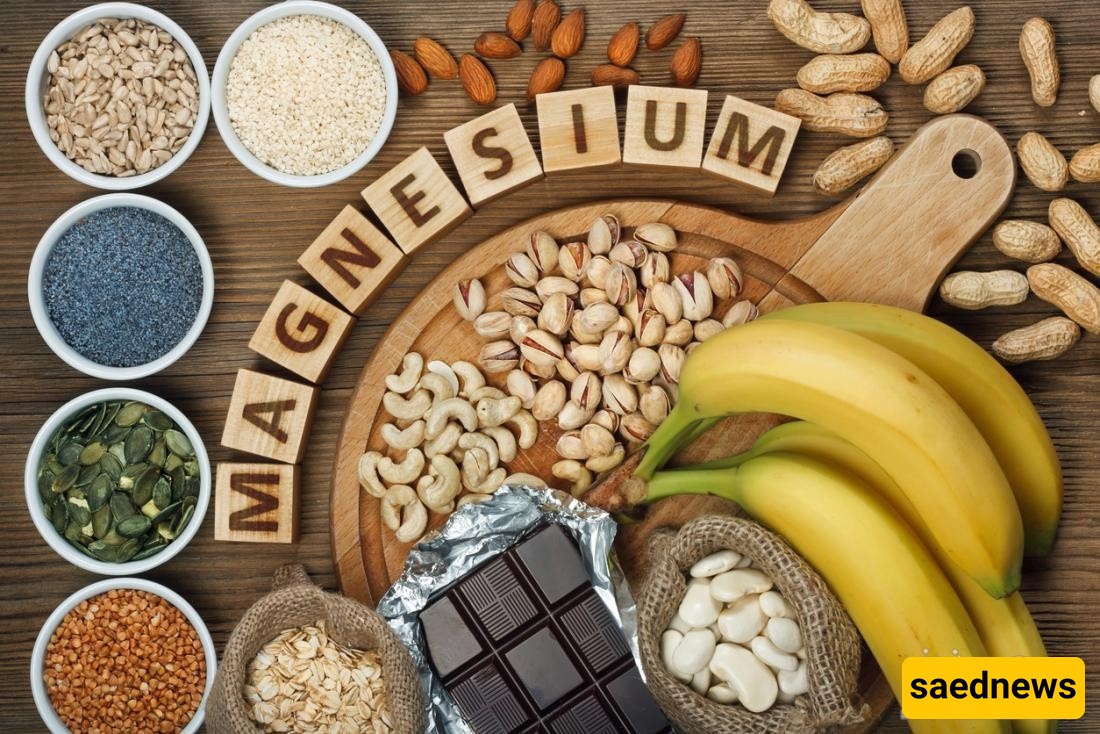
Below are 43 magnesium-rich foods and their approximate values per serving:
Pumpkin seeds – 369 mg (93%) per ½ cup

Cashews – 81.8 mg (20%) per 28 g
Roasted soybeans – 196 mg (49%) per ½ cup
Wild salmon – 53 mg (13%) per ½ fillet

Wild rice – 52 mg (13%) per cup
Coriander seeds – 14 mg per tbsp
Dark chocolate – 13 mg per 40 g
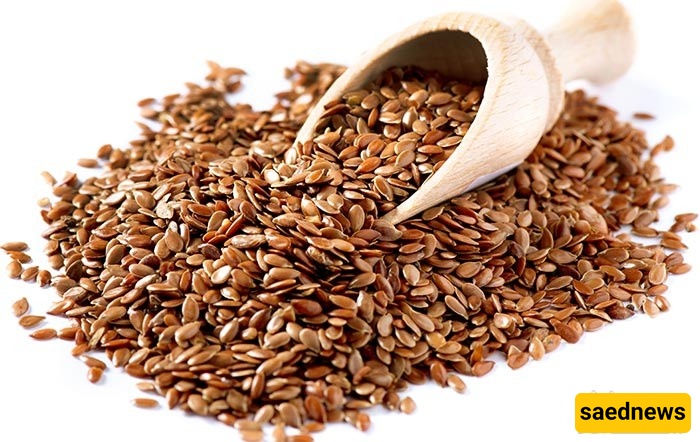
Flaxseeds – 39 mg (10%) per tbsp
Sunflower seeds – 83 mg (21%) per ½ cup
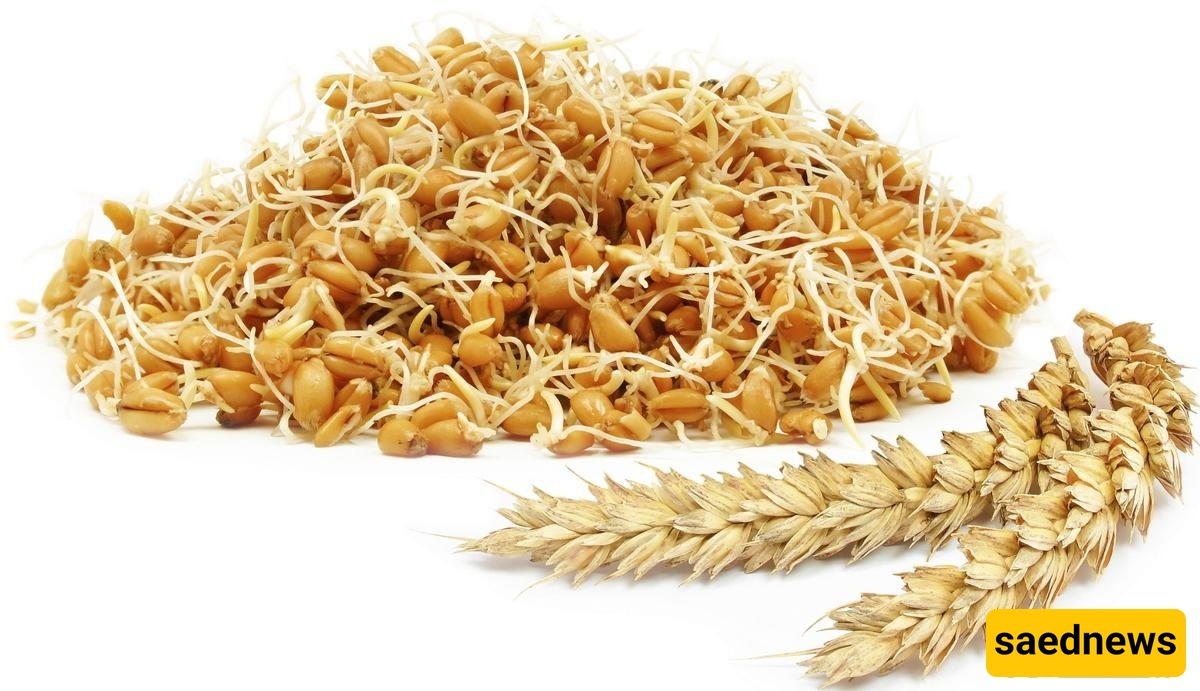
Wheat germ – 275 mg (69%) per 115 g
Molasses – 48 mg (12%) per tbsp
Dates – 43 mg (11%) per 100 g

Oatmeal – 47 mg (12%) per ¾ cup
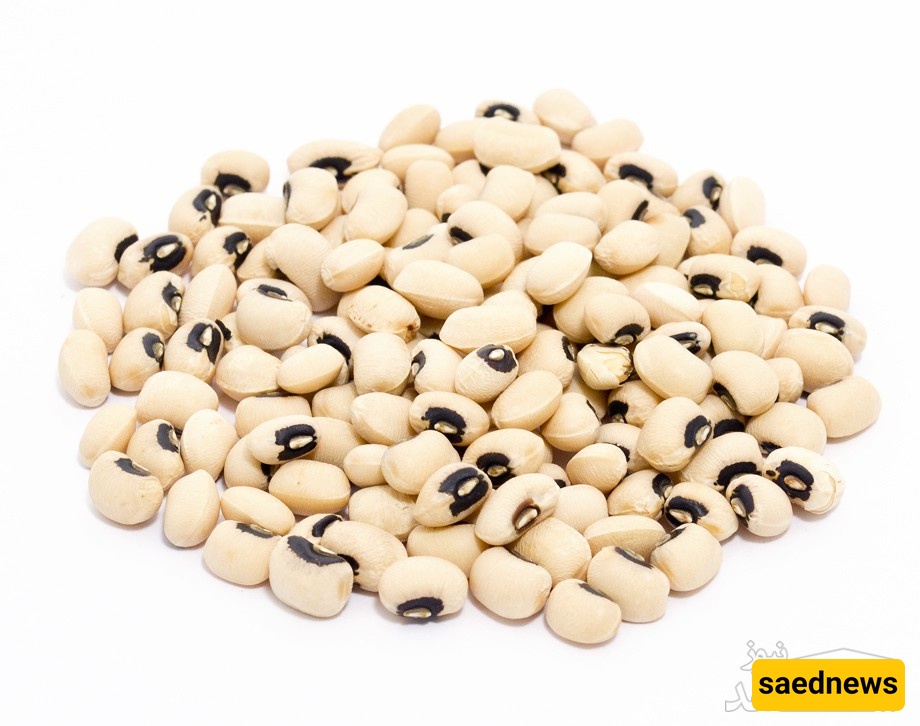
Black-eyed peas – 91 mg (23%) per cup
Banana – 32 mg (8%) per medium fruit
Pecans – 34 mg (8%) per 28 g

Corn – 211 mg (53%) per cup
Cooked beans – 68 mg (17%) per cup
Cooked spinach – 157 mg (39%) per cup

Artichoke – 71 mg (18%) per cup
Whole milk – 24 mg (6%) per cup
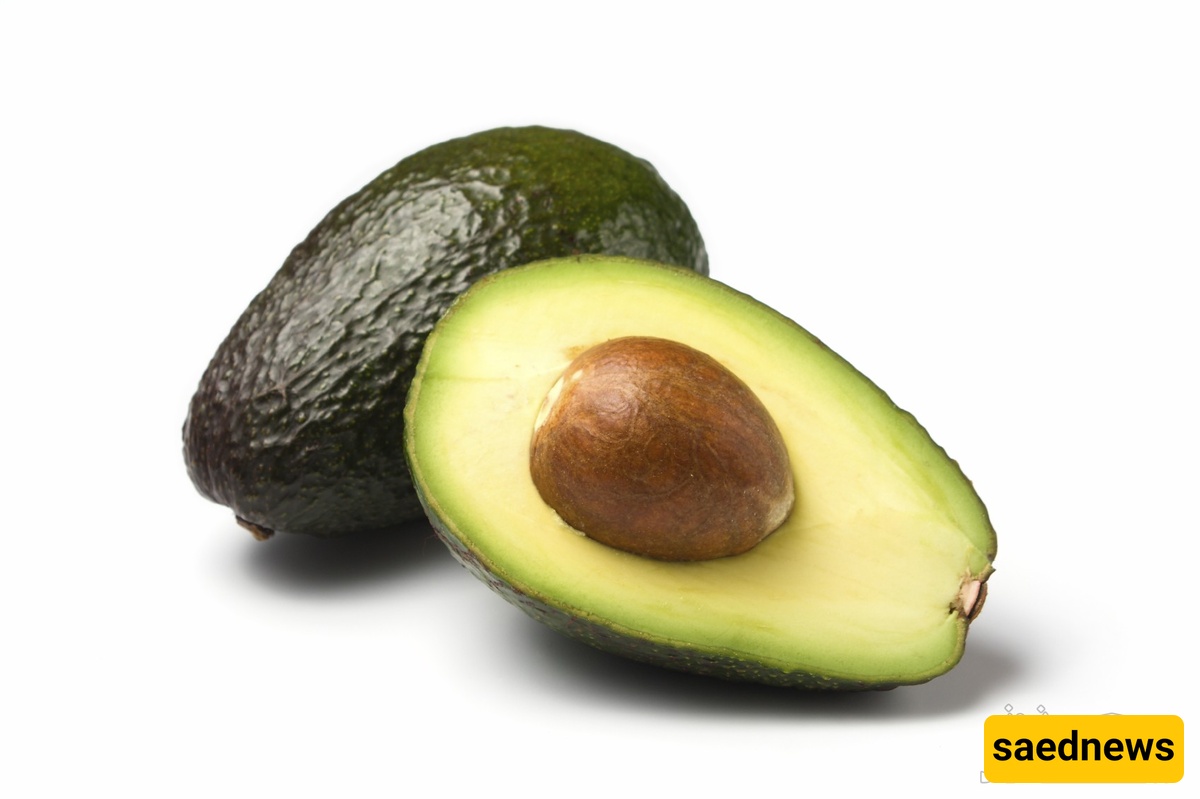
Avocado – 58 mg (15%) per fruit
Brazil nuts – 250 mg (63%) per ½ cup
Cloves – 17.2 mg per 6 g

Walnuts – 185 mg (46%) per serving
Sesame seeds – 505 mg (126%) per 144 g
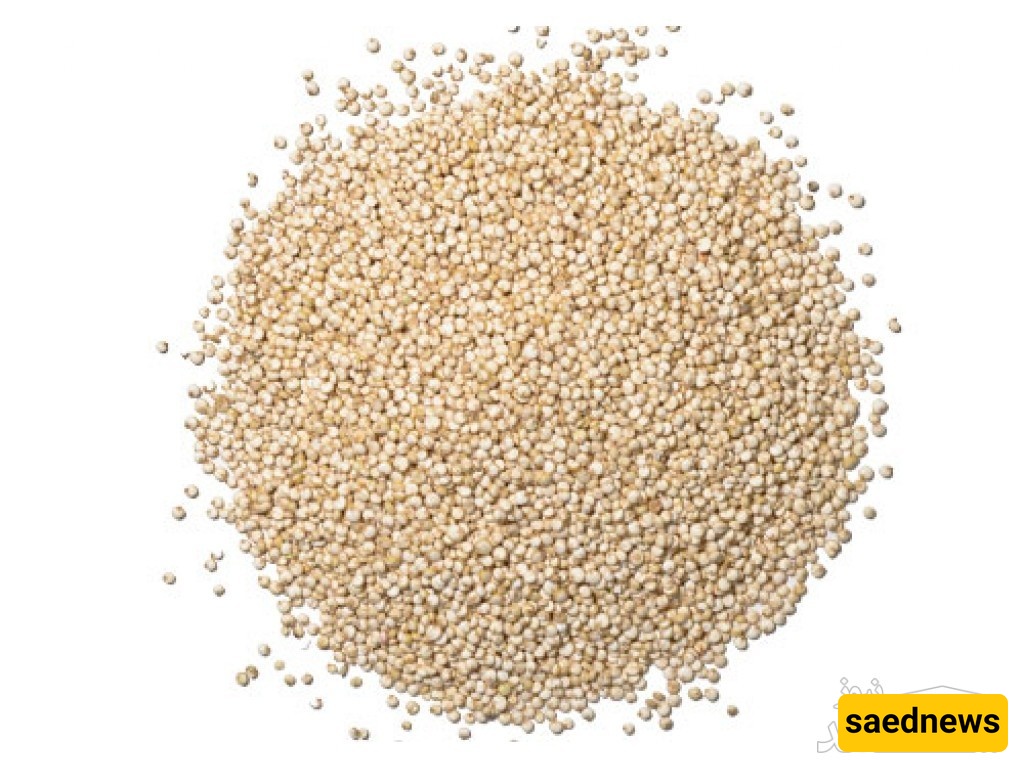
Quinoa – 335 mg (84%) per 170 g
Cumin seeds – 22 mg per 6 g
Cherries and sour cherries – 15.2 mg per 138 g
Peach – 15.7 mg per 175 g
Apricot – 15.5 mg per 155 g

Raspberry – 28.8 mg per 144 g
Okra – 57 mg (14%) per 100 g

Broccoli – 19.18 mg (5%) per 91 g
Beetroot – 31.3 mg (8%) per 136 g
Green bell pepper – 14.9 mg (4%) per 149 g
Buckwheat – 393 mg (98%) per 170 g
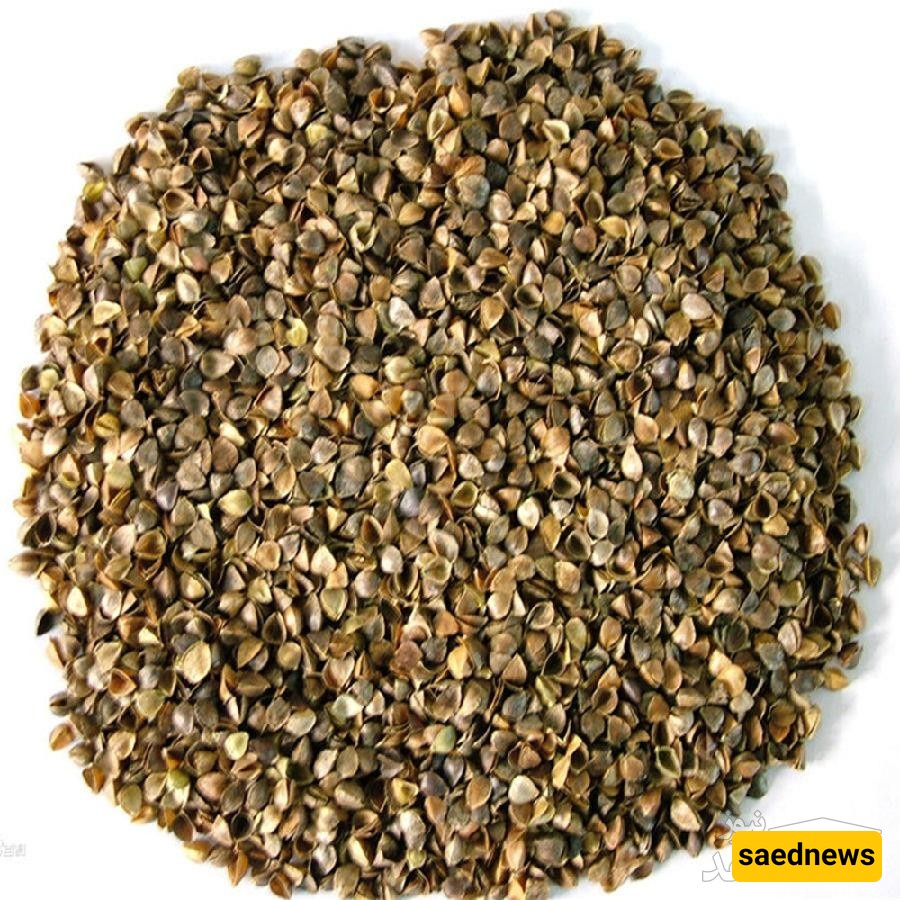
Halibut fish – 170 mg (43%) per 159 g
Brown rice – 272 mg (68%) per 190 g

Swiss chard leaves – 154 mg (38%) per cup
Yogurt or kefir – 50 mg (13%) per cup
Almonds – 80 mg (20%) per 30 g
Figs – 50 mg (13%) per ½ cup
Many people are unaware of the importance of magnesium in a healthy diet. Fortunately, there are numerous foods that are not only rich in magnesium but also contain other essential vitamins and minerals. A magnesium-rich diet can significantly improve overall health and well-being.