SAEDNEWS: Imagine that beneath the layers of concrete and asphalt in the city you walk through every day, one of the greatest architectural secrets in the world has been hidden. Italian archaeologists have discovered something that, until yesterday, was considered nothing more than a “paper legend.”
According to Saed News Agency, the name “Vitruvius” has long been associated with geometry, the golden ratio, and Roman architecture. However, the only structure he claimed to have built had never been found—until just a few weeks ago, when a routine excavation shocked the world.
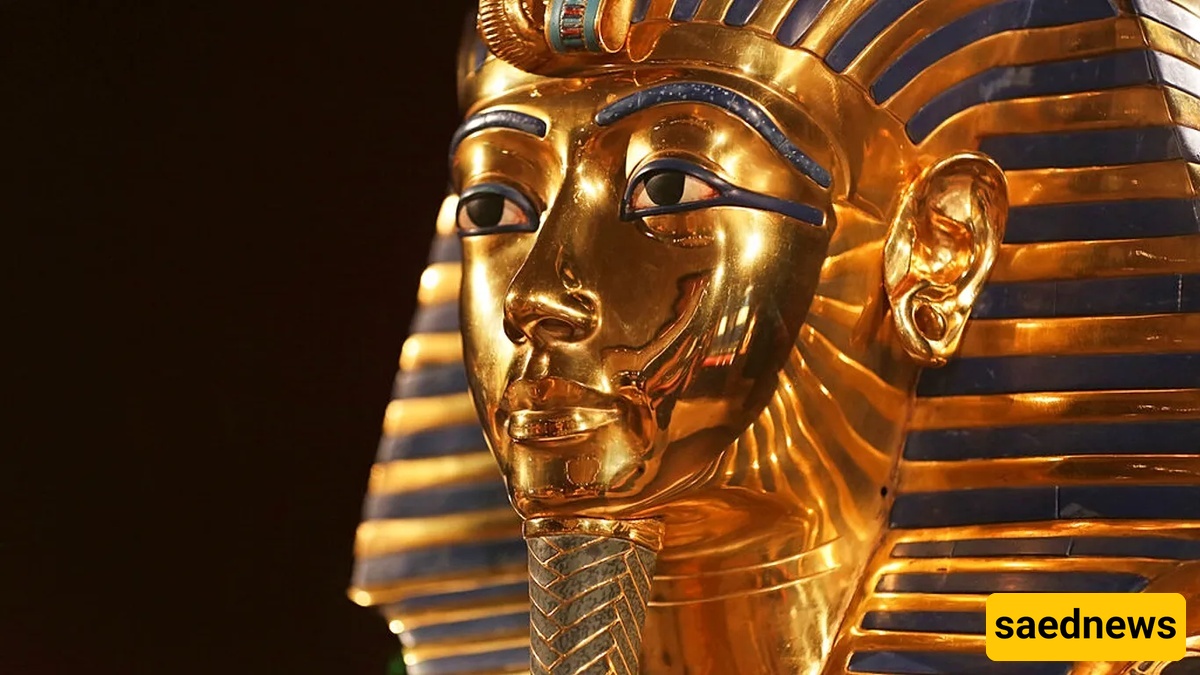
For centuries, historians and leading architects searched through ancient texts for traces of the “Basilica of Fano,” a building that Leonardo da Vinci is believed to have drawn inspiration from when creating the Vitruvian Man. Now, in the heart of Italy, the ground has seemingly opened up, revealing one of the most mysterious structures of the Roman Empire. Archaeologists have even dubbed it the “Italian Tutankhamun”—not a tomb filled with gold, but a temple of grandeur, massive columns, and engineering genius that could redefine our understanding of ancient history.
In the coastal city of Fano in eastern Italy, archaeologists encountered a breathtaking scene: massive stone walls, precious marble, and foundations perfectly aligned with ancient architectural plans. This structure is not merely a building; it is believed to be the only architectural work attributed to Marcus Vitruvius Pollio, the father of architecture, described in his famous treatise De Architectura (“Ten Books on Architecture”). For centuries, scholars assumed the building had either been destroyed or never existed beyond Vitruvius’s writings.
What makes the discovery especially remarkable is its location. The massive structure was not found in a remote area but directly beneath modern residential buildings in the city center. Using laser scanning and ground-penetrating radar, archaeologists were able to estimate the true scale of this ancient masterpiece. Thick columns that once supported the basilica’s high ceilings have now emerged from the soil, standing as evidence of the extraordinary engineering capabilities of ancient Rome.
You may wonder why the discovery of a building is compared to the tomb of an Egyptian pharaoh. The answer lies in its rarity and authenticity. Just as the tomb of Tutankhamun is one of the most intact relics of ancient Egypt, the Basilica of Vitruvius represents a direct physical link to the man who shaped the principles of modern architecture. It is like an open book revealing how the Romans, without modern machinery, created spaces with such mathematical precision and visual grandeur.
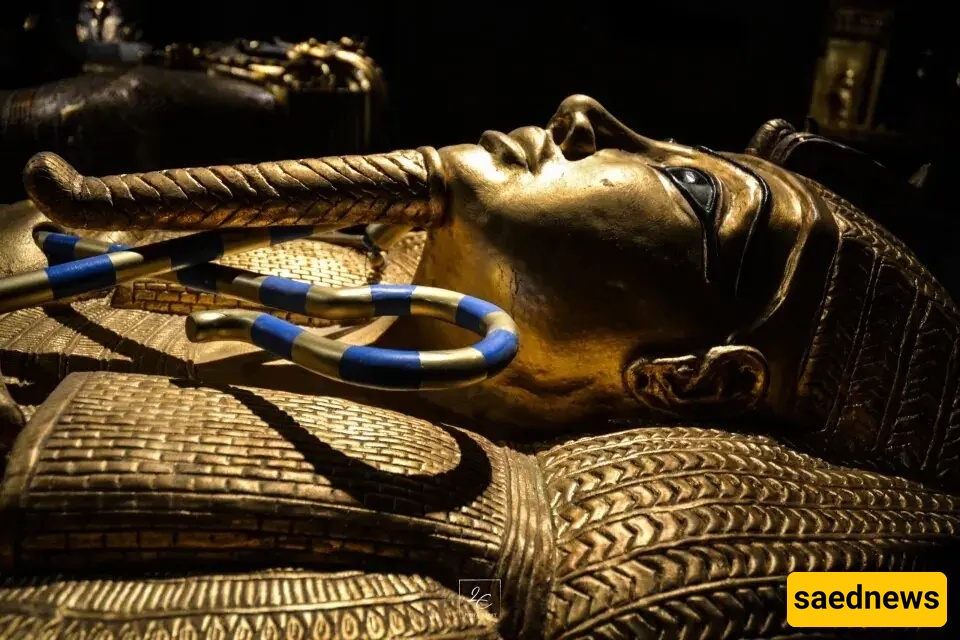
Recent excavations have uncovered fragments of inscriptions and decorative elements suggesting that the site was not merely a basilica for legal or public gatherings, but also a symbol of imperial power and wealth. The colored marble, still retaining its shine after two millennia, points to highly advanced stone-working and pigmentation techniques that remain impressive even by 21st-century standards.
The discovery of the Basilica of Vitruvius in 2026 serves as a powerful reminder that the Earth still holds many untold secrets. This is not only a victory for Italy but also for archaeology and human knowledge as a whole. The unearthed structure forms a bridge between the distant past and a future where technology helps us better understand our origins—and how ancient civilizations combined art and mathematics to achieve architectural immortality.