SAEDNEWS: Learn how to make authentic Iranian ceremonial rice, from selecting the right rice to expert draining and steaming techniques. This guide helps you avoid mushy rice and achieve fluffy, fragrant grains with a golden tahdig every time.
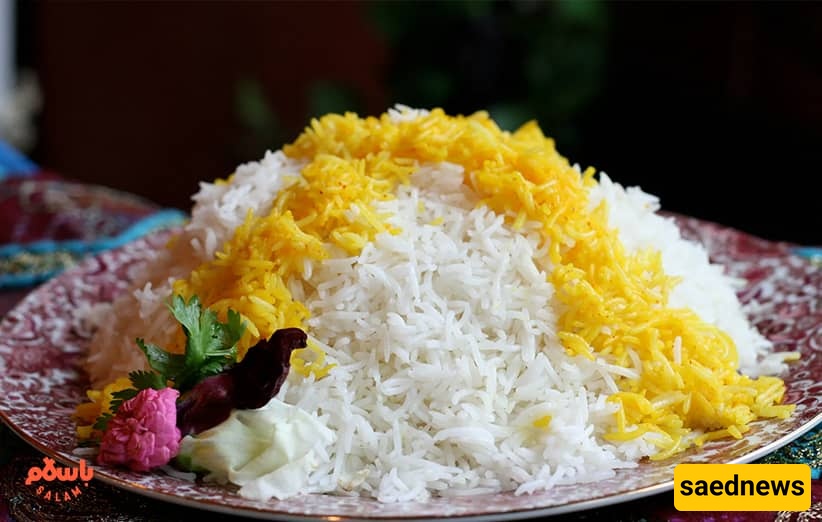
According to the cooking section of the Saed News website, polo is one of the most essential and iconic dishes in Iranian cuisine. The aroma of steamed rice and its long, fluffy grains can turn any gathering into a memorable experience. However, achieving perfectly cooked rice—non-sticky, fragrant, and topped with a crispy golden crust (tahdig)—requires techniques that have been passed down through generations.
This guide brings together key professional tips for preparing various types of Iranian rice dishes, so you can confidently cook rice at a restaurant level.
The quality of rice determines the final result. Even perfect cooking methods cannot compensate for poor-quality rice. Traditional Iranian varieties such as Tarom, Hashemi, Domsiah, and Ali Kazemi are ideal due to their aroma and ability to expand and elongate during cooking.
A crucial factor is whether the rice is aged or fresh. Aged rice (stored at least one year) contains less moisture, allowing it to absorb water better, remain separate, and resist becoming mushy. Fresh rice, due to higher moisture, is more fragile and requires more careful cooking.
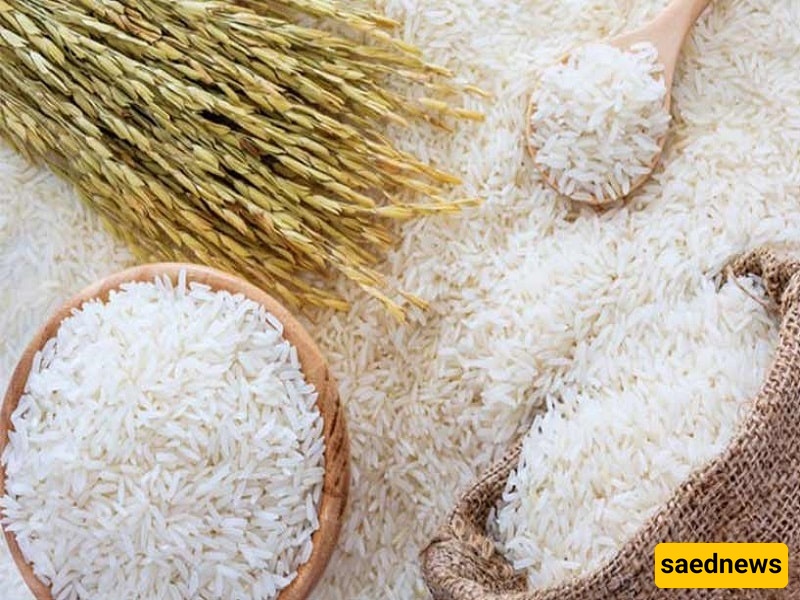
When buying rice, look for:
Uniform, unbroken grains
No insects or impurities
A slightly creamy, translucent color
A natural fragrant aroma
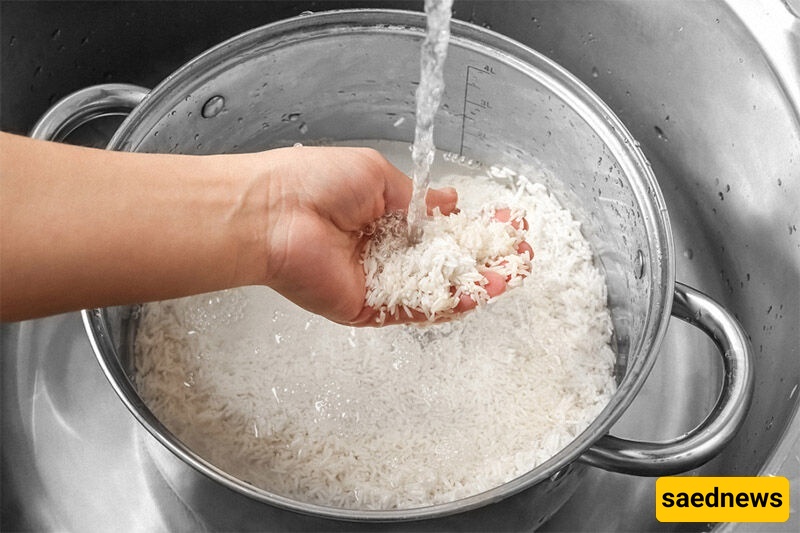
Soaking is essential for achieving fluffy, elongated rice. It allows water to gradually penetrate the grains, strengthening them and reducing breakage during boiling.
Steps:
Wash rice gently with lukewarm water
Soak in lukewarm water (4–5 cm above rice level)
Add salt (about 1 tablespoon per cup of rice)
Soaking time:
Aged rice: 3–5 hours
Fresh rice: 1–2 hours
The grains should soften but not become mushy.
This step determines whether the rice remains fluffy or becomes sticky.
Steps:
Use a large pot filled with plenty of boiling water
Add soaked rice to boiling water
Stir gently to prevent sticking
The key point is to cook until the rice reaches a stage called “alive,” meaning:
The outer layer is soft
The center is still slightly firm
Once ready:
Drain immediately
Rinse with lukewarm or cool water to stop cooking and remove excess starch
This final stage gives rice its aroma, texture, and signature crispy crust.
Steps:
Heat oil in a pot
Add your chosen tahdig base (bread, sliced potatoes, or rice mixture with yogurt and saffron)
Layer drained rice into a mound shape
Create holes in the rice to allow steam circulation
Optionally add a little hot oil and water mixture for aroma and shine
Cover the pot with a clean cloth-wrapped lid to absorb moisture.
Cooking process:
High heat for 5–7 minutes to generate steam
Then low heat for 45–60 minutes
The result is fragrant, fluffy rice with a golden, crispy crust.
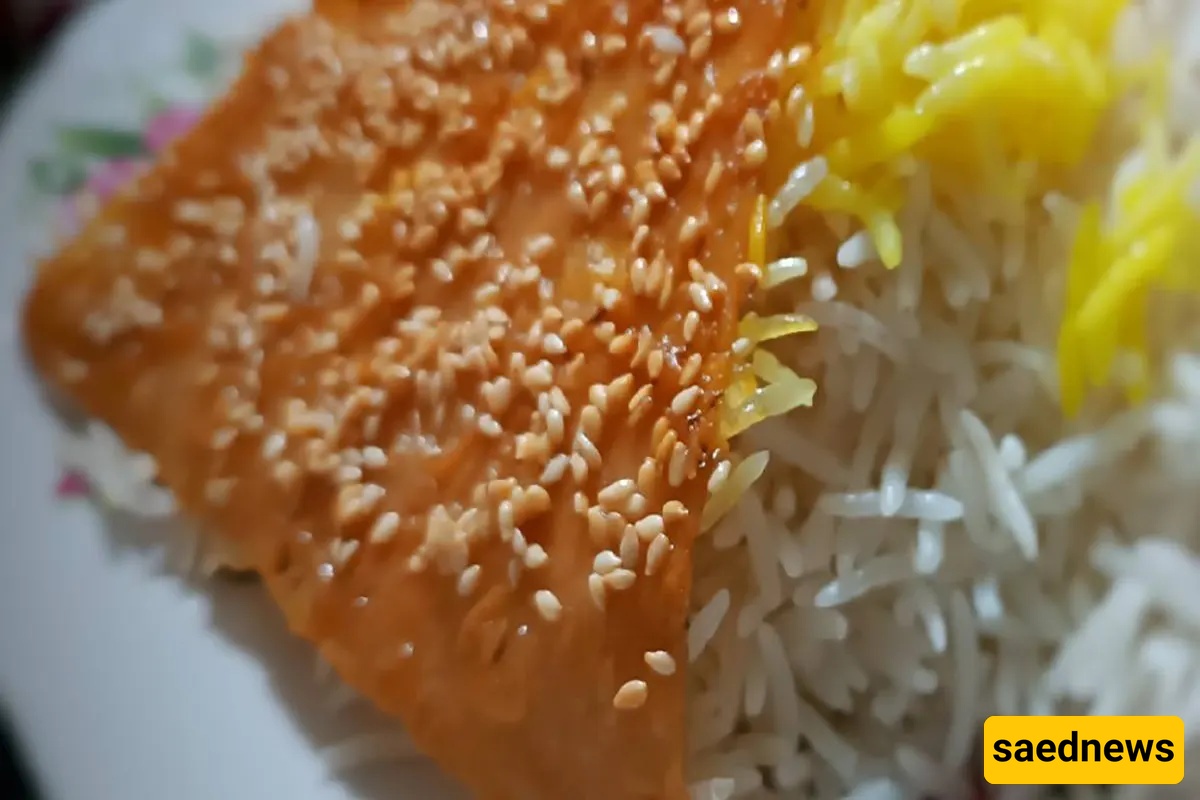
Cooking Iranian polo is more than a recipe—it is a skill that depends on precision and patience. Success begins with selecting aged, high-quality rice, followed by proper soaking, precise boiling, careful draining, and slow steaming. When these steps are followed correctly, the result is consistently restaurant-quality rice with perfect texture, aroma, and tahdig.