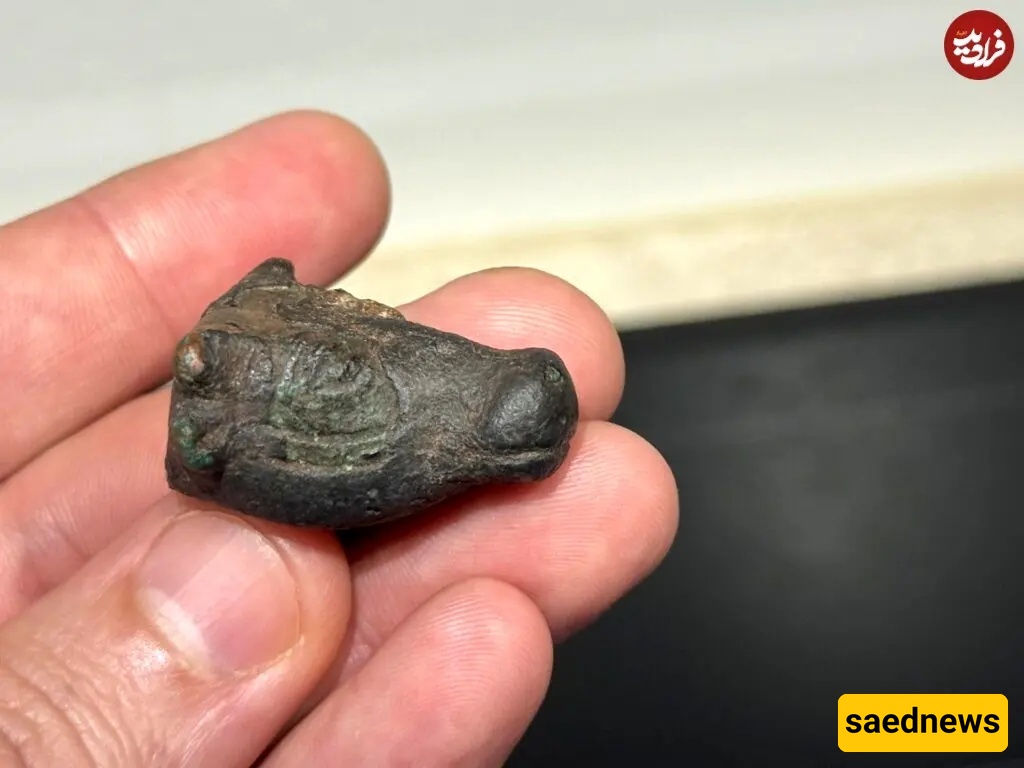
SAEDNEWS: The cow head measures only about 3 centimeters in length and is remarkably well-preserved. The facial features, ears, horns, eyes, and snout are delicately sculpted and adorned with engraved lines, reflecting the distinctive artistic style of the Talayotic and post-Talayotic cultures.
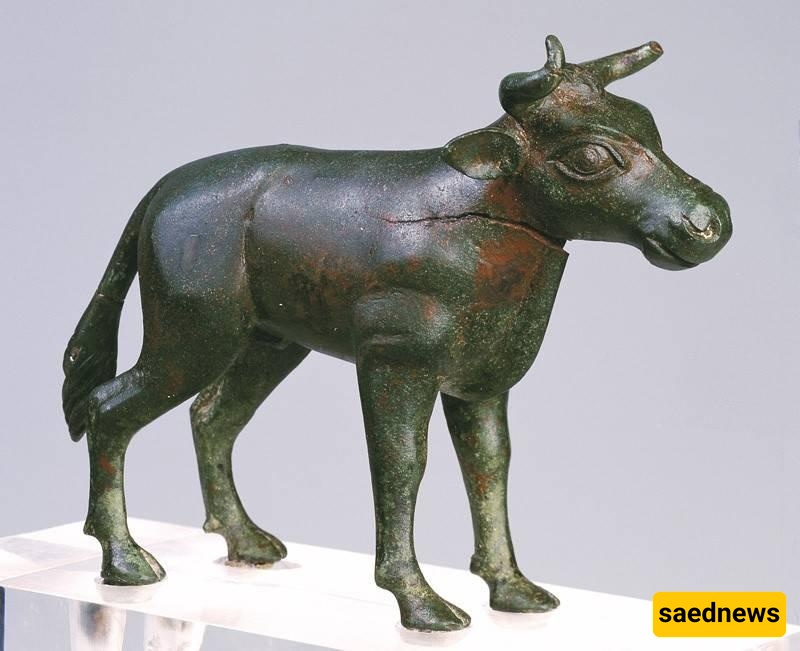
A hiker in Mallorca recently stumbled upon a small object on a walking path, now identified as a 3,000-year-old miniature bronze bull head—the fourth example of its kind discovered on the island and the only fully preserved small piece set to be displayed in a museum.
Measuring just about 3 centimeters in length, the bull head is astonishingly intact. Its facial features, ears, horns, eyes, and snout are delicately rendered, with engraved lines highlighting the intricate craftsmanship. The piece reflects the distinctive artistic style of the Talayotic and Post-Talayotic cultures.
Archaeologists suggest the artifact may have been part of a smaller statue or served as a decorative element attached to the horn of a larger bull sculpture.
Jaume Deya, a Mallorcan archaeologist, commented, “This small bronze piece could have been part of a larger object—either the head of a small statue or an ornament placed on the horn of a bigger bull head.”
The artifact dates to the Post-Talayotic period, roughly 600 to 200 BCE, spanning the late Bronze Age to the early Iron Age in the Balearic Islands.
In many prehistoric Mediterranean cultures, the bull represented strength, fertility, authority, and sometimes religious practice. In Mallorca, the Talayotic culture is known for its massive stone towers, and bulls held a special place in their art and rituals.
Until now, only three life-sized bronze bull heads had been found at the Son Coro archaeological site, dating back to the 19th century and linked to bull worship in Talayotic culture. This newly discovered miniature head is the first of its kind in 50 years, making it an exceptionally significant find.