SAEDNEWS: Media and Economic Weakness: Iran’s Two Major Challenges Unlockable Through People’s Unity
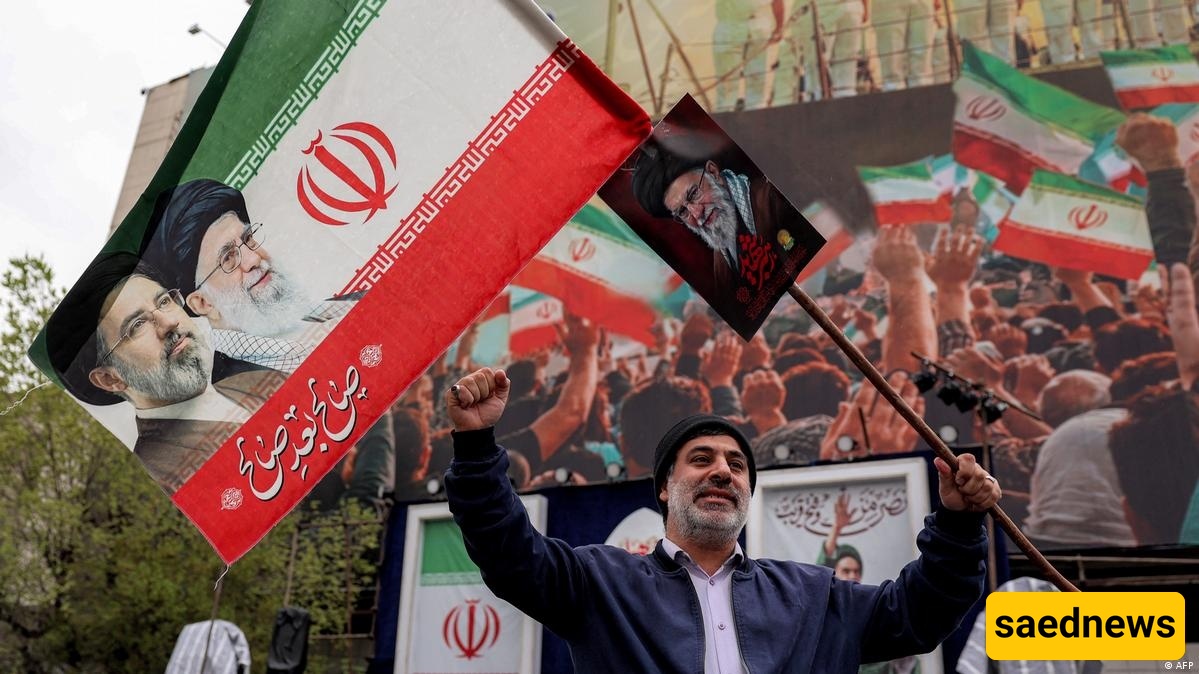
According to a policy report published by Saed News Agency, citing Fars News, the world was caught off guard after the war. Iran stood alone—resilient, powerful, and ultimately victorious. The same country that many Western analysts believed could only resist for a few days has now been described as the “fourth power in the world.” Notably, this label is not presented as praise, but as a reluctant acknowledgment by American and Israeli media of an undeniable reality. However, the report stresses that consolidating such a position is far more difficult than achieving it.
Iran’s current strength is described as resting on five pillars. The first is military power, which demonstrated its influence during the conflict and disrupted the enemy’s calculations. The second is scientific power, which is steadily growing but requires even greater acceleration to maintain its trajectory.
The third pillar is the economy, identified as the country’s main weakness. The report argues that its fundamental remedy is only possible through direct participation and involvement of the people.
The fourth and most decisive pillar is the popular base and people-centered governance. According to the report, this pillar is currently at its peak. The Iranian population is said to understand that refusing submission to any global power requires becoming a superpower itself. This national cohesion and public participation are described as the country’s greatest asset, capable of compensating for weaknesses in both the economic and scientific sectors.
The report highlights another critical but neglected dimension: media capacity and the power to shape public perception. It argues that weakness in this area can undermine all other strengths.
It points to repeated patterns where public questions arise but clear and timely answers are delayed. In such information gaps, adversaries quickly intervene, spreading doubt and suggesting concealment. This pattern is said to have occurred in issues such as internet disruptions, negotiations, pilgrimages, and diplomatic missions abroad. The cycle is described as predictable: questions emerge, responses are delayed, adversaries exploit uncertainty, and reactive explanations follow too late.
The report makes a distinction between strategic betrayal and operational weakness. It emphasizes that most officials are sincere, trustworthy, and even self-sacrificing, and that many have demonstrated their commitment in the most extreme circumstances.
However, it acknowledges shortcomings in communication and media management, attributing them not to disloyalty but to limited experience in dealing with modern, fast-moving information warfare. It argues that correcting these weaknesses could significantly elevate Iran’s position.
The report contrasts strong and weak states in their handling of errors. It argues that powerful countries do not hide their mistakes; instead, they openly acknowledge them and involve the public in solving them. In this view, mistakes are treated as data and opportunities for learning, not sources of shame.
The suggested path forward is “crowdsourcing” public input into media governance. Regulatory institutions, it argues, should openly acknowledge shortcomings and invite citizens to help design faster and more effective responses to misinformation and external narratives.
By doing so, not only would practical solutions emerge from society, but the public would also become active owners of national narratives, reducing the impact of external doubt and propaganda.
The report concludes that Iran’s two major challenges today are economic and media-related weaknesses. Yet both, it argues, can be addressed through a single force: the people.
With stronger transparency, timely communication, and greater reliance on public participation, Iran—already described as a fourth global power—could not only solidify its position but also become a unique model for other nations: a powerful state built on popular trust, openness, and resilience.