SAEDNEWS: Two rounds of indirect negotiations between the United States and Iran have produced new proposals concerning Iran’s nuclear program — including its enrichment capacity and stockpiles of highly enriched uranium — as well as potential pathways toward an agreement that could deliver economic benefits to both countries.
According to the political desk of Saed News, CBS News reported that two rounds of indirect talks between the United States and Iran have produced new proposals regarding Iran’s nuclear program — including its enrichment capacity and stockpiles of highly enriched uranium — as well as ways to reach an agreement that would be economically beneficial for both countries. Diplomatic sources described the proposals as “unique.”
The report added that while Tehran is seeking relief from U.S. sanctions, a diplomatic source familiar with the negotiations — mediated by Oman — said Iran has also signaled it may be prepared to purchase American aircraft and potentially grant access to its oil and gas fields, along with opportunities for joint investment.
Two regional officials told CBS News that diplomats have advised U.S. envoy Steve Witkoff to separate Iran’s nuclear program from other contentious issues, such as Tehran’s support for militias targeting U.S. interests and its ballistic missile program. The officials said Witkoff appears open to addressing those matters through a separate diplomatic track involving regional actors.
However, any agreement focused solely on Iran’s nuclear program would be unacceptable to Israeli Prime Minister Benjamin Netanyahu, who has publicly stated that any deal must also cover Iran’s ballistic missile program and its regional proxy network.
U.S. Secretary of State Marco Rubio has likewise described a “meaningful” agreement as one that includes those two issues. He plans to travel to Israel at the end of the month to discuss Iran.
Donald Trump has spoken less about the precise framework of a potential deal but has drawn a clear red line in the indirect negotiations: Iran must not obtain a nuclear weapon. Iran has long maintained that it does not seek to develop such weapons. Other demands from Trump that are unrelated to the nuclear program remain less defined, suggesting a degree of flexibility as he weighs either military action against Iran or awaiting a potential proposal from Tehran in the coming days.
Speaking Tuesday at the inauguration of a “Peace Board” in Washington, Trump said: “We have things to do with Iran. They cannot have a nuclear weapon. It’s very simple. If they have a nuclear weapon, you can’t have peace in the Middle East.”
On Thursday, he acknowledged that within the next 10 to 15 days he would be approaching a decision point, emphasizing that he prefers a diplomatic solution over military action. Diplomats say the timeline could be even shorter, as Trump is scheduled to deliver his annual address to Congress next Tuesday, February 24.
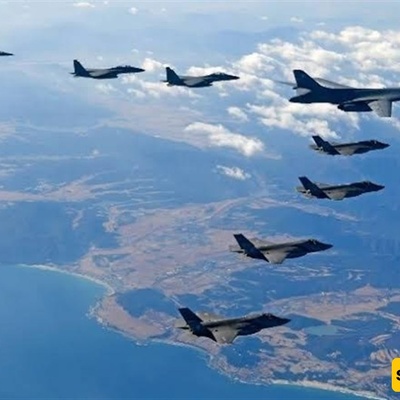
CBS previously reported that U.S. and Israeli officials have discussed potential joint operations targeting Iran’s ballistic missile program. A regional official said Israel is eager to dismantle that program. However, any strike — even a limited one — could drive Iran away from the negotiating table.
Mark Dubowitz of the Foundation for Defense of Democracies told CBS News that the president has informed Israel that Iran’s missile program poses a serious threat and that Jerusalem reserves the right to destroy it. He also claimed that Iran is rebuilding its missile stockpiles with assistance from China.
The continuation of nuclear negotiations implicitly suggests that Iran’s nuclear infrastructure may not have been eliminated by U.S. B-2 bombers and Tomahawk missiles during last summer’s operation “Midnight Hammer,” despite claims of its “complete destruction.”
Two regional officials said the current diplomatic push — encouraged by Arab states and Turkey — does not involve regime change in Iran. According to one Middle Eastern official, the issue is “changing the regime’s policies,” not the regime itself.
U.S. allies in the region, including Saudi Arabia, United Arab Emirates, and Jordan, have indicated they oppose the use of their territory for military operations and support a diplomatic track. Approximately 40,000 U.S. troops are stationed across the Middle East, many of them in these countries, and any Iranian retaliatory strike could put them at risk.
Turkey has also previously sought to encourage Iran to negotiate with Trump’s representatives, despite negative past experiences — including Trump’s withdrawal from the 2015 nuclear agreement, known as the Joint Comprehensive Plan of Action (JCPOA).
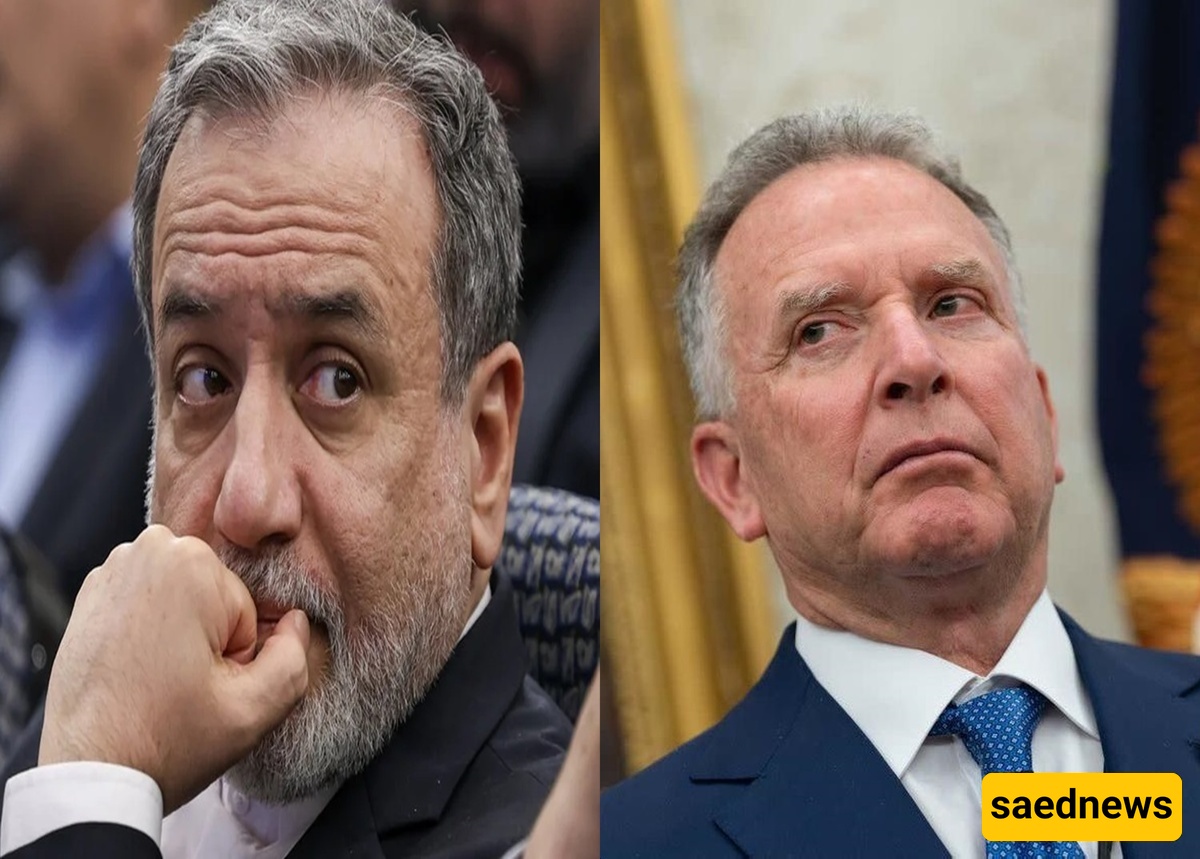
On Wednesday, Trump was briefed on the latest developments involving Iran, including Geneva negotiations led by his son-in-law Jared Kushner and Witkoff. These indirect talks were conducted with veteran Iranian diplomat Abbas Araghchi, with the assistance of Omani Foreign Minister Badr al-Busaidi.
Rafael Grossi, Director General of the UN nuclear watchdog, who has been denied regular inspections of Iranian facilities, was also consulted.