SAEDNEWS: The Commander-in-Chief of Iran’s IRGC personally directed the “Smart Control of the Strait of Hormuz” exercise from a helicopter, signaling that any attack on Iranian territory would spark a wider regional conflict and carry serious consequences for the United States and its allies.
According to the political desk of Saed News, Javan newspaper wrote:
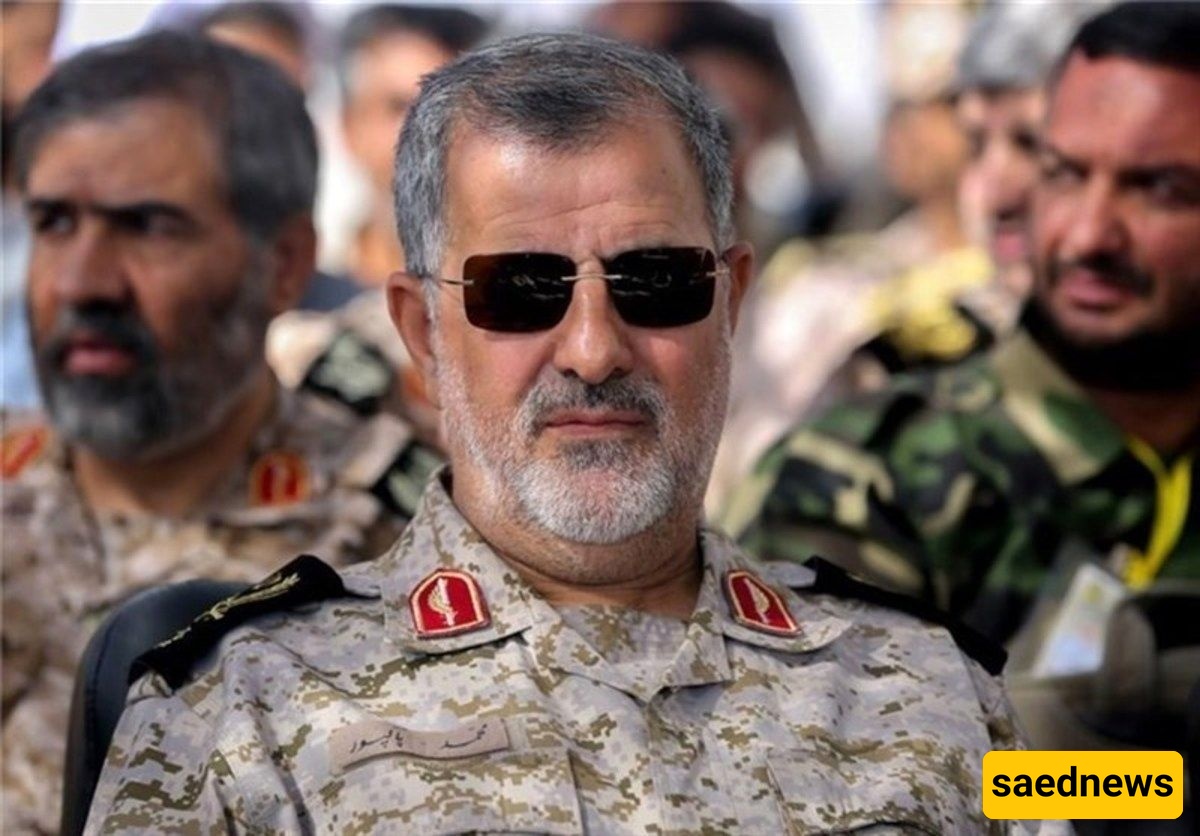
One day after the Chief of Staff of Iran’s Armed Forces warned that any battle with Iran would become a lesson for Donald Trump not to bluster on the world stage, the Commander-in-Chief of the Islamic Revolutionary Guard Corps (IRGC) personally assumed command of the “Smart Control of the Strait of Hormuz” exercise from a naval helicopter. The move was intended to remind the United States and its regional supporters of the meaning of a regional war in response to any aggression against Iranian territory.
The combined, live, and mission-oriented “Smart Control of the Strait of Hormuz” drill, centered on the IRGC Navy, began yesterday in the strategic Strait of Hormuz region. Major General Mohammad Pakpour oversaw and monitored the exercise on the ground. According to Sepah News, the primary objectives of the drill include assessing the operational readiness of IRGC naval units, reviewing security plans and counter-military action scenarios in response to potential security and military threats in the Strait of Hormuz, and intelligently leveraging Iran’s geopolitical advantages in the Persian Gulf and the Sea of Oman.
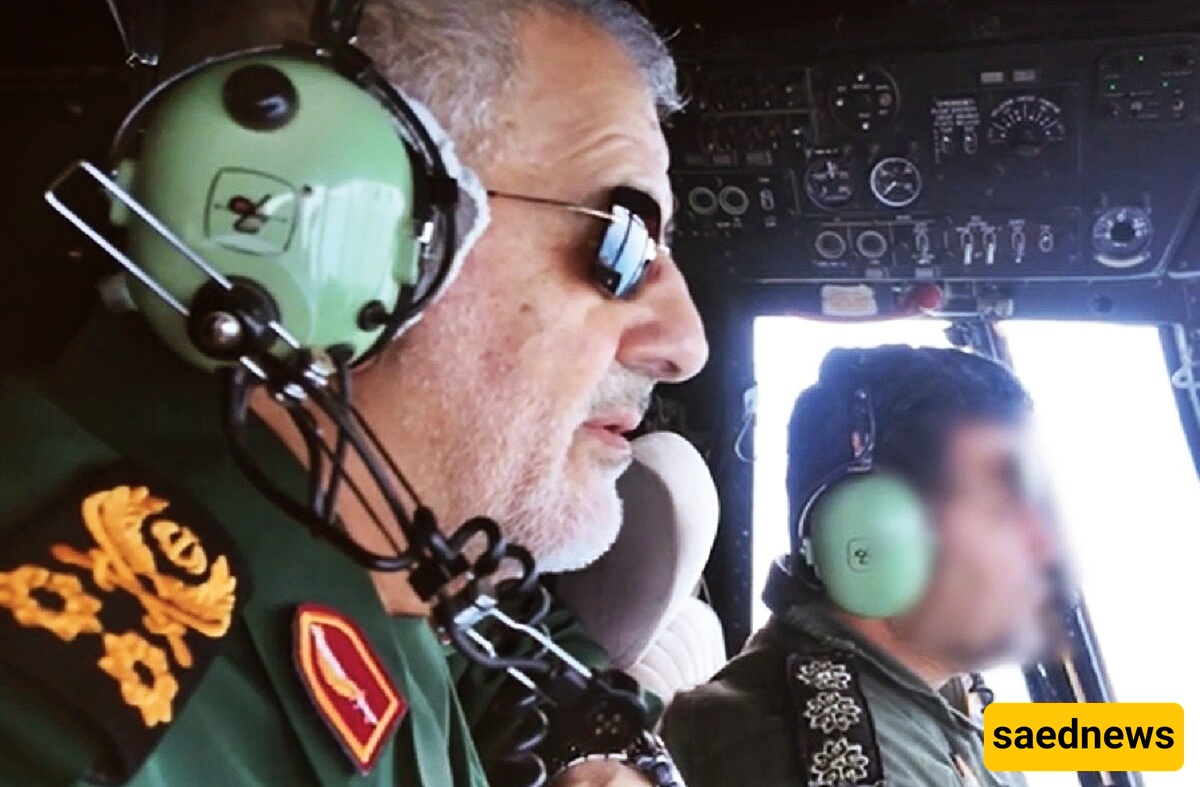
The report further states that rapid, decisive, and comprehensive responses by IRGC operational forces to anti-security conspiracies in the maritime domain are at the core of the intelligence and operational exercises conducted by units participating in the drill.
The launch of the “Smart Control of the Strait of Hormuz” exercise with the field presence of the IRGC Commander-in-Chief can be evaluated within the broader strategy of the Islamic Republic of Iran, which seeks synergy between field power and diplomacy. This strategy emphasizes dialogue and political solutions as the preferred path, while simultaneously reinforcing deterrence and operational readiness against potential threats.
Holding the drill in the strategic Strait of Hormuz—one of the world’s most sensitive energy corridors—carries a multilayered message. On one hand, the emphasis on “smart control” reflects an approach based on intelligence dominance, scene management, and targeted response. On the other, the direct presence of the IRGC’s top commander underscores the strategic importance of the exercise and preparedness to confront various security scenarios in the Persian Gulf and the Sea of Oman.
While the Islamic Republic of Iran has consistently prioritized diplomacy over other methods for resolving disputes and has not closed the door to negotiations, conducting such exercises demonstrates that this preference does not equate to ignoring threats. The guiding principle of Iran’s defense policy is that the “field” supports “diplomacy,” and effective diplomacy cannot endure without sustained field power. From this perspective, the “Smart Control of the Strait of Hormuz” drill can be analyzed as part of that broader doctrine.
The announced focus of the exercise—rapid, firm, and comprehensive responses to maritime security threats, reviewing counteraction scenarios, and utilizing Iran’s geopolitical advantages—indicates that all options remain on the table in the face of potential aggression. This message gains particular significance in light of recent warnings by the country’s political and defense officials, who have stressed that any miscalculation could impose heavy costs on the opposing side.
Considering the experience of the “12-Day War,” the drill also serves as a reminder that repeating threats or military adventurism will not necessarily produce different outcomes for an aggressor. If rationality prevails among opposing parties, it would be prudent to avoid retesting a path that has previously ended in failure—especially since, in the event of renewed aggression, there is no guarantee that opportunities for ceasefire requests or conflict management would be available as before.
The “Smart Control of the Strait of Hormuz” exercise should therefore be viewed as part of Iran’s active deterrence architecture—an architecture in which diplomacy remains the preferred route, but national security and territorial integrity constitute a red line safeguarded by maintaining the highest level of operational readiness.