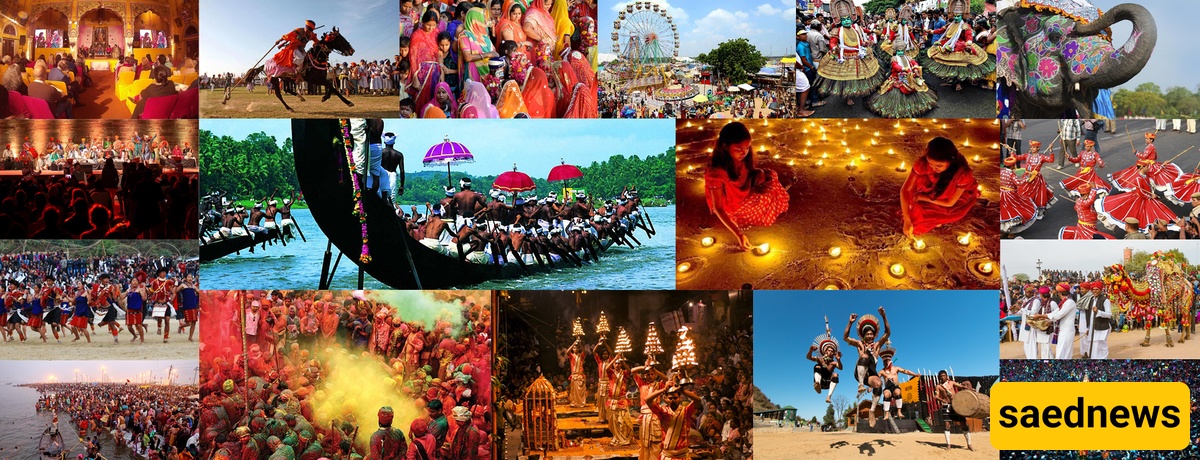
SAEDNEWS: Indian festivals reflect the country’s deep cultural diversity, spiritual traditions, and strong sense of community. Celebrated throughout the year, they bring people together through rituals, food, music, dance, and shared values.
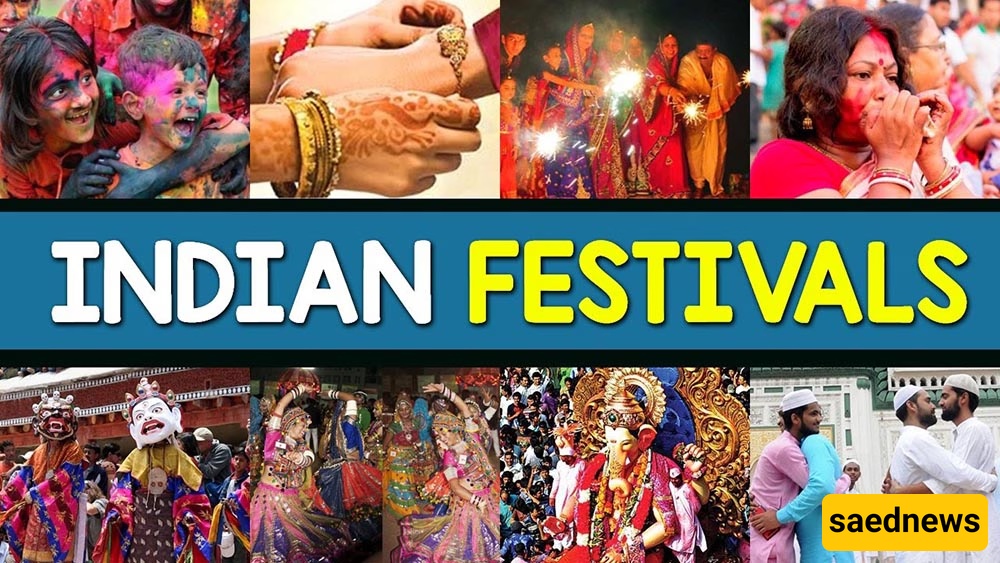
According to Saednews, India is a land where festivals are not just annual events but vibrant expressions of culture, spirituality, and community life. Across its diverse regions, every festival carries deep meaning—blending mythology, seasonal rhythms, social harmony, and centuries-old traditions into unforgettable celebrations.
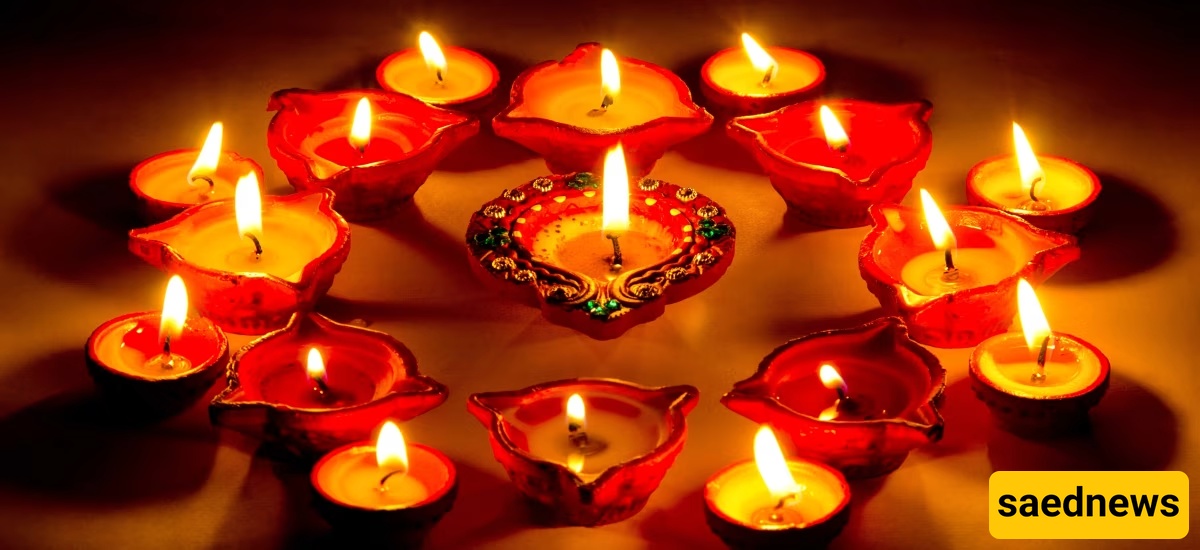
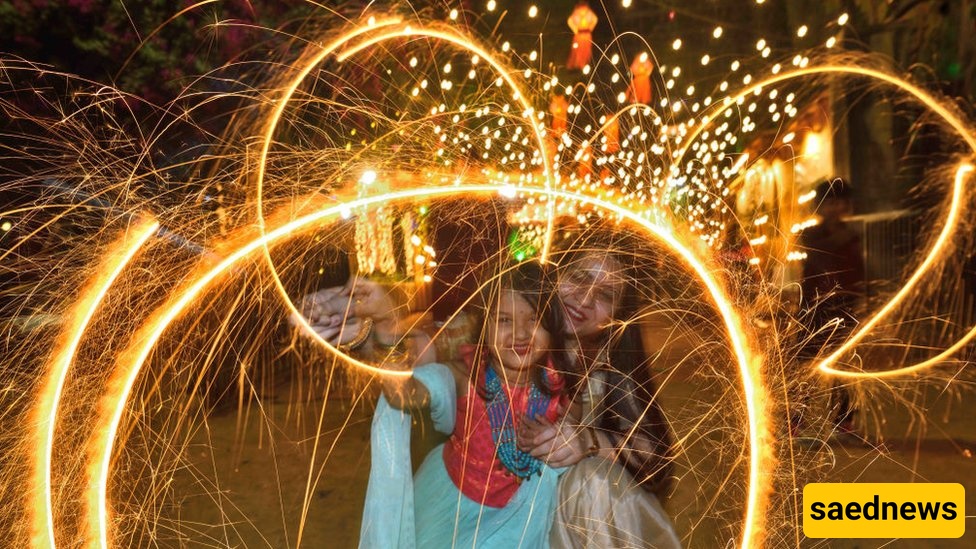
One of the most widely celebrated festivals in India, Diwali symbolizes the triumph of light over darkness and good over evil. Homes are decorated with oil lamps and candles, while families perform prayers for prosperity and happiness.
Fireworks light up the night sky, and sweets are shared among neighbors, reinforcing bonds of community and joy.
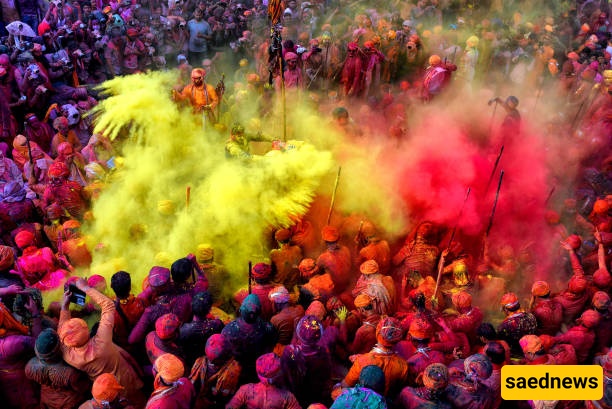
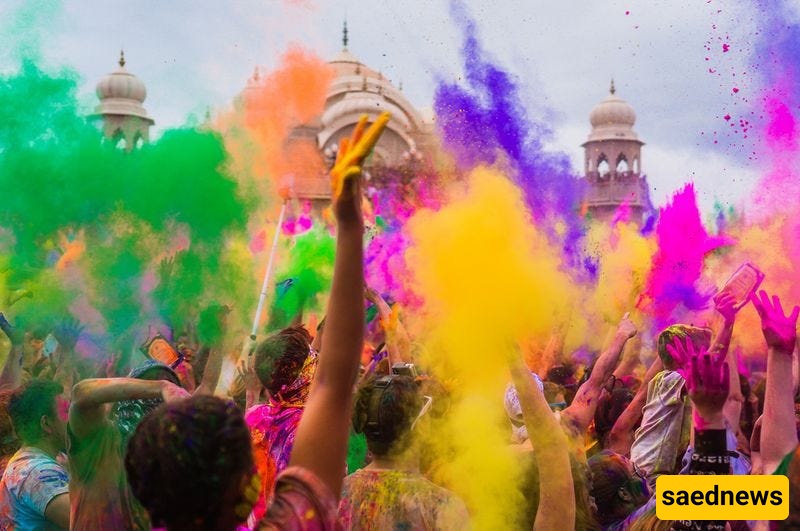
Holi is a celebration of spring, renewal, and togetherness. People gather in open spaces to throw vibrant colored powders, dance to music, and enjoy festive foods.
Beyond its playful surface, Holi represents the victory of good over evil and the arrival of new beginnings.
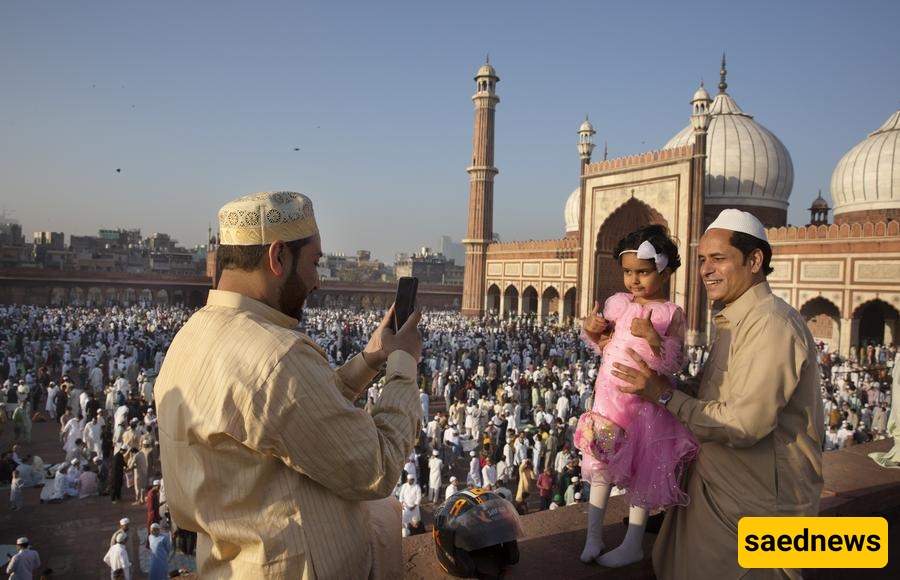
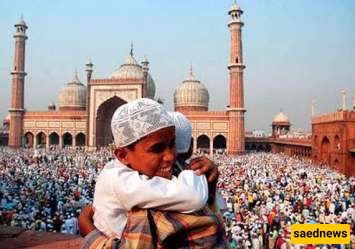
Eid al-Fitr marks the end of Ramadan, a month of fasting and reflection. In India, it is celebrated with prayers at mosques, family gatherings, and traditional dishes like biryani and sweet desserts.
It is a time of generosity, charity, and strengthening social ties.
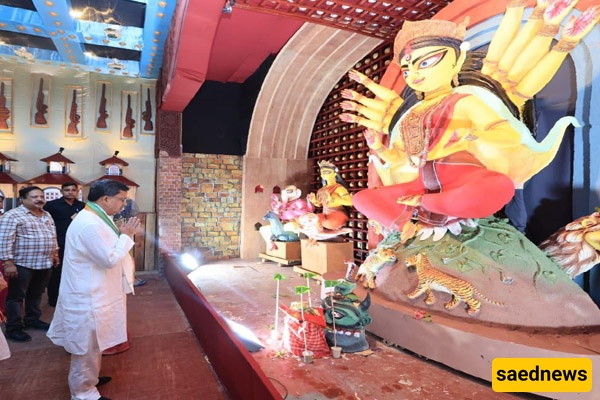
Durga Puja is especially significant in eastern India. It honors Goddess Durga’s victory over the buffalo demon Mahishasura, symbolizing the triumph of divine power over evil forces.
Elaborate idols, artistic pandals, cultural performances, and community feasts make it one of the most visually stunning festivals in the country.
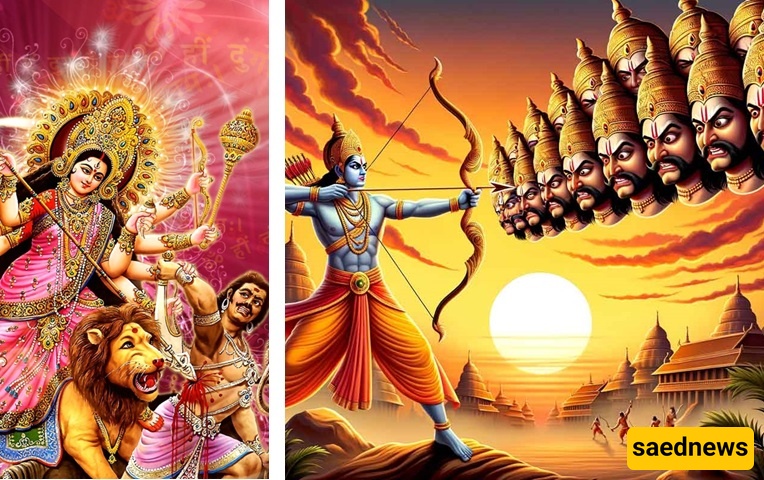
Navratri is a nine-night celebration dedicated to the divine feminine energy. It is followed by Dussehra, which commemorates Lord Rama’s victory over Ravana.
Across India, these festivals are marked by dance forms like Garba and Dandiya, as well as dramatic reenactments of ancient epics.
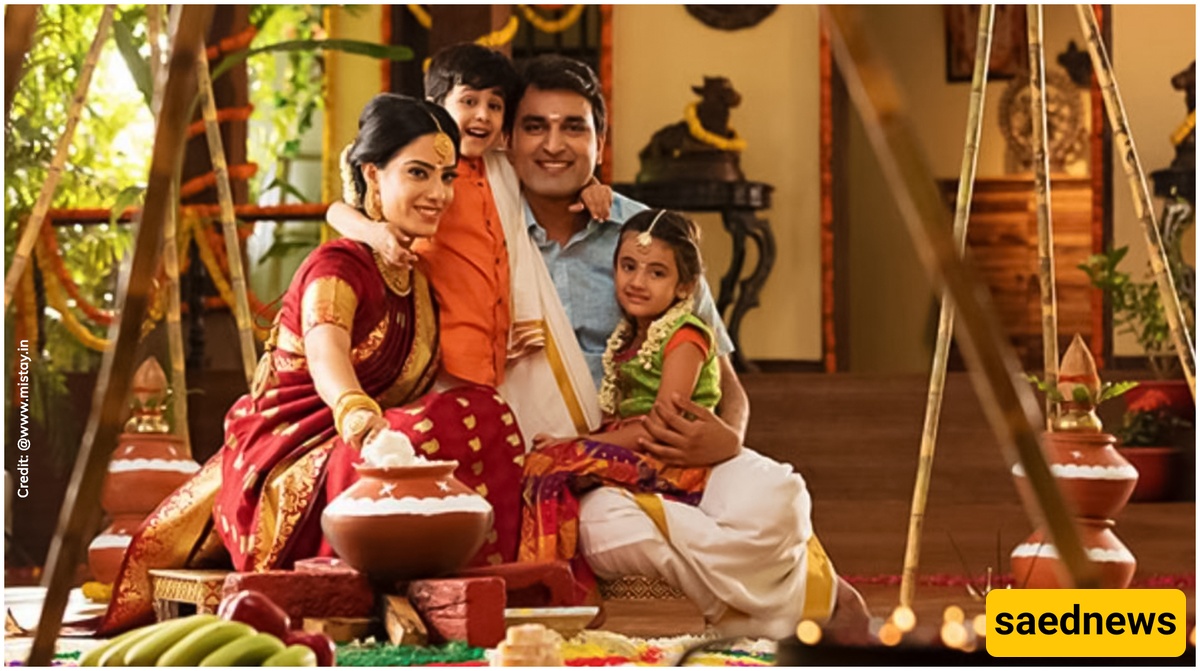
In southern India, Pongal celebrates the sun, nature, and agricultural abundance. Families cook traditional dishes in clay pots and thank nature for a successful harvest.
Similar harvest festivals are celebrated across regions under different names, reflecting India’s deep agricultural roots.
Indian festivals are more than rituals—they are living traditions that connect generations. They bring people together across languages, regions, and beliefs, creating a shared sense of identity and joy.
Whether through lights, colors, prayers, or dance, each festival tells a story of hope, renewal, and unity in diversity.