Saed News: “Hantavirus” is a rare but dangerous disease that is usually transmitted through contact with infected rodents. The virus has recently drawn attention again following suspected cases reported on a cruise ship in the Atlantic Ocean.
According to SAEDNEWS, when the coronavirus first appeared around the world, no one imagined that people would need to follow the strictest health protocols just to survive the virus.
Today, years after the difficult period of the COVID-19 pandemic, the effects of the virus can still be seen in our health. Therefore, to stay safe from dangers similar to the coronavirus, we must take even greater care of our health.
Now, reports are emerging about a dangerous and potentially deadly virus being detected on a passenger ship in international waters.
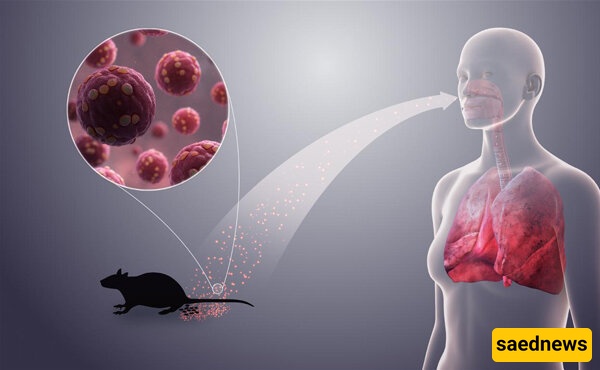
Hantavirus is not the name of a single virus, but rather a group of viruses mainly associated with infected rodents. Under certain conditions, these viruses can enter the human body through contact with rodent urine, feces, saliva, or contaminated particles left behind by rodents. Therefore, when talking about hantavirus, we are referring to a viral family that, depending on the type of virus, geographical location, and the individual’s immune condition, can cause illnesses ranging from mild to severe.
Hantavirus is not a newly discovered disease and should not be viewed like common respiratory viruses or pandemics such as COVID-19. Most types of this virus are not easily transmitted from person to person, and contact with environments contaminated by rodent secretions is usually the primary route of infection.
This virus can cause severe lung and kidney diseases.
Cases worldwide are very rare, but some strains have high mortality rates.
Cases have been reported in some countries in Asia and the Americas.
Inhalation of particles contaminated with rodent urine, feces, or saliva
Direct contact with rodents
Rarely through rodent bites
Hantavirus is currently not considered a global pandemic.
Declaring a global emergency is the responsibility of the World Health Organization.
So far, no reports of a widespread hantavirus epidemic in Iran have been published.
As in other parts of the world, wherever rodents are present, there is a possibility of disease transmission cycles forming.
People and healthcare systems should remain alert regarding diseases transmitted between animals and humans.
Environmental hygiene and rodent control are the most important preventive measures.
Kidney damage
Low blood pressure
Bleeding in severe cases
Lower mortality rate compared to the pulmonary form
Severe lung involvement
Shortness of breath and respiratory failure
High mortality rate
Sudden fever
Severe muscle pain
Nausea and vomiting
Severe shortness of breath
Low blood pressure
Kidney problems and bleeding
There is no specific cure, but supportive care is extremely important.
Hospitalization and continuous monitoring
Oxygen therapy and ventilators in severe cases
Regulation of fluids and electrolytes
In kidney-related cases: temporary dialysis to support kidney function
Disinfect contaminated areas before cleaning
Use masks and gloves during cleaning
Control rodent populations
Ventilate abandoned houses before entering
Never touch live or dead rodents with bare hands