SAEDNEWS: Objections from parts of society—especially small businesses and trades—are not acts of insecurity; they are signs of a living society, full of hope and eager for change and reform.
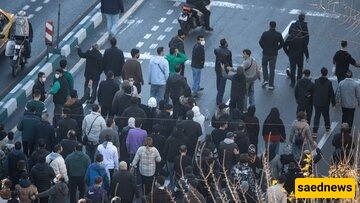
According to the Politics Desk of Saed News, Ali Rabiei wrote in Etemaad newspaper: The distinguishing feature of the current situation is the approach of Iran’s 14th government toward these protests. Unlike past practices, the government has moved toward recognizing civil dissent; this time, no one has been labeled a “rioter” or “troublemaker.” Instead, the government, with empathy, seeks dialogue and ways to improve conditions. Changes in language, behavior, and the consistent emphasis on restraint toward protesters signal an understanding that navigating the crisis is possible through conversation, not confrontation. President Pezeshkian’s insistence on direct dialogue with professional guilds, and subsequently with society at large, to address problems could become a new model in social governance.
Meanwhile, I view recent statements by Donald Trump and positions aligned with Benjamin Netanyahu as a malicious interference against democracy and the peaceful resolution of domestic issues in Iran. Both society and government must avoid falling into this trap, ensuring that dialogue—and even legitimate protest—remains guided by the Iranian public interest.
Trump’s recent remarks alongside Netanyahu are not merely rhetorical or a military threat. The message pursues two simultaneous objectives:
First, to heighten psychological and political pressure on Iranian society through a destabilization scenario;
Second, to project a desired image of Iran in global public opinion, legitimizing pressure, sanctions, and even threats.
This is a familiar pattern repeatedly observed in Iran’s history and in other developing nations. The United States has never acted in favor of indigenous democracy or gradual reform during critical junctures. Foreign interventions have typically weakened civil society rather than strengthened it, making reform more costly.
Israel’s goal in this context is also clear: a restless, exhausted Iran preoccupied with internal strife. Crucially, these interventionist messages are sent precisely when the Iranian government has chosen dialogue and tension reduction domestically. Such messages aim to deepen social divides, turning civil protest from a path of reform into a costly confrontation between citizens.
In these circumstances, the responsibility is heavier than ever. Protest is a societal right, but maintaining a clear boundary between domestic demands and foreign interference is essential for the survival of reforms and collective reason. For Iranian democracy to endure, solutions must emerge from social dialogue, economic and livelihood problem-solving, safeguarding civil liberties, policy reform, and rebuilding trust.









![Meet Clone Alpha: The Human-Like Robot Redefining the Limits of Technology [Video]](https://en.saednews.com/storage/files/post/e11a0fae-588f-44d1-bb15-fb9e7dbc1119-NlBIil6L8Kqqjlhn/circle-image.jpg)