Bruises are often seen as a normal response to a bump or injury, but those blue and purple marks on the skin can sometimes signal more serious underlying health issues.
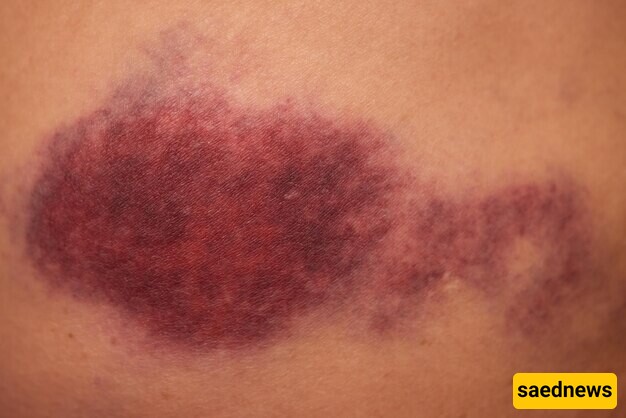
According to SAEDNEWS: citing Rokna, bruising, medically known as hematoma, refers to the accumulation of blood under the skin following damage to blood vessels. This damage can result from a blow, pressure, or injury, causing blood to leak from small blood vessels (capillaries) into the surrounding tissues. As a result, the affected area changes color, typically appearing blue, purple, or greenish-yellow.
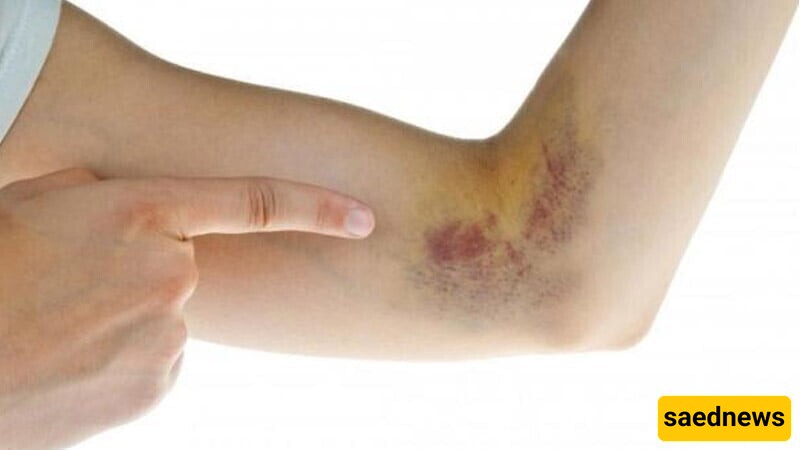
Bruises can be categorized into several main types, each differing in severity and location:
Superficial Bruise: This common type of bruising is due to minor injuries like surface blows to the skin. It usually resolves without significant pain and heals within a few days.
Deep Hematoma: This type of bruising occurs deep within tissues, even in muscles or internal organs. It can result from more severe pressure or serious accidents and may be accompanied by more intense pain.
Petechiae: These are small spots that result from the rupture of tiny capillaries and the leaking of blood into the skin or mucous membranes. They can be a sign of a more serious issue, such as blood disorders or allergic reactions.
To speed up the healing of bruises, consider these methods:
Use Ice: Immediately apply ice to the bruised area. This reduces inflammation and blood leakage into the surrounding tissues. Apply ice for 15-20 minutes and repeat every hour.
Warm Compress: After 48 hours, use a warm compress to improve blood flow and accelerate healing.
Topical Ointments: Ointments containing arnica or vitamin K can help reduce inflammation and improve bruising.
Elevate the Affected Area: If possible, keep the bruised area elevated above heart level to prevent blood accumulation
Bruises, although often harmless, can sometimes be a sign of more serious issues. Some conditions that may be associated with frequent or unusual bruising include:
Blood Disorders
Conditions such as hemophilia, thrombocytopenia, and coagulation factor deficiencies can lead to frequent bruising. In these cases, the blood does not clot properly.
Liver Diseases
Liver problems can reduce the production of clotting proteins in the body, resulting in abnormal bruising.
Blood Vessel Weakness
Some individuals have fragile blood vessels that are easily damaged, leading to multiple bruises without clear causes.
When to Seek Medical Attention
While bruises are generally harmless, they should be carefully monitored, especially if they occur without reason or frequently. If you encounter unusual or painful bruises, consult a doctor to identify any underlying causes. Home treatments such as ice, warm compresses, and topical ointments can help speed up recovery, but if bruises are frequent or appear without trauma, further medical evaluation may be necessary.