Russo-Iranian Space Cooperation Expands with Upcoming Satellite Missions; Zafar and Paya Satellites Set for 2025 Launch on Russian Soyuz Rocket

Tuesday, August 19, 2025  Read time1 min

SAEDNEWS: Iran’s space agency confirmed that its Zafar and Paya satellites will launch aboard Russia’s Soyuz rocket in late 2025, while progress continues on the new Chabahar Space Center and further satellite missions.
Russo-Iranian Space Cooperation Expands with Upcoming Satellite Missions; Zafar and Paya Satellites Set for 2025 Launch on Russian Soyuz Rocket

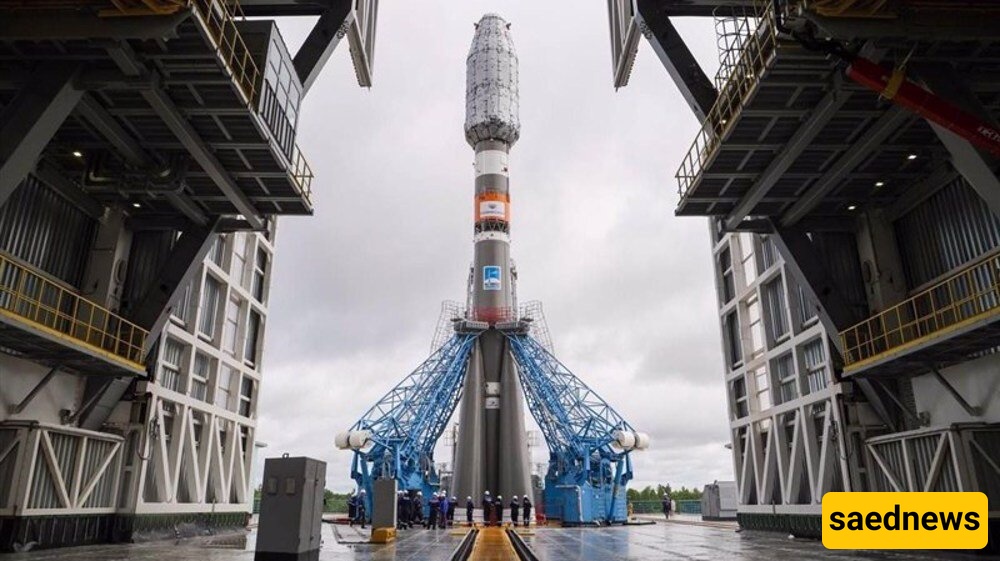
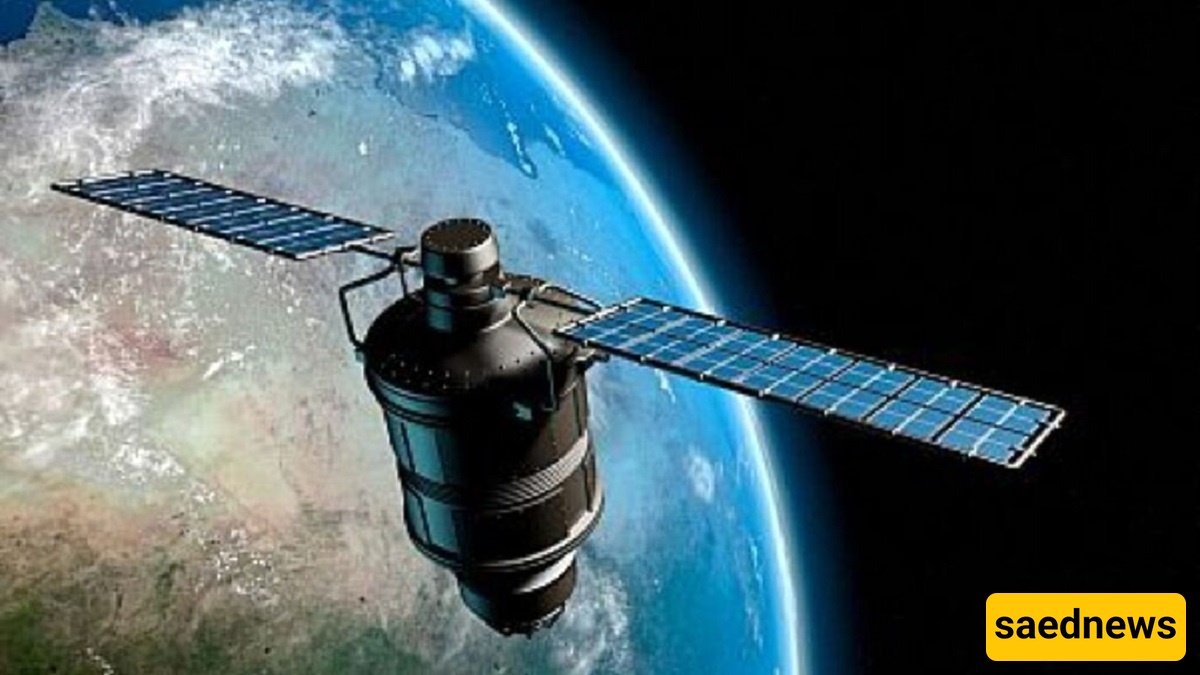
According to SAEDNEWS, the head of the Iranian Space Agency has announced that the country’s Earth-observation satellites Zafar and Paya will be launched into orbit aboard Russia’s Soyuz rocket in the fall of 2025, following delays caused by foreign partners.
The head of the Iranian Space Agency has announced that the country’s Earth-observation satellites Zafar and Paya will be launched into orbit aboard Russia’s Soyuz rocket in the fall of 2025, following delays caused by foreign partners.  Hassan Salarieh, head of the Iranian Space Agency, said on Monday the satellites—designed to provide color and black-and-white imaging services—were originally set for launch in 2024, but the schedule was pushed back after the foreign launcher was not ready. He noted that the final launch date will depend on the provider’s timetable, as other international payloads are set to be deployed on the same mission.  Salarieh confirmed that Iran is also keeping the option of a domestic launch under review, depending on technical assessments and the final timeline announced by the launch provider.  On infrastructure, Salarieh reported that the first phase of the Chabahar Space Center is nearing completion. The facility, designed for solid-fuel launch vehicles, includes administrative offices, telemetry and command centers, hangars, a launch pad, and supporting infrastructure such as power and roads. Construction began in 2023 and is expected to finish in 2025, with the base scheduled to become operational the same year.  “The timing of the first test launch depends on the readiness of both the launch vehicle and the satellite,” he said. “Once all necessary tests are completed, the exact date will be announced.”  He added that groundbreaking for the second phase of the project—dedicated to medium-class liquid-fuel launch vehicles—will take place this year.  Salarieh also said that another Nahid-2, a communications satellite, is slated for launch this year using Iran’s domestically developed Simorgh rocket.  On July 25, Iran successfully launched the domestically built research and telecommunications satellite Nahid-2 into a 500 km orbit aboard a Soyuz-2 rocket from Russia's Vostochny Cosmodrom.  The Nahid-2 satellite is a telecommunications microsatellite designed for telecommunication missions in low Earth orbit (LEO), generally defined as an altitude between 160 and 2,000 kilometers.  The Soyuz-2 rocket, a reliable workhorse of the Russian space program, carried Nahid-2 alongside other payloads, reflecting growing Russo-Iranian space collaboration.


Hassan Salarieh, head of the Iranian Space Agency, said on Monday the satellites—designed to provide color and black-and-white imaging services—were originally set for launch in 2024, but the schedule was pushed back after the foreign launcher was not ready. He noted that the final launch date will depend on the provider’s timetable, as other international payloads are set to be deployed on the same mission.

Salarieh confirmed that Iran is also keeping the option of a domestic launch under review, depending on technical assessments and the final timeline announced by the launch provider.

On infrastructure, Salarieh reported that the first phase of the Chabahar Space Center is nearing completion. The facility, designed for solid-fuel launch vehicles, includes administrative offices, telemetry and command centers, hangars, a launch pad, and supporting infrastructure such as power and roads. Construction began in 2023 and is expected to finish in 2025, with the base scheduled to become operational the same year.

“The timing of the first test launch depends on the readiness of both the launch vehicle and the satellite,” he said. “Once all necessary tests are completed, the exact date will be announced.”

He added that groundbreaking for the second phase of the project—dedicated to medium-class liquid-fuel launch vehicles—will take place this year.

Salarieh also said that another Nahid-2, a communications satellite, is slated for launch this year using Iran’s domestically developed Simorgh rocket.

On July 25, Iran successfully launched the domestically built research and telecommunications satellite Nahid-2 into a 500 km orbit aboard a Soyuz-2 rocket from Russia's Vostochny Cosmodrom.

The Nahid-2 satellite is a telecommunications microsatellite designed for telecommunication missions in low Earth orbit (LEO), generally defined as an altitude between 160 and 2,000 kilometers.

The Soyuz-2 rocket, a reliable workhorse of the Russian space program, carried Nahid-2 alongside other payloads, reflecting growing Russo-Iranian space collaboration.



Latest news  
Iran’s Response to the Anti-Iranian Action by Three European Countries: “The Security Council Should Reject Unjust Political Maneuvering” Is Donald Trump dead? U.S. Federal Court strikes Trump reciprocal tariffs illegal while social media erupts with death rumours of the U.S. President Reza Pahlavi, nicknamed Hasrat-ol-Saltaneh: If I become king, I will be a flying king, six months in Washington and six months in the Tehran palace! Speculation about Trump’s death; no news from the U.S. President for three days! Response of the Quds Force official regarding the safe exit of Ali Shamkhani from under the rubble and accusations against him Did Martyr Raisi Prevent the Installation of a 33-Meter Ferdowsi Statue at Ferdowsi University of Mashhad? Watch: Moment Australian politician, Bob Katter, raises fist at journalist!(VIDEO) Mother abducted her own child!(Spanish police hunt for boy continues) The Relationship Between Traditional Iranian Art and the Treatment of Mental and Emotional Disorders UN Security Council Confirms Europe’s Request to Reinstate Iran Sanctions Statement of the Iranian Foreign Ministry in Response to the European Troika’s Action on Activating the “Snapback” Mechanism Iran Nuclear Talks Resume as Russia and China Push for 6-Month Extension US Welcomes European Move to Restore UN Sanctions on Iran Minneapolis school attacker, Robin Westman, 'obsessed with the idea of killing children', officials say Claim of Three European Countries: Our Fundamental and Shared Goal Is That Iran Never Pursues “Acquisition or Development of Nuclear Weapons”