SAEDNEWS: Some Types of Infant Formula Are Designed to Support a Baby’s Immune System, and Choosing the Best One Requires Understanding Their Features
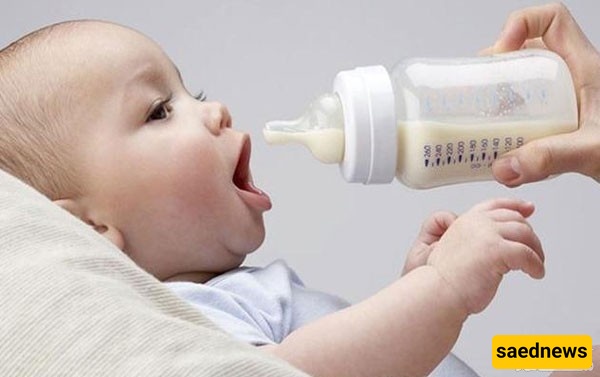
According to the Saed News Nutrition Service, are you looking for a suitable infant formula for your baby? Do you know what makes a formula appropriate for infants? If you want answers on how to choose the best formula for your child, this guide can help.
We know that breast milk is the best source of nutrition for newborns and offers many health benefits. However, there are times and specific situations when formula feeding becomes necessary. Infant formulas come in different types designed to meet the varying needs of babies.
Some formulas contain nutrients that help prevent harmful bacteria, reduce the risk of allergies, and support healthy growth and development.
Whole milk, cow’s milk, soy milk, and various other formula types are available in pharmacies. Some formulas are fortified with iron, while others contain essential fatty acids such as ARA and DHA.
Certain formulas are designed for babies with lactose intolerance, while others provide additional nutrients for infants with higher nutritional needs.
So, how can you choose the most suitable formula for your baby? First, it’s important to understand a few key principles about selecting the right infant formula.
To choose the best formula, you should be familiar with the different forms available. Infant formulas generally come in three types: ready-to-feed, powdered, and concentrated liquid.
1. Ready-to-Feed Formula
This type requires no mixing or measuring. Simply open the container and feed your baby. Ready-to-feed formulas are prepackaged in exact portions. Most hospitals use this type because it is safe, hygienic, and eliminates concerns about water contamination. However, once opened, it should be used within 48 hours.
2. Powdered Formula
Powdered formula is cost-effective and environmentally friendly. Preparing powdered formulas takes longer, and it is important to follow the instructions carefully.
3. Concentrated Liquid Formula
Concentrated liquid formula requires mixing equal parts of water and formula. Follow the instructions closely, as this type is slightly more expensive than powdered or ready-to-feed formulas.
There are formulas designed for infants with special nutritional needs or as supplements:
1. Cow’s Milk-Based Formula
Most formulas use cow’s milk as the main ingredient, with modified proteins to make digestion easier for babies.
2. Soy-Based Formula
Soy formulas use plant proteins that are modified for easier digestion. They are recommended for vegetarian families or infants who have trouble digesting other formulas.
3. Lactose-Free Formula
Lactose intolerance is rare in newborns, but lactose-free formulas are prescribed for those affected.
4. Hydrolyzed Formula
Hydrolyzed formulas break proteins into smaller parts to make digestion easier. These are recommended for infants allergic to standard formulas.
5. Metabolic Formula
For infants with specific medical conditions requiring tailored nutrition, a metabolic formula may be prescribed.
6. Hypoallergenic Formula
Hypoallergenic formulas usually contain hydrolyzed cow’s milk proteins, making them easier to digest for babies with sensitive digestive systems or cow’s milk protein allergies.
7. Anti-Reflux Formula
Some babies experience stomach reflux, causing spit-up. Anti-reflux formulas are thicker and can help reduce this issue, though they are slightly more expensive.
8. Formula for Premature Infants
Premature or low-weight babies (under 2.5 kilograms) require specialized formulas to help them reach a healthy weight.
9. Formula for Sensitive Infants
Babies with issues such as diarrhea, poor weight gain, skin sensitivities, or blood in the stool benefit from formulas specifically designed for sensitive infants.
10. Probiotic Formula
Formulas containing probiotics can meet all the nutritional needs of infants under six months. They include components like choline, fats, proteins, and nucleotides, closely resembling breast milk.
Before choosing a formula for your baby, consult a pediatrician. A specialist can assess your infant’s condition and recommend the most suitable formula based on their needs.