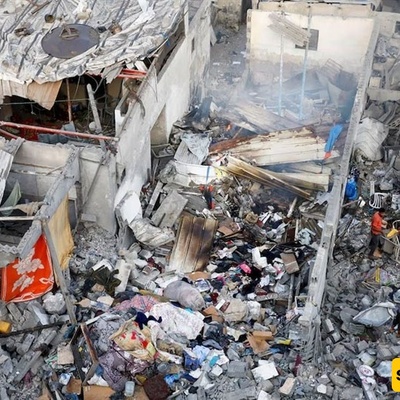
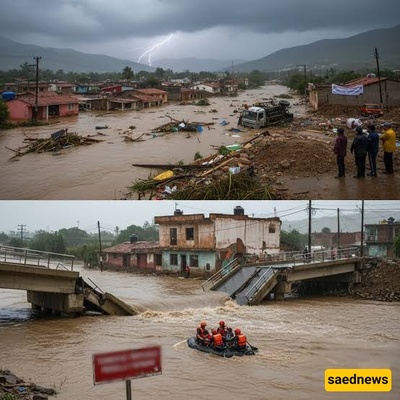
SAEDNEWS: When a loud explosion occurs, should we tell a child with full honesty and realism, “This sound comes from a missile or bomb, and the blast happened nearby,” or, to avoid frightening them, should we compare it to thunder or something similar?
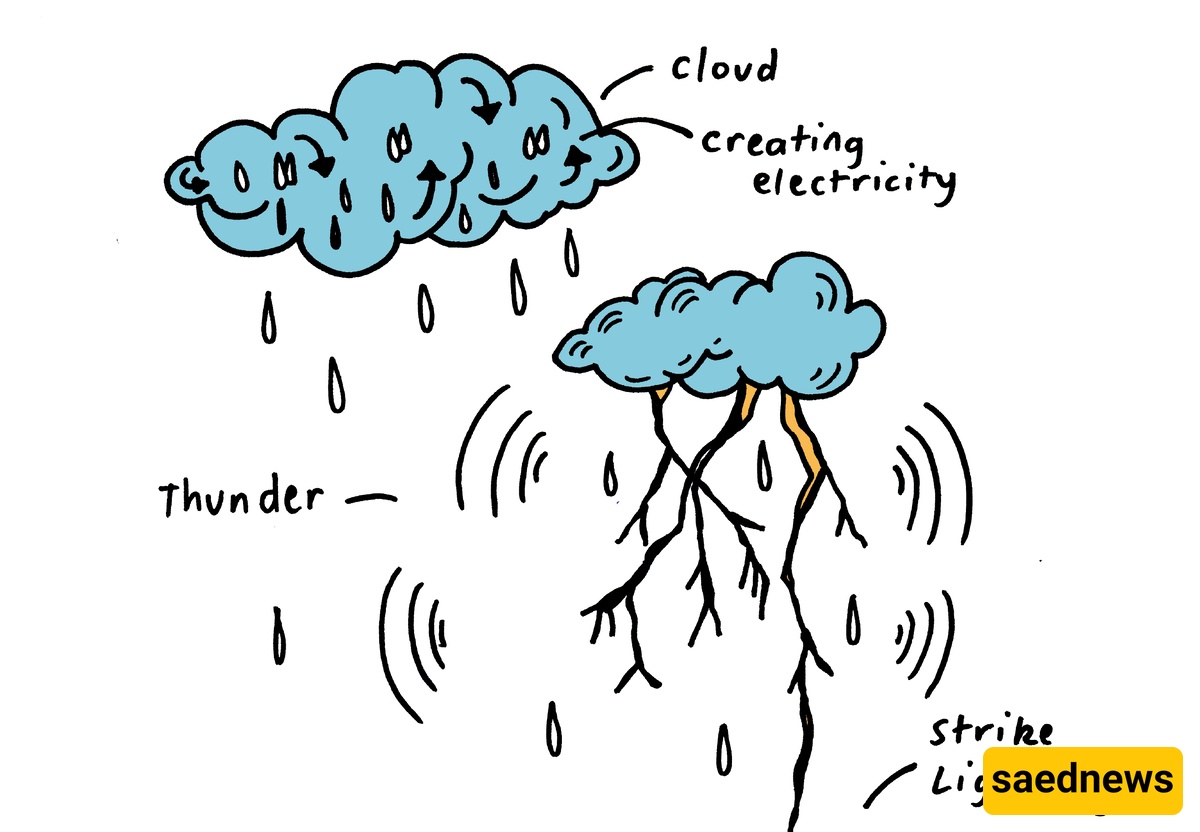
According to the Family Magazine section of SaedNews, parents often face a dilemma: should they explain reality to their child, or soften the truth with imagination to prevent fear? For example, when an explosion occurs, should we honestly tell a child, “This sound comes from missiles, bombs, and explosions nearby,” or should we attribute it to thunder and other familiar noises to avoid frightening them? Dr. Maryam Farzi, an educational expert, provides guidance.
Farzi emphasizes that “the first assumption is that parents should maintain control over themselves and show self-restraint in order to best support their children.” She adds, “It is not always necessary to describe reality exactly to children, especially younger ones, because they cannot fully understand events or analyze situations. Explaining reality directly can overwhelm them, causing more negative thoughts and feelings.”
Parents should adjust their explanations based on the child’s age. For instance, “For children aged 3 to 6, we can describe the sounds of explosions or war differently, such as presenting them as thunder or a storm, rather than stating the real cause directly.”
Farzi recommends teaching children simple calming exercises for moments of fear, such as deep breathing: inhale for three seconds, exhale for three seconds. “This technique helps children manage fear and calm themselves,” she says. It can even be turned into a playful activity—for example, asking children to “blow up a balloon and then let it go,” which indirectly practices controlled breathing while diverting attention from fear.
Another effective strategy is guiding children to visualize a safe space when frightening sounds occur. Encourage them to picture a calm and pleasant location, like a park, beach, or somewhere they have happy memories. Include sensory details like the sound of birds, ocean waves, or playful fish to redirect their mind to a peaceful environment. Farzi notes, “This type of visualization helps the child’s nervous system relax and shifts their focus from stress to calm.”
For older children and teenagers, it is possible to provide more realistic explanations. “You can explain that the country is experiencing a specific situation or that a conflict has occurred. You can also share stories about heroes, historical figures, and real-life personalities—both past and present—to inspire resilience and solidarity.”
Farzi stresses the importance of letting teens express their emotions: “Allow them to talk about their fears and concerns. Emotional release helps them cope better and overcome fear.”
Using repeated reassurance tailored to the child’s age is crucial. Remind them that you are together, that the situation is under control, and that life continues. Engage in simple games, share meals together, offer hugs, and talk with them before bedtime to reinforce a sense of security.
Farzi advises parents to avoid exposing children to emotionally charged or stressful news. Instead, guide them to understand that even if challenges exist, people are together, life continues, and they are safe.