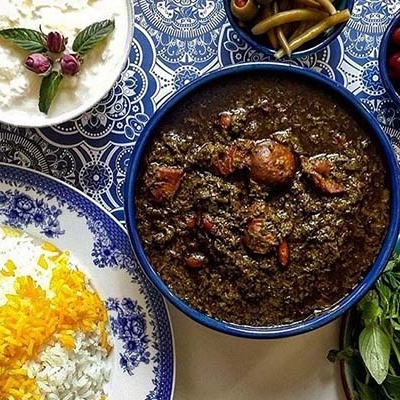
SAEDNEWS: Sholeh Mashki is a type of local cuisine from the city of Yasuj and the Kohgiluyeh and Boyer-Ahmad province. Residents of Yasuj typically prepare this delicious traditional dish with mung beans on cold, rainy days or for the Yalda Night celebration; for this reason, it is also called “rainy sholeh.”
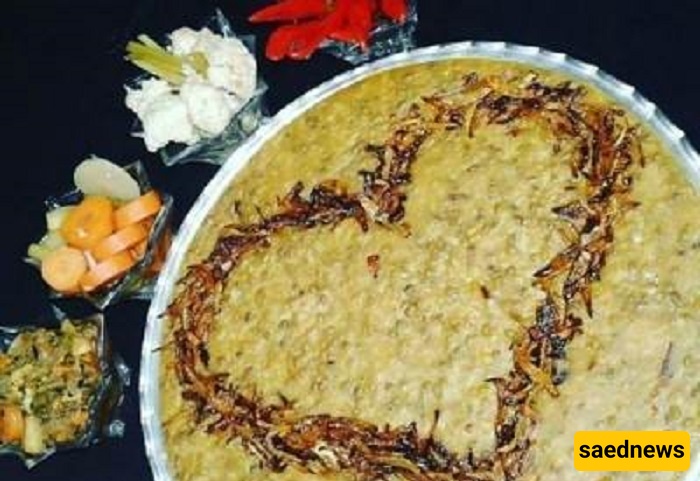
According to Saed News’ cooking section, Mashki Stew is a local specialty from the city of Yasouj and the Kohgiluyeh and Boyer-Ahmad Province. Locals usually prepare this hearty dish with mung beans on cold, rainy days for lunch or dinner—hence its nickname, “rainy-day stew.” Mashki Stew is also a traditional dish served during Yalda Night in Yasouj.
If you’re interested in exploring traditional regional dishes from across Iran, follow this guide to learn how to make Yasouji-style Mashki Stew.
Iranian rice: 1 French-style cup
Mung beans: 2 French-style cups
Ground sesame seeds: ½ French-style cup
Lamb fat (optional): ½ French-style cup
Wild leek (tareh kohi): ½ French-style cup
Onion (for fried onions): 1 medium
Cooking oil: as needed
Dried mulberries or powdered pomegranate seeds: as needed
Salt, black pepper, turmeric: as needed
Dried mint: for fried mint garnish
Bread, walnut kernels, fried garlic, and lemon juice: for serving
Preparation time for ingredients: 20 minutes
Cooking time: About 1 hour
Step 1: Prepare the ingredients
Slice the peeled onion into thin strips.
Wash the lamb fat and cut into small pieces.
Rinse the mung beans thoroughly.
Grind the sesame seeds into a fine powder.
Clean the wild leek and soak in water for 10 minutes to remove dirt. Repeat 2–3 times, then drain and chop finely.
Wash the rice and soak in salted water for 2 hours.
Step 2: Cook the mung beans
Place the washed mung beans in a pot with water, about one finger above the beans.
Bring to a boil over medium heat, then reduce heat and simmer for about 30 minutes until tender.
Step 3: Add the rice
Add the soaked rice to the cooked mung beans.
If necessary, add a little boiling water and stir.
Cook for another 30 minutes until the rice is soft.
Step 4: Sauté the lamb fat
Fry the chopped lamb fat over low heat.
Add salt, black pepper, and turmeric, and sauté until aromatic.
Step 5: Add wild leek and sesame
Add the chopped wild leek to the pan and sauté with the fat and spices.
Stir in the ground sesame seeds and cook for 5 more minutes.
Step 6: Combine with rice and mung beans
Transfer the sautéed mixture into the pot with rice and mung beans.
Stir thoroughly to blend the flavors.
Step 7: Fry the onions
Fry the thin onion strips in oil until golden.
Add a pinch of turmeric at the end for aroma.
Mix the fried onions into the stew.
Step 8: Add dried mulberries or pomegranate powder
Stir in dried mulberries or pomegranate powder and cook for 10 more minutes.
Final Step: Serve the Mashki Stew
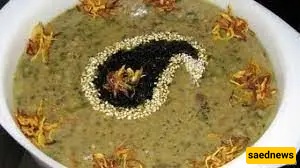
Once the stew reaches a thick, creamy consistency, remove from heat and serve.
Garnish with ground walnuts, fried mint, fried garlic, and fried onions.
Enjoy with fresh bread, lemon juice, and your favorite herbs.
If wild leek is unavailable, you can replace it with several cloves of garlic.
Fried mint can be added directly to the stew as well as for garnish.
Using more fried onions enhances the flavor.
Adding lamb fat, dried mulberries, or pomegranate powder is optional.
You can increase the amount of sesame for a nuttier taste.
Some recipes also include dried lime powder, tomato paste, wild thyme, or potato pieces.
How is Shirazi Mashki Stew made?
Shirazi Mashki Stew, also called “Sesame Mashki Stew,” is prepared the same way as the Yasouji version.
How is Afghan Mashki Stew made?
Afghan Mashki Stew is similar but includes oil, fresh or dried dill, tomato paste, grated garlic, yogurt with shallots, and spices like cumin, red pepper, and coriander seeds.
Unlike the Yasouji version, it does not include lamb fat, wild leek, mulberries, or pomegranate powder.