SAEDNEWS: Vanilla cake is one of the simple and popular international cakes, often used as a base cake. To see the complete step-by-step guide on how to make a soft vanilla cake, continue with SaedNews.
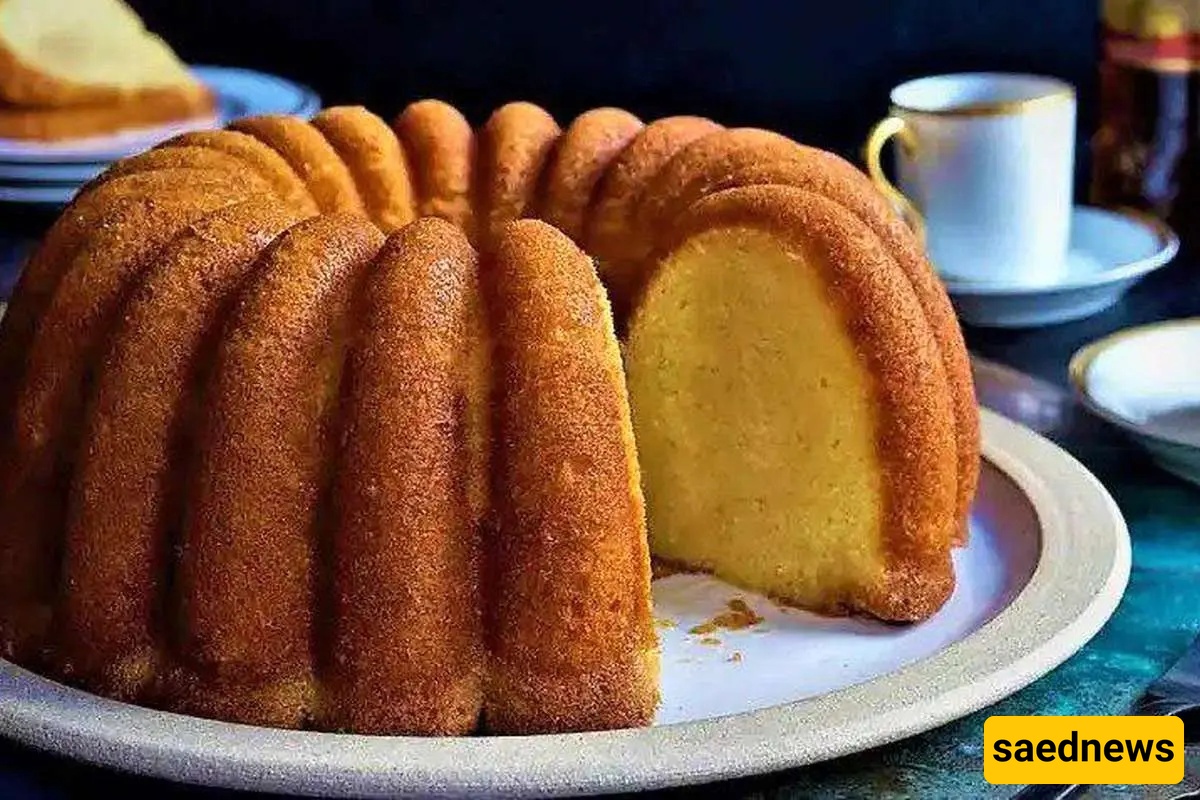
According to the Cooking Service of Saed News, vanilla cake is one of the most delicious yet simple cakes that you can prepare for afternoon tea or parties and enjoy with your family.
These days, many people use cake mix to make vanilla cakes, but this cake can be easily prepared with ingredients that are readily available, and the preparation process is usually quick and straightforward.
100 g butter, at room temperature
1½ cups flour
1 cup sugar
4 small eggs
1 teaspoon vanilla
½ teaspoon baking powder
1/8 teaspoon salt
½ cup breakfast cream
Before we start with the recipe, here are some important points about making different types of cakes:
Bring ingredients to room temperature: Remove all ingredients from the refrigerator at least 30 minutes before starting to allow them to reach room temperature.
Oven temperature and baking time vary: The temperature and baking time may differ between ovens. For example, if the recipe says 175°C for 45 minutes, it may not yield the same result in your oven. Don’t worry; after a few tries, you’ll learn what works best for your oven. Note that most recipes assume an electric oven. If you use a gas oven, increase the temperature by 10–20°C, but always adjust based on your own oven.
Prepare the oven in advance: Always preheat the oven before starting, so it is fully heated when the cake goes in.
Measure accurately: Use a digital scale and standard measuring cups, as precise measurements are crucial in baking.
Mix eggs properly: When beating eggs, stop occasionally to scrape the sides of the bowl so that no unwhipped egg remains; otherwise, even with vanilla, the cake may have an eggy smell.
Sift the flour: Always sift flour three times to aerate it and ensure a light, soft cake texture. Flour quality can vary, so adjust the quantity slightly if needed.
Do not open the oven early: Avoid opening the oven for at least the first 30 minutes; otherwise, the cake may collapse.
Choose the right pan size: The cake pan should leave about 1/3 empty space when filled with batter. It may take some practice to find the right size.
Pour batter evenly: Pour the batter into the center of the pan and spread it evenly to ensure uniform baking.
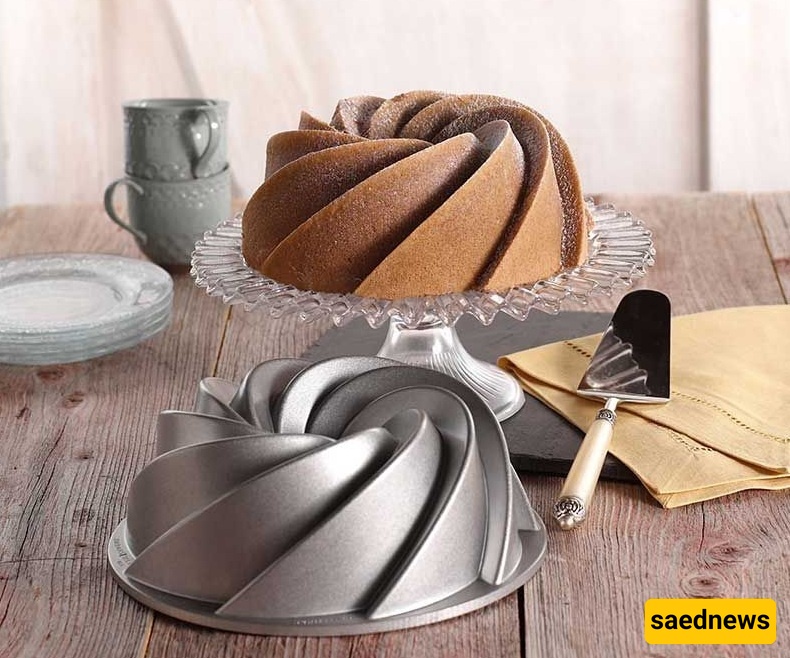
Select quality bakeware: Galvanized pans are recommended for their durability, availability, and reasonable price.
Use high-quality ingredients: Poor-quality ingredients can result in a dense or tough cake even if all steps are followed correctly.
Preheat the oven about 20 minutes before baking. If you forget, you can start at a lower temperature and then adjust to the recipe’s suggested temperature.
Beat room-temperature butter with an electric mixer until light and fluffy. Add sugar and mix for about 5 minutes.
Add eggs one at a time, mixing each for 1–2 minutes, and include the vanilla.
Mix flour, baking powder, and salt together. Gradually add to the batter, mixing lightly with the electric mixer—just enough to combine. Divide the flour into two parts; mix one part with baking powder and salt, keeping the other aside in case not all is needed.
After adding half the flour, add the cream and mix lightly. Then add the remaining flour.
Line the cake pan with parchment paper or grease with solid fat. Pour in the batter, tap the pan gently to release air bubbles, and bake in the middle rack at 180°C for 50 minutes. Test doneness by inserting a toothpick; if it comes out clean, the cake is ready.
After baking, turn off the oven and leave the cake inside for a few minutes with the door open to prevent it from collapsing. Avoid placing it immediately on a cold surface or in a draft.
Once slightly cooled, loosen the edges with a spatula or knife and transfer the cake to a wire rack to cool completely. A wire rack can be plastic or metal and can be purchased from baking supply stores.