SAEDNEWS: History is full of unknowns, and for some reason, as humans we tend to focus more on mysterious phenomena than on undeniable facts. In this article, you will encounter events that scientists still have not been able to explain.
According to Saednews, History is full of unknowns, and for some reason, we as humans tend to focus more on mysterious phenomena than on undeniable facts. In this article, you will see events that scientists still cannot explain. From a 2,000-year-old body with hair and eyelashes still intact, to a manuscript that no one can understand, this is a look at the unexplainable side of history.
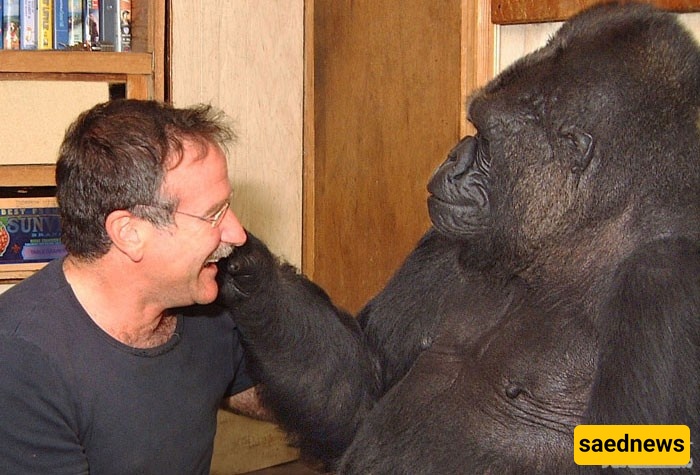
The famous gorilla Koko learned sign language and could communicate with humans. In an interview, her trainer Francine “Penny” Patterson was asked how deep her conversations with Koko were.
Patterson said that Koko once had a conversation about death. She was shown a skeleton and asked whether it was alive or dead. Koko signed “dead, draped” (meaning covered or lifeless). When asked where animals go when they die, Koko replied: “a comfortable hole,” and then sent a goodbye kiss. Her response surprised many people and raised further questions.
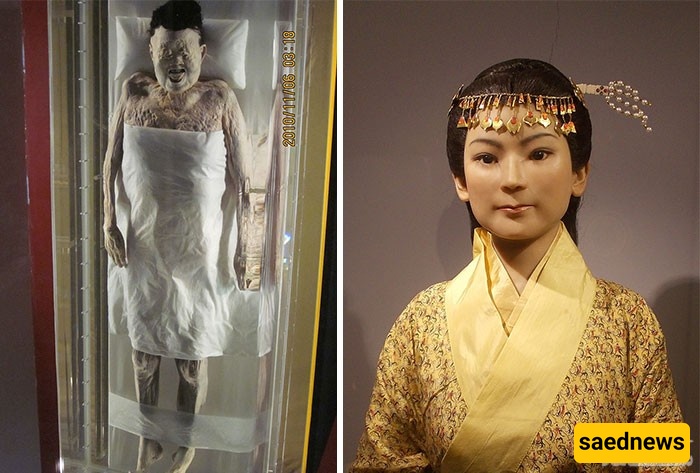
Lady Dai, the wife of Li Cang, was a noble figure during China’s Western Han Dynasty. Her tomb was discovered 2,000 years after her death inside a hill in China, along with thousands of valuable artifacts and documents.
What astonished researchers most was her remarkably well-preserved body. Her organs were intact, and even her blood vessels still contained some blood with type A blood. She still had hair and eyelashes.
Melon seeds found in her stomach suggested she died in summer, shortly after eating melons. Scientists also discovered an unknown liquid surrounding her body—slightly acidic and containing magnesium—but its exact nature remains unexplained.

Imagine waking up one day and suddenly becoming a musical genius without ever practicing. This is what reportedly happened to Derek Amato.
In October 2006, Amato suffered a severe head injury in a car accident, losing about 35% of his hearing and part of his memory. However, afterward he developed an extraordinary musical ability and became a composer.
He described seeing black-and-white patterns in his mind that moved like flowing musical notes. Doctors believe his case may be related to acquired savant syndrome, although such extreme cases are extremely rare.

Every year from September to March, a storm cloud named Hector forms every afternoon over the Tiwi Islands in Australia.
Hector is one of the most consistent thunderstorm systems in the world. It was named by a World War II pilot and continues to be studied by meteorologists. Despite extensive research, scientists still do not fully understand why it forms so regularly each day.

A century-old motorcycle was discovered inside a wall after being hidden for 40 years—and astonishingly, it still works.
What makes this discovery even more puzzling is not only its long concealment but also its unusual design, which has confused collectors who cannot understand why anyone would hide such a machine inside a wall.
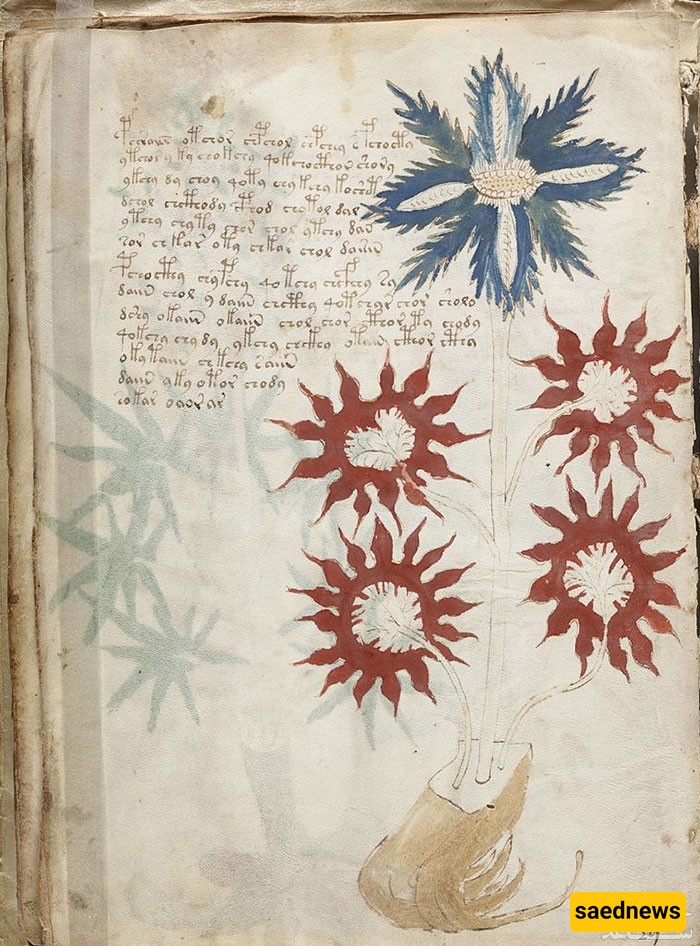
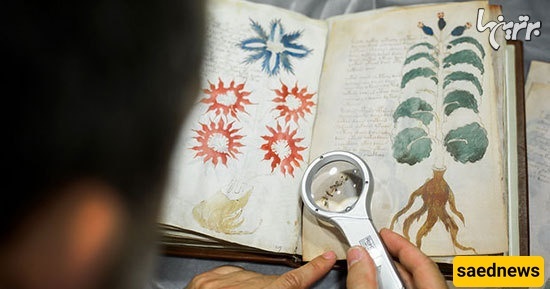
Around 500 years ago, a mysterious manuscript was written in an unknown language and script by an unidentified author. It was purchased in 1912 by Wilfrid Voynich, a book collector.
The manuscript is believed to have been written in northern Italy, but nothing is certain. Linguists and cryptographers, including experts from both World Wars, have tried to decode it, but no one has succeeded.
It contains 272 pages, and some researchers suggest it might be a medical book focused on women’s health, but this remains only a theory.
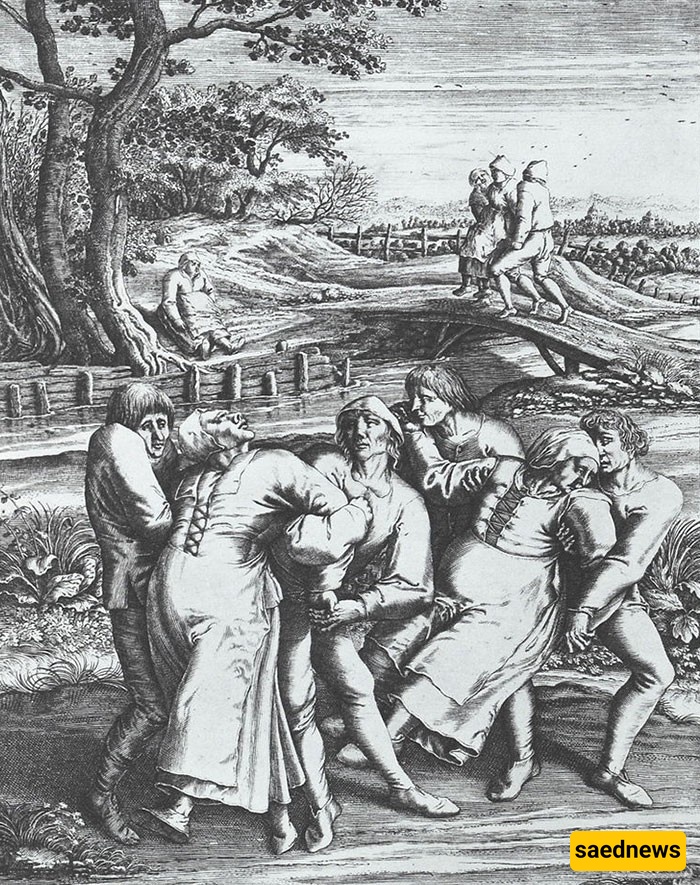
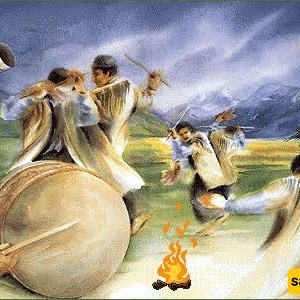
In 1518, a strange outbreak known as the Dancing Plague occurred in Strasbourg.
Around 400 people were affected and began dancing uncontrollably without rest. Some died from heart attacks, exhaustion, or strokes. It all began when a woman named Frau Troffea started dancing in the street on July 5, 1518.
Soon, dozens joined her, and the number grew to about 400. At its peak, around 15 people were dying per day. Authorities, believing it was not supernatural, even built wooden stages and encouraged dancing as a supposed cure. The true cause of this epidemic remains unknown.
Despite numerous claims, the tomb of Cleopatra—one of history’s most famous women—has never been found.
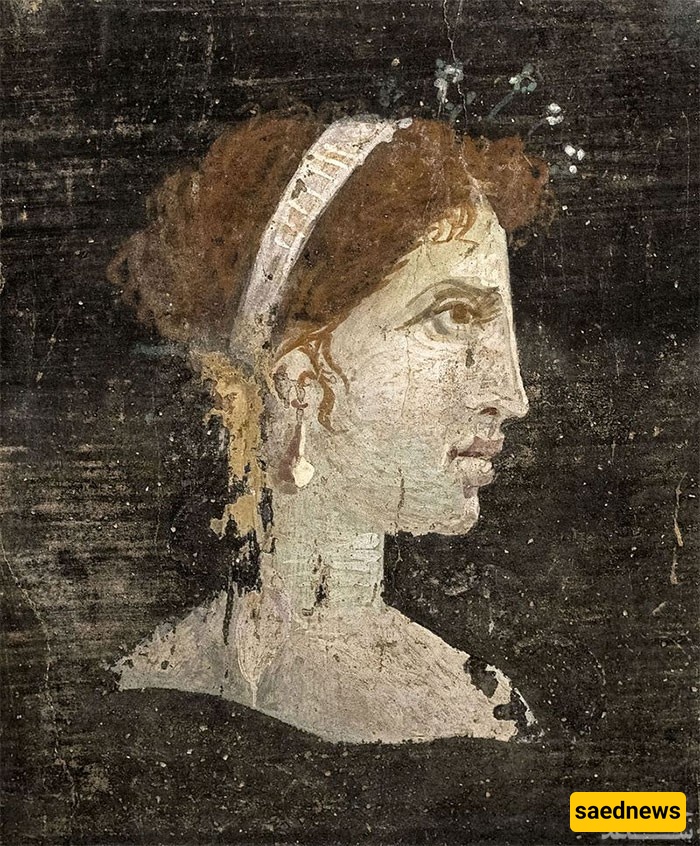
It is believed she may have been buried alongside her lover Mark Antony, as ordered by Octavian for a grand burial. However, their final resting place remains unknown.
Cleopatra is not the only historical figure with a lost tomb; others such as Mozart and Genghis Khan are also believed to be buried in unknown locations.