SAEDNEWS: Many Women Workers Were Repeatedly Harassed by Employers but Remained Silent Due to Fear of Losing Their Lives and Jobs
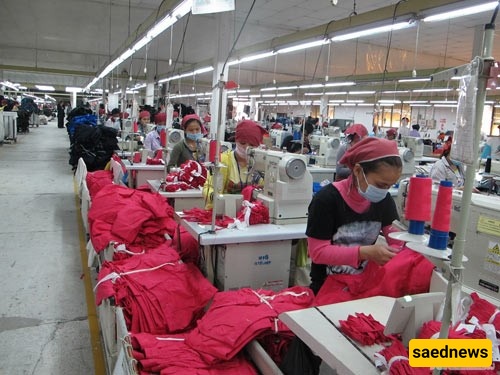
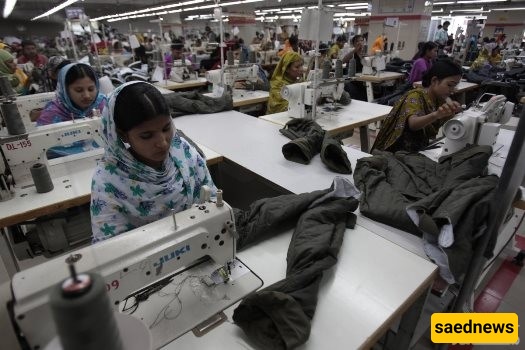
According to Saed News, citing Young Journalists Club, it is likely that you also have at least a few items of clothing in your wardrobe from well-known global brands as well as inexpensive fashion labels—from H&M and Zara to Mango and GAP. What many people may not know is that most of these garments are produced in cramped, poorly lit factories with no basic health or safety standards, amid cockroaches, rats, and ants.
In these factories, women and underage girls often work long hours—sometimes up to 16-hour shifts—sweating under intense pressure for minimal wages. As if this suffering were not enough, many of these workers are repeatedly subjected to sexual harassment or physical violence by supervisors and employers. They are threatened that if they refuse demands, even their meager income will be taken away.
There are no labor unions, no firm contracts, and often no meaningful family support—especially since many families remain deeply traditional and unwilling to defend abused women and girls. These workers have nowhere to turn.
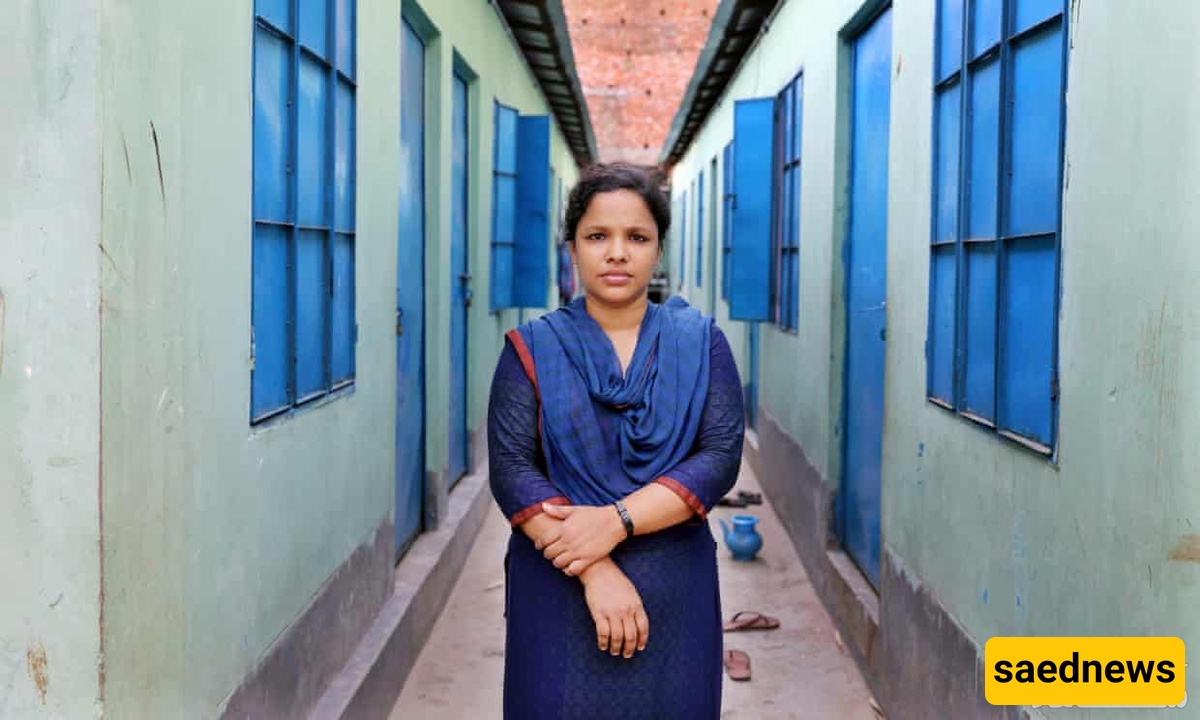
But for some of these women, patience eventually runs out. Dali Akhtar is one such worker in Bangladesh’s garment factories serving Western fast-fashion brands. She was only sixteen when a married supervisor—old enough to be her father—raped her. Instead of remaining silent, Akhtar spoke out. She encouraged other women to demand the formation of a labor union. When factory management discovered her activities, she was beaten, detained for hours inside the factory, and forced to sign a resignation letter waiving all unpaid wages before being released.
Supervisors and factory owners did not stop there. They warned other factories not to hire her, effectively blacklisting her. Yet Akhtar refused to give up. She began traveling from workshop to workshop, speaking to women workers during commutes, urging them not to accept injustice and to unite against exploitation.
Bangladesh has more than 4,200 garment factories, employing around 2.5 million workers, most of whom are women and underage girls. A study by ActionAid found that 80 percent of these women had either experienced sexual harassment or physical violence themselves or witnessed it happening to others.
Today, Akhtar is among a small group of women leading a grassroots labor movement in Bangladesh. After being dismissed in 2015, she joined one of the few labor unions in the country and now works as a full-time activist. These women fight on multiple fronts. Their struggle is not only against weak labor laws but also against a deeply rooted social culture that shames and silences women who speak out.
Even when they succeed in exposing abusive supervisors or securing compensation for victims, survivors often face further humiliation or rejection from their families and communities. In many cases, they are socially isolated for speaking out.
Union activists often meet abused workers in secret. To pursue legal action against employers or harassers, women must report their cases to the police—one of the most difficult steps in their journey, as it requires breaking long-held silence.
Akhtar and her fellow activists face constant threats, including death threats and intimidation aimed at stopping them from encouraging women to file complaints. Some are harassed at home to damage their reputations and discourage their activism. Many struggle to find employment again.
Despite this, they persist.
The low-cost garment industry is one of the main pillars of Bangladesh’s economy. As a result, the government often avoids imposing strict labor regulations, fearing that multinational companies may relocate production elsewhere, harming the national economy. This economic dependency means that meaningful improvements in workers’ conditions are often neglected.
Perhaps the next time we buy clothes or shoes from global fast-fashion brands, we should pause for a moment and think about the women behind them—their suffering, their struggle, and their uncertain future. That reflection alone might change the way we choose to consume.