SAEDNEWS: For someone accustomed to sprinkling the warm, bitter aroma of crisp beans into their daily life, there is nothing harder than asking them to “drink less from your cups.”
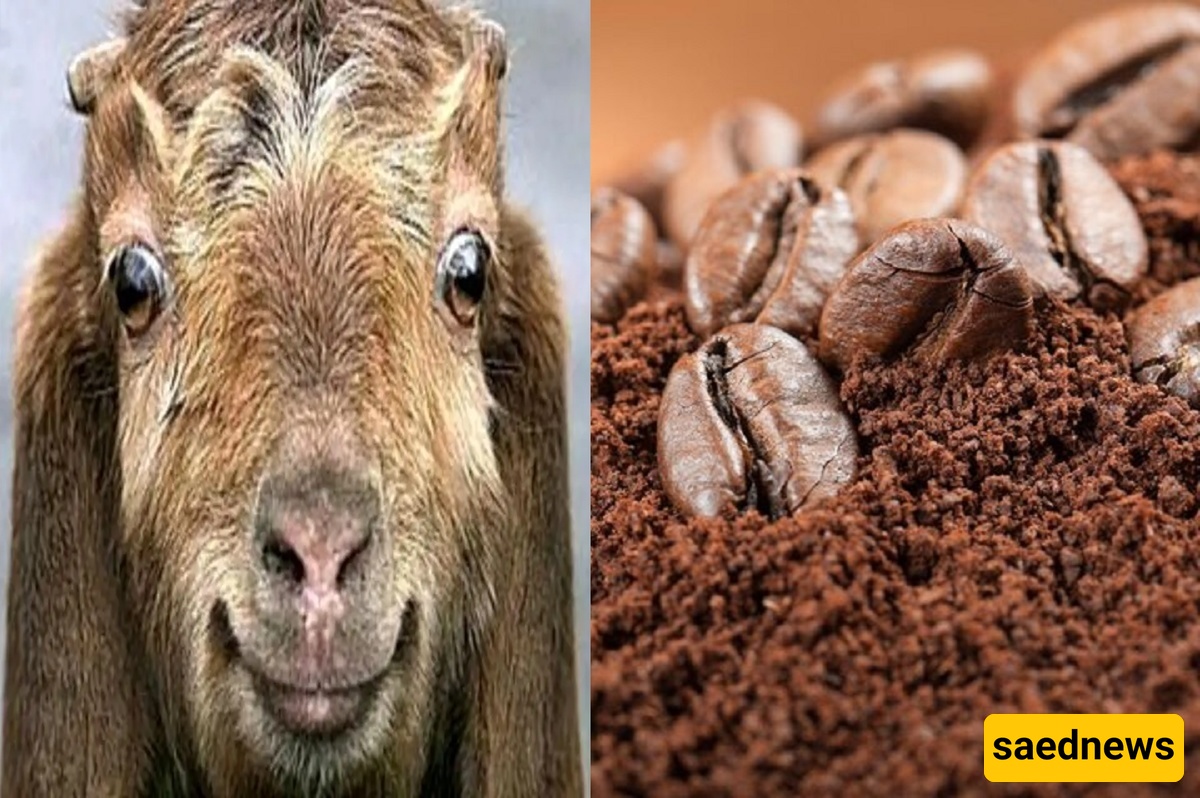
According to the social news service of SaedNews, it all began with the curious wanderings of a herd of Ethiopian goats! Kaldi was a goat herder from Kaffa, living in the 9th century. One day, he noticed a lush patch of land perfect for grazing. Without telling anyone in Kaffa, he took his goats there to graze for a few days. On the third day, something strange happened: his goats wouldn’t sleep at night!
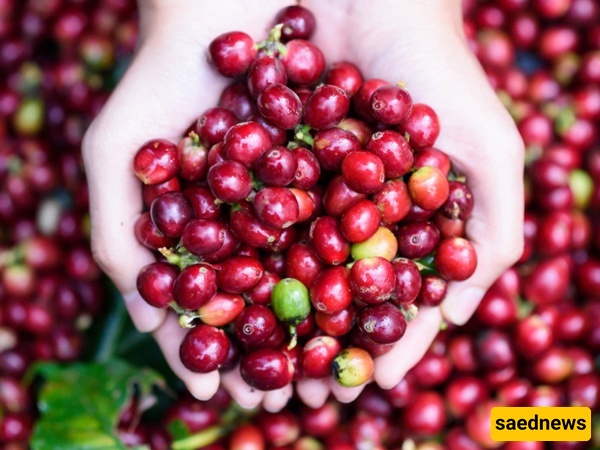
Kaldi had no idea what had energized them so much. On the fourth day, he decided to sit among them and discovered that they were eating small red berries resembling tiny fruits. The only thing that came to his mind was to collect some of these berries and take them to a monk in Kaffa. After hearing the story, the monk brewed the berries, and when they drank the infusion, they felt so energized that the secret of the land and these berries—later called “coffee”—was gradually revealed to everyone.
Coffee: The Bean That Awakens
Centuries have passed since Kaldi and his goats, and coffee beans have traveled winding roads—by land and air—to reach our cups. Its “caffeine” has long captivated us, a stimulant recognized for boosting energy and fighting fatigue. Drinking coffee triggers dopamine release through a complex biological process, giving a sense of reward and pleasure.

The “Devil’s Bitter Brew”
Beyond its feel-good effects, coffee has long been credited with health benefits—from controlling type 2 diabetes, boosting energy, and aiding weight loss, to protecting against liver cirrhosis, relieving pain, and potentially reducing the risk of Parkinson’s. Yet, the same “magical cup” that influenced European revolutions through coffeehouse gatherings in the 16th–18th centuries—dubbed the “Devil’s bitter invention” by clerics—can also pose risks, according to recent research.

Watch Your Lungs
A 2024 meta-analysis on coffee and cancer found a significant link between high coffee consumption and an increased risk of lung cancer. Each additional cup per day raised the risk by approximately 6%. Consider your daily intake and the cumulative effect over time.

Mind Your Blood Vessels
Research in 2025 examined bioactive compounds in coffee, such as chlorogenic acid, and their effect on vascular endothelial function. The findings were surprising: a compound known as HHQ in coffee can impair endothelial function even in the short term if consumed excessively. Overindulging in coffee could therefore pose real risks to vascular health.
Enjoy Moderately
For those accustomed to the daily aroma of roasted coffee beans, asking to “cut back” can feel as impossible as taking a baby from its mother’s chest—bitter, challenging, and deeply resisted. But health matters. As Amr ibn Ibrahim recounts, Imam Kazim (peace be upon him) said: “If people are moderate in their food, their bodies will remain strong and healthy.” Moderation doesn’t mean giving up your beloved coffee—it means drinking mindfully for the sake of your wellbeing.

Could This Beloved Brew Harm You?
Excessive coffee consumption isn’t trivial. A 2024 study presented at the American College of Cardiology conference found that chronic caffeine intake—more than 400 mg per day, roughly four cups—can steadily increase heart rate and blood pressure, ultimately raising cardiovascular risk in healthy individuals.
The choice is yours: will this adventurous, bitter cup become a silent threat, or will you embrace it with mindful moderation?





















![Meet Clone Alpha: The Human-Like Robot Redefining the Limits of Technology [Video]](https://en.saednews.com/storage/files/post/e11a0fae-588f-44d1-bb15-fb9e7dbc1119-NlBIil6L8Kqqjlhn/circle-image.jpg)