SAEDNEWS: 20 years have passed since the construction of the 'Mutable Destiny Mitaka' apartment, yet it remains one of the most mysterious experiences in the field of residential architecture.

According to SAEDNEWS, 20 years after completion, the "Mutable Destiny Mitaka" apartments, built in memory of Helen Keller, remain one of the most mysterious experiences in residential architecture.
This nine-unit complex, designed by artists and architects Shusaku Arakawa and Madeline Gins in the Tokyo suburbs, focuses on simultaneously activating both the body and mind. It was designed as a house "for not dying"—a house that continuously engages and stimulates its inhabitants.
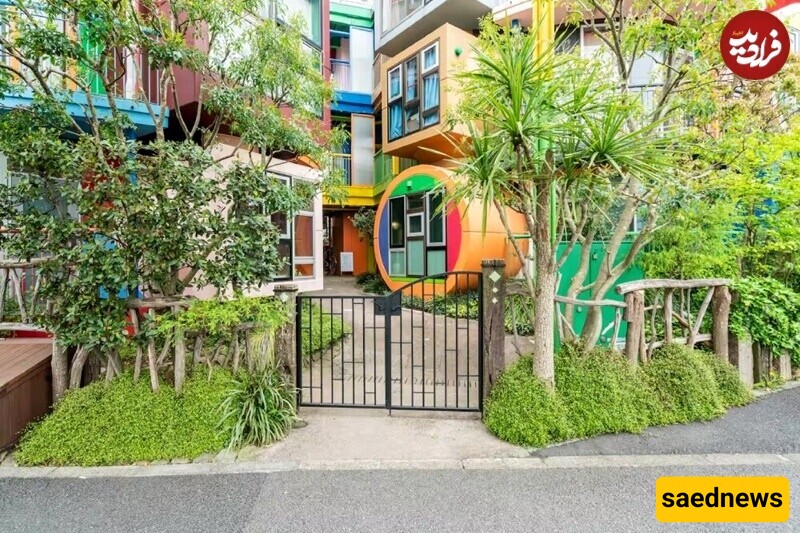
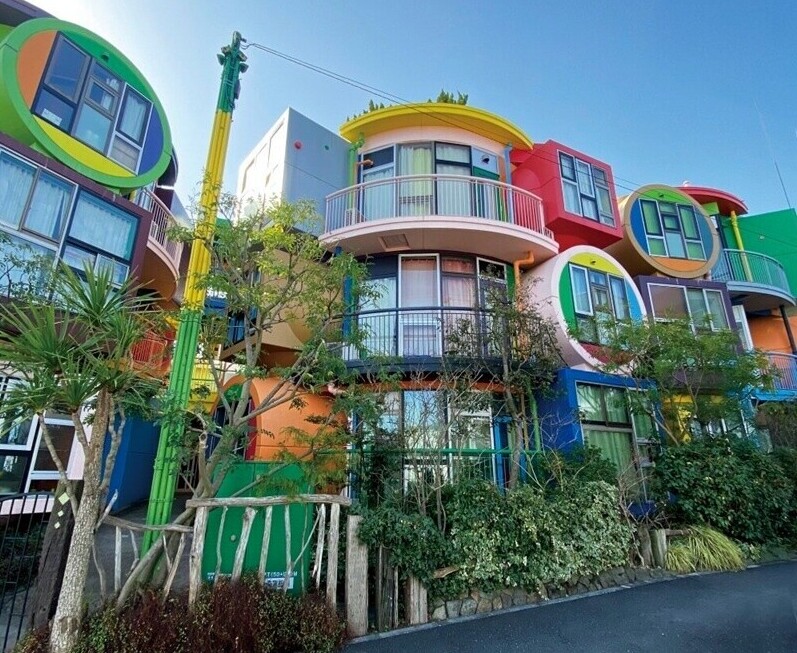
According to Faradeed, the project consists of three main geometric shapes: cubes, spheres, and tubes. These shapes are irregularly intertwined. The structures, which the author Setochi Jakouchi affectionately calls the "house of non-aging and non-mortal," are painted in 14 different colors both inside and outside and consist of spatial irregularities. Together, these elements reflect the belief of the two architects in reactive environments that strengthen the physical and mental adaptability of their residents from childhood to old age.
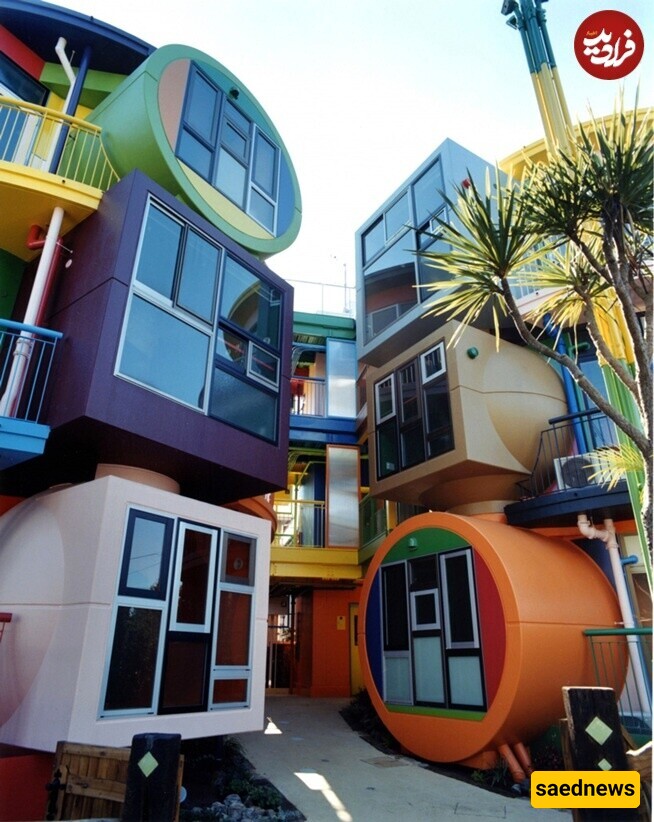
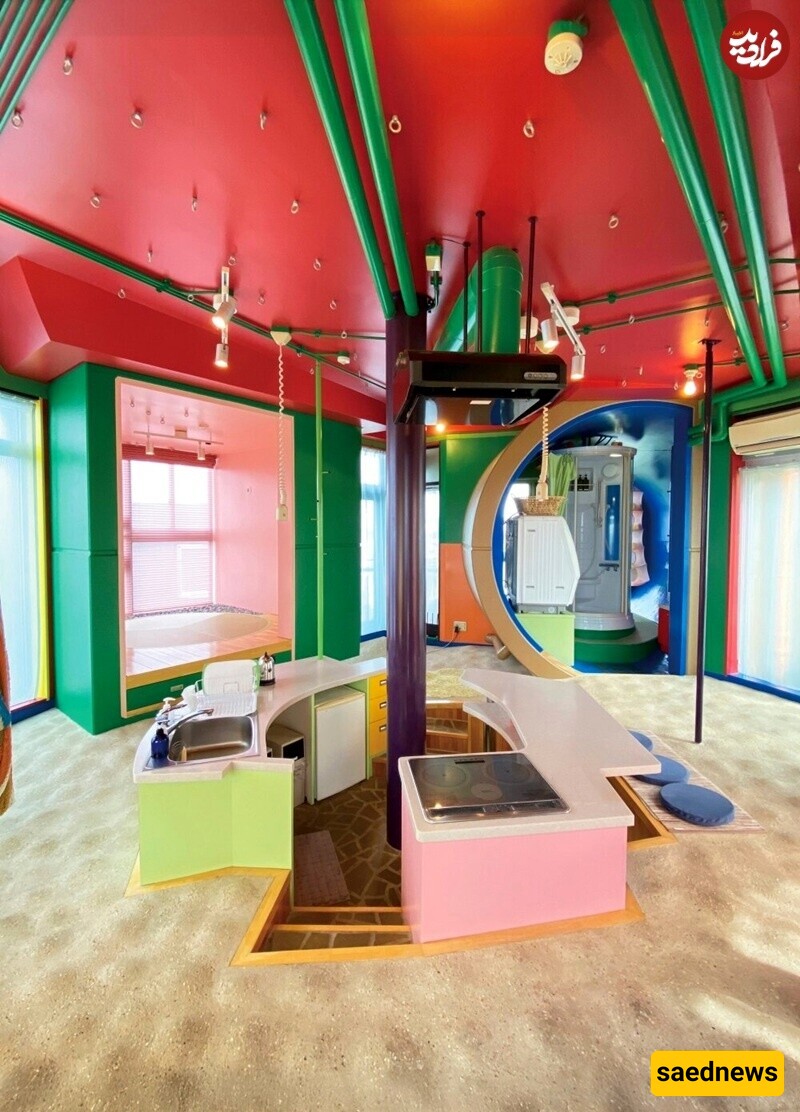
The Mitaka apartments were their most ambitious attempt to convert this philosophy into form. Since their opening in 2005, these spaces have continued to function as residences, educational spaces, and cultural venues, with the option to book a unit through Airbnb. Additionally, a series of new public programs and events, including a retrospective exhibition, will be held for their 20th anniversary.
The interiors are just as challenging as the playful and almost unrestrained appearance of the buildings. From the uneven heights in the flooring that encourage intuitive movement to varying ceiling heights, sudden drops, vertical poles, and saturated color surfaces, every detail is designed to disrupt typical movement and perceptual patterns, keeping the body awake and the mind alert. Shusaku Arakawa and Madeline Gins once stated that destiny is not fixed, but something that can be constructed with the help of spatial experience. Therefore, the "Mutable Destiny Mitaka Apartments" distance themselves from neutrality with standardized architecture to encourage active and continuous participation between users and their environment in unexpected forms.
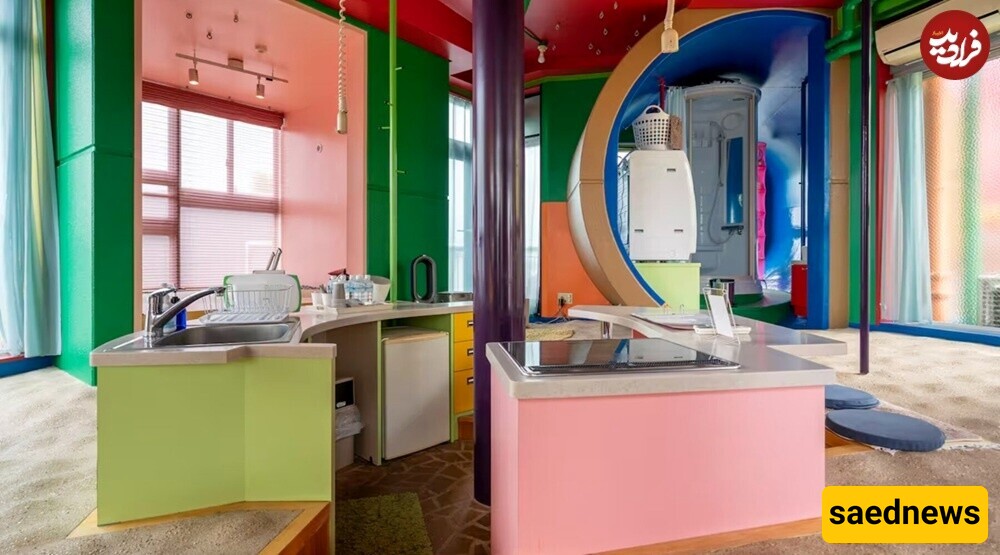
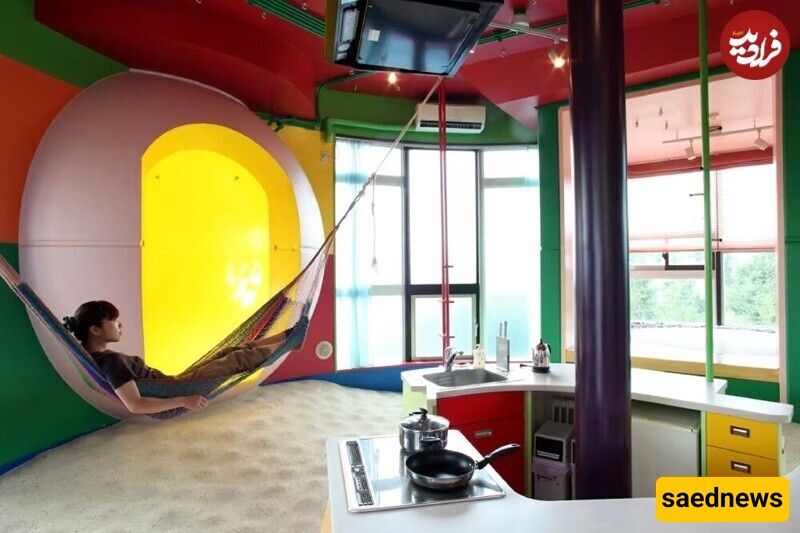
Although the outward grandeur of these apartments often resembles playgrounds or postmodern fantasies, their impact lies in their theoretical goal. This project, designed with the aim of building a "house for not dying," is based on the bold belief that architecture can act as a tool to challenge death itself. Arakawa and Gins developed a philosophy called "methodological architecture," in which the built environment is considered an active catalyst for cognitive and physical transformation. Therefore, the goal of this typology is to stimulate the senses by offering the possibility of discovering the full potential of the body and experiencing challenging environments.
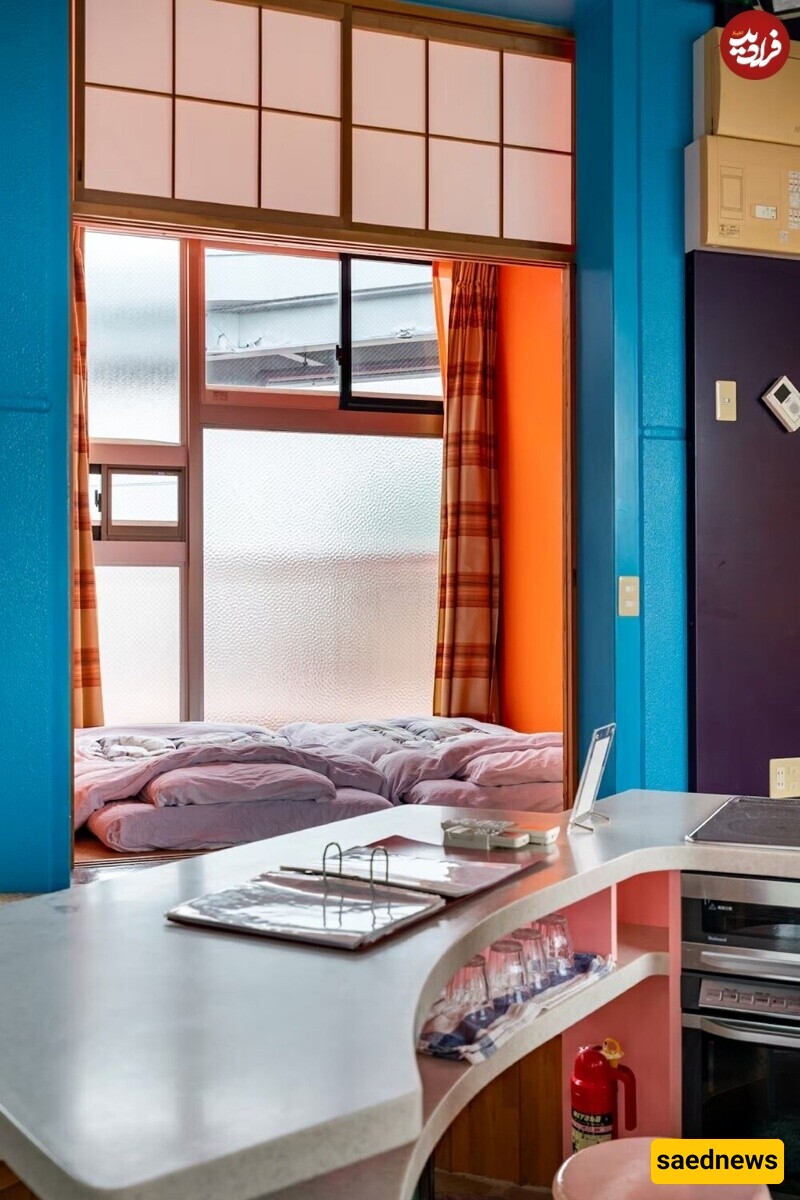
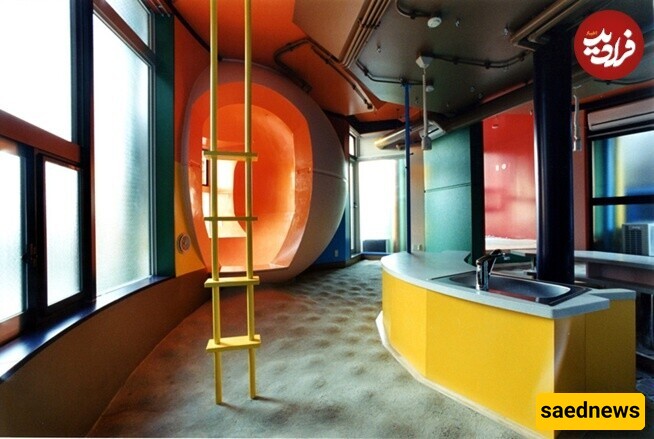
The relationship between the body, mind, and space becomes an inseparable part of this idea, and the experience of climbing, bending, and rebalancing reveals the true purpose of architecture. This connection takes into account the individual needs of all ages, lifestyles, and physical abilities. Some configurations may be more suitable for children, while others are designed for adults. In this way, the architecture considers and acknowledges individual differences. This encounter with physical limitations is the core of the "Mutable Destiny" apartment philosophy. As the body changes with age or condition, the architecture remains dynamic.
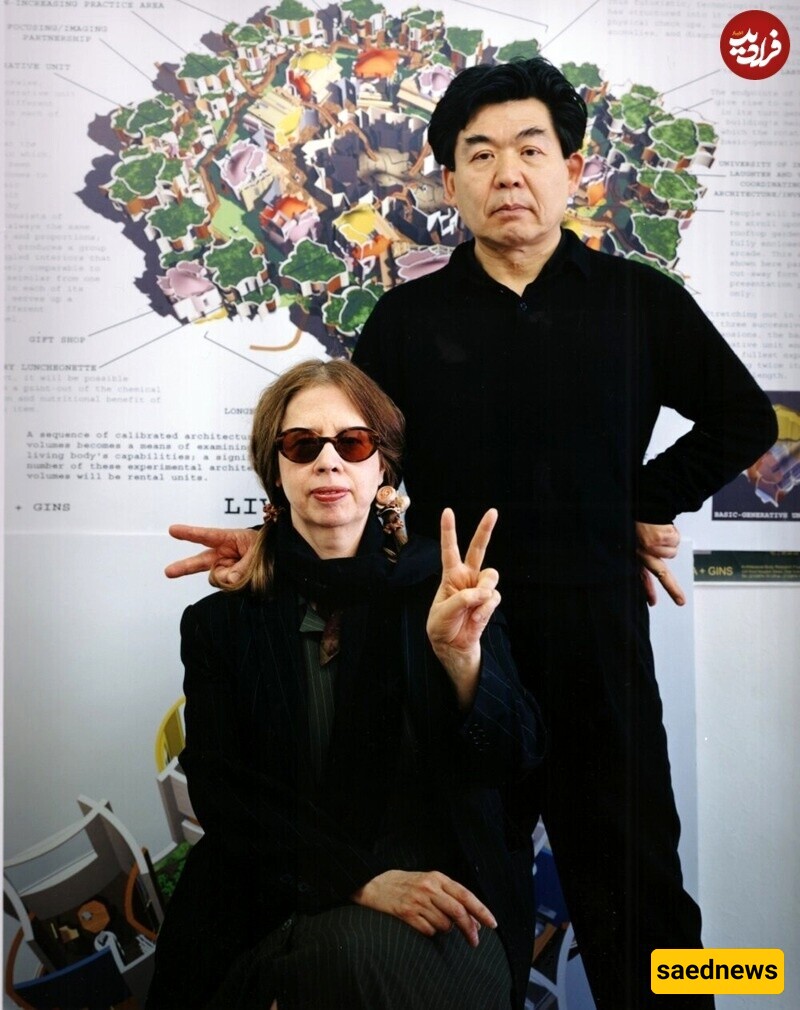
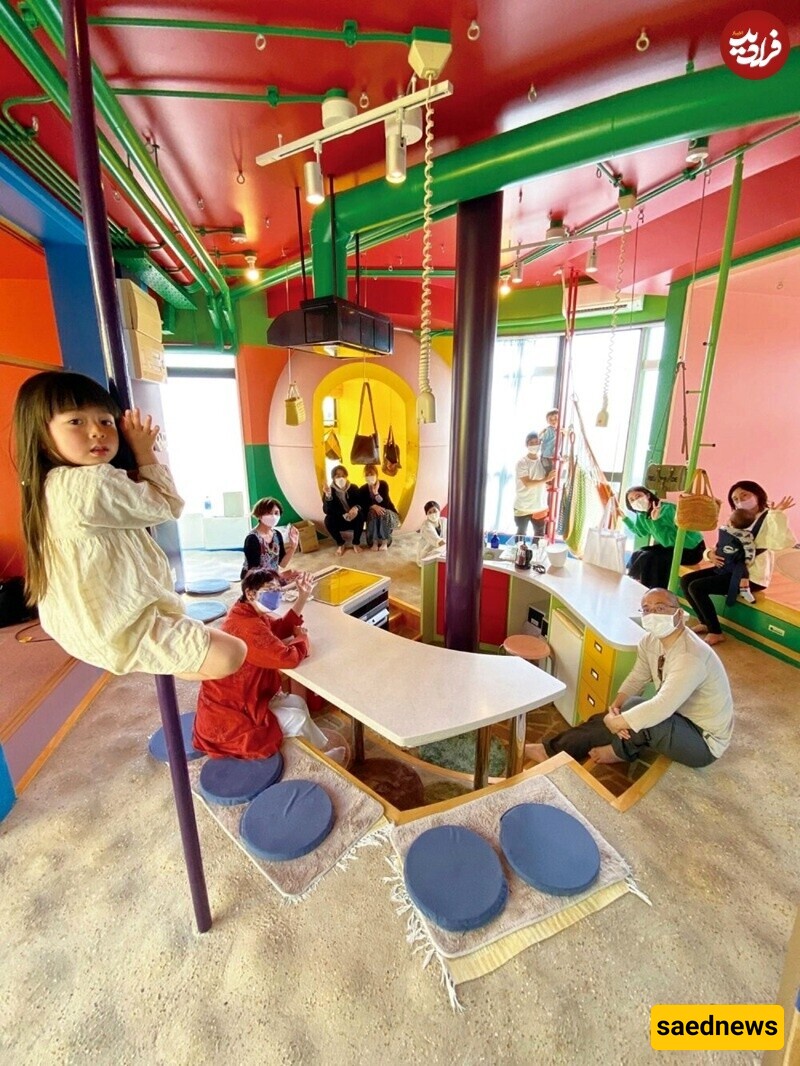
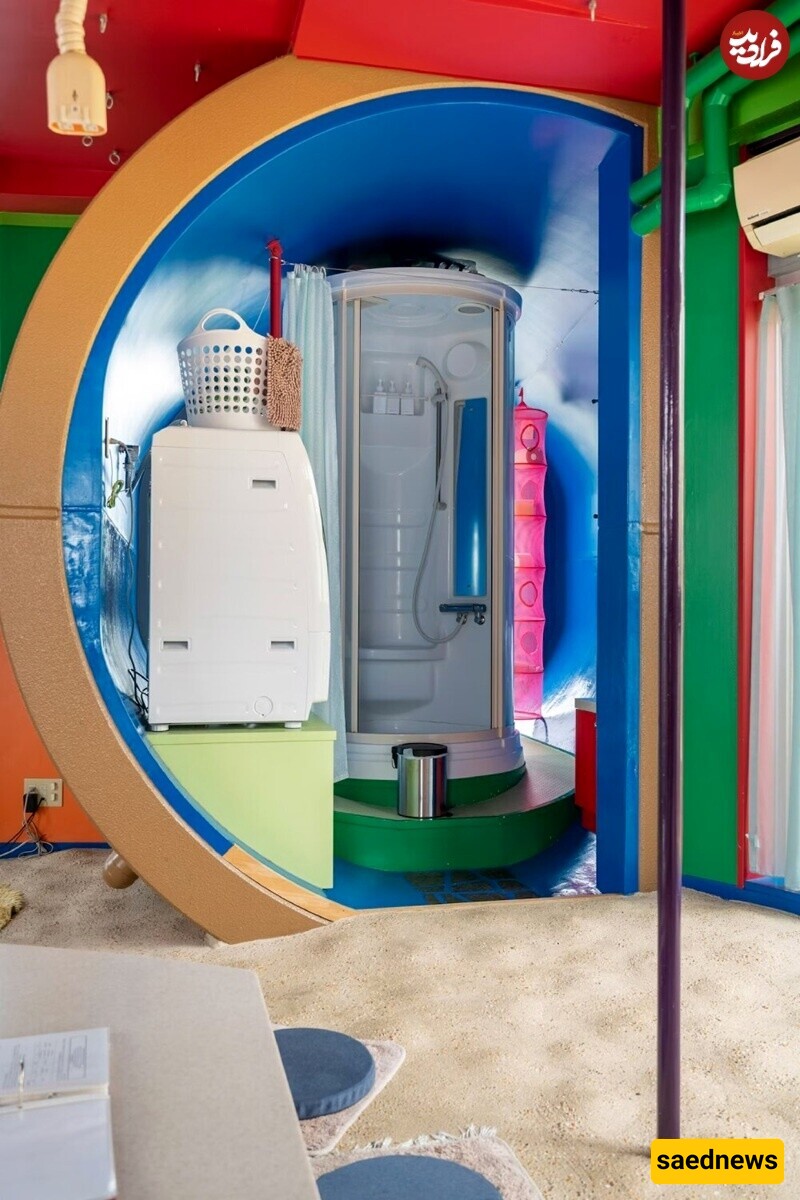
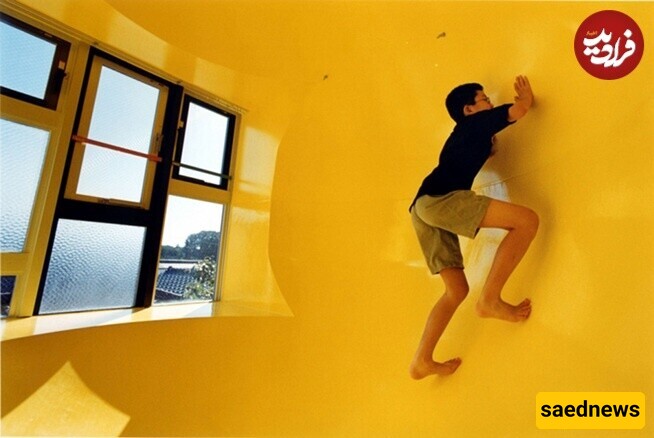
For Arakawa and Gins, this transformative potential in life was embodied in Helen Keller, for whom this project was built. They saw Helen Keller as a symbol of overcoming hardships.

















![[VIDEO] Abdoogh Khiar - Persian Cold Yogurt Soup with Cucumbers, Herbs, Walnuts & Raisins](https://en.saednews.com/storage/files/post/ed15eb40-835f-4846-be05-4ef612f8c056-5d9vLs9cbEylTLpr/1x1-5091895.jpg)