SAEDNEWS: History shows that Naser al-Din Shah Qajar had a serious sweet tooth for Zulbia and Bamieh!
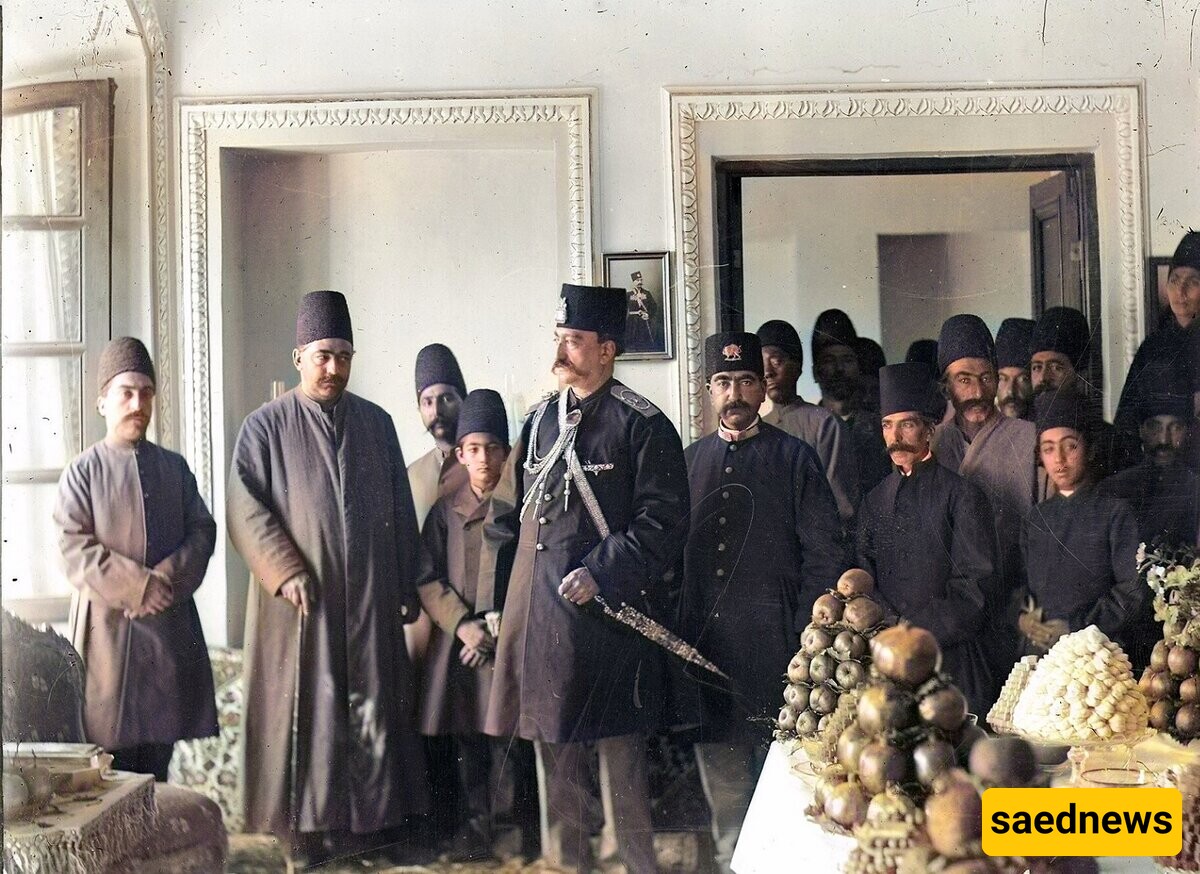
According to SAEDNEWS: quoting Hamshahri Online, many stories have been told about the origin of this delicious treat. Some believe it was invented by the Indians. Others think that because some cities lacked access to sweet ingredients like raisins and dates, Zulbia and Bamieh were invented as substitutes.
However, eating Zulbia and Bamieh became popular among the people during the Qajar era and the time of Iran’s gourmand kings. For example, it is said that Mozaffar ad-Din Shah, when certain seasonal foods were unavailable, would complain and sarcastically ask for these out-of-reach treats. Before Nowruz, he would ask for polo (rice dish) saying, “Let Nowruz come so we can eat polo,” or when it wasn’t the season for Zulbia and Bamieh, he would say, “When will Ramadan come so we can eat Zulbia and Bamieh?”
For Naser al-Din Shah, a gourmand who was always seeking new foods and flavors, Zulbia and Bamieh were considered valuable gifts. Anyone who wanted to gain favor with the king and somehow “oil his mustache” would offer them as presents. It’s worth noting that Bamieh was one of the sweets prepared and sold throughout the year by street vendors.
The late Najaf Daryabandari wrote in his book “The Delightful Cooking, From Garlic to Onion” that the shape of Zulbia has changed in recent years.
Today in Tehran, Zulbia is often a honey-burnt, thin, and fragile lattice about the size of a small dish, whereas in the past it was called Tabrizi or Plate Zulbia. Until one or two decades ago, Zulbia was about the size of a saucer, light yellow in color, and several pieces were made in honey-burnt and clay-like colors with sticks as thick as pencils and somewhat soft. This type of Zulbia is still prepared in some cities like Mashhad and Isfahan.