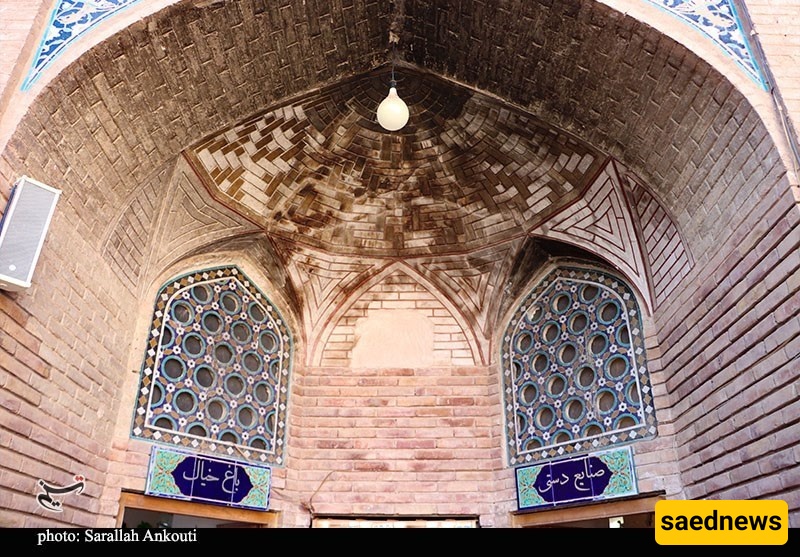
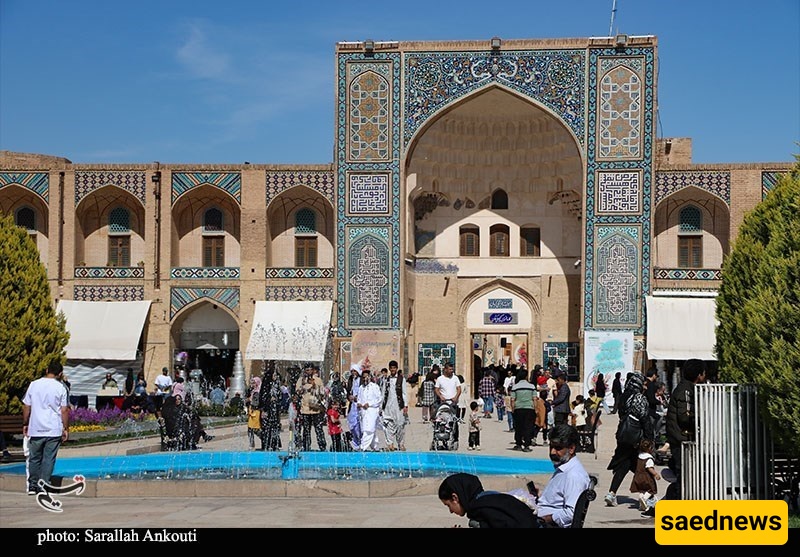
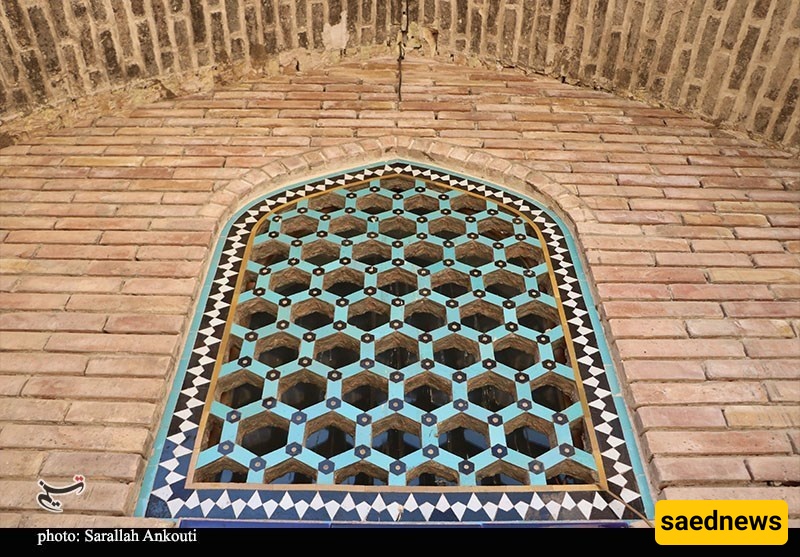
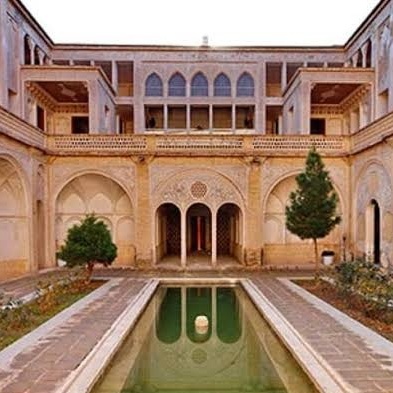
SAEDNEWS: The Ganjali Khan Complex is located downtown in Iran’s southern city of Kerman beside the Kerman Grand Bazaar.
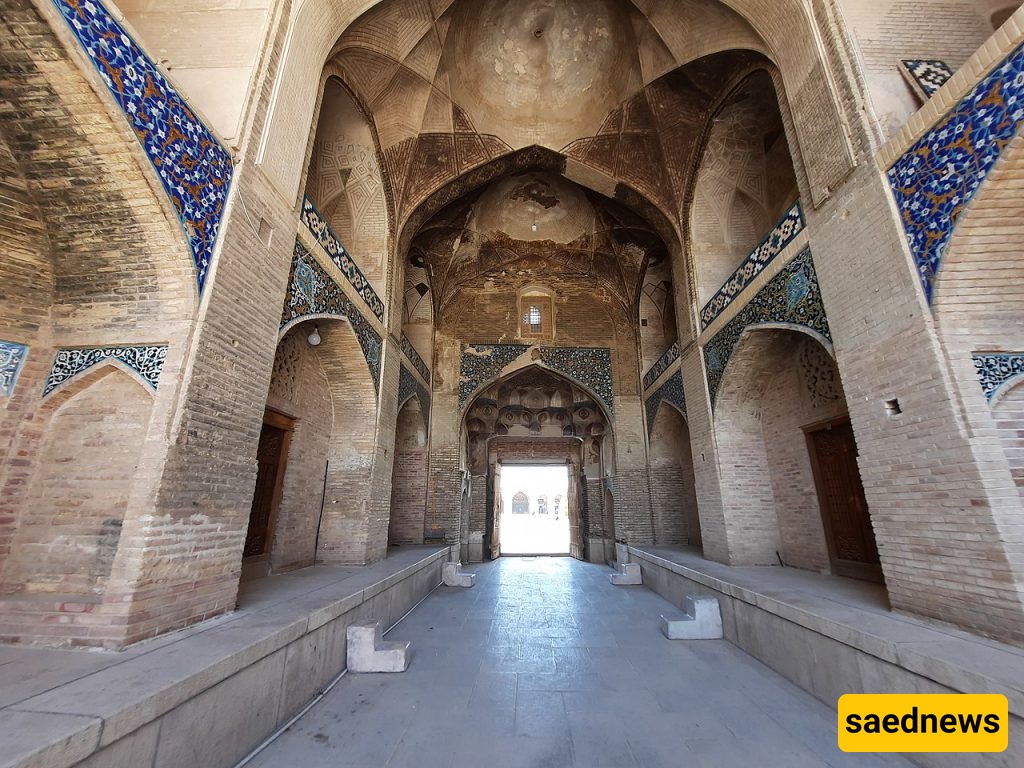
According to Saednews, Ganjali Khan was one of the well-known governors during the reign of Shah Abbas I. He ruled Kerman from 1005 to 1034 AH and contributed significantly to the development and prosperity of the region by constructing numerous public buildings and monuments.
Several structures from his era still remain today, including the Ganjali Khan Complex in Kerman, the Zeinodin Caravanserai (also known as Ganjali Khan Caravanserai) on the Yazd–Kerman road, Khan Pool on the Kerman–Mashhad road, and several aqueducts within Kerman city.
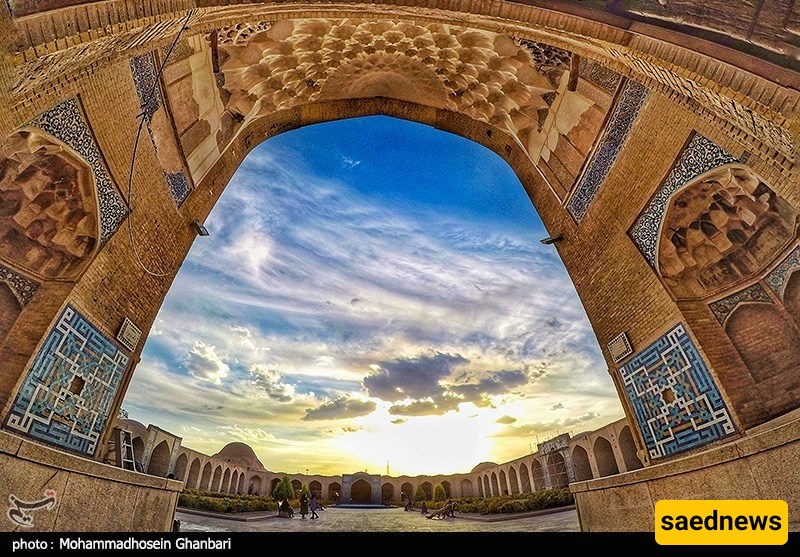
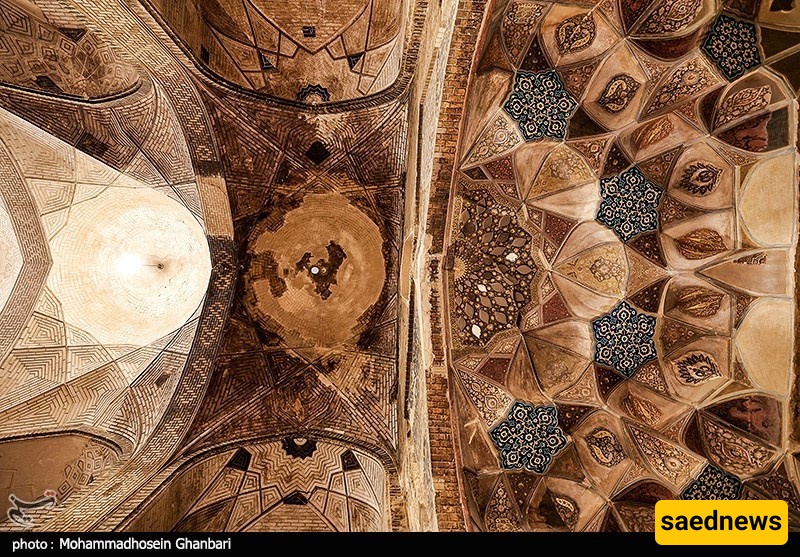
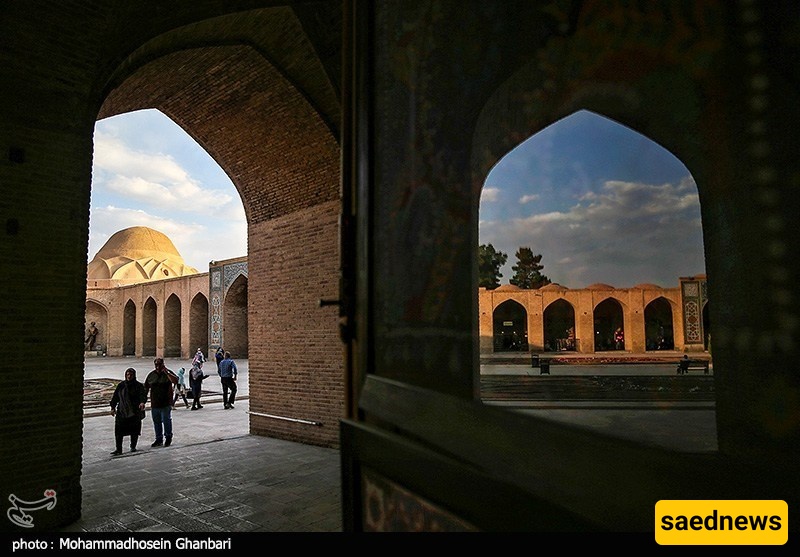
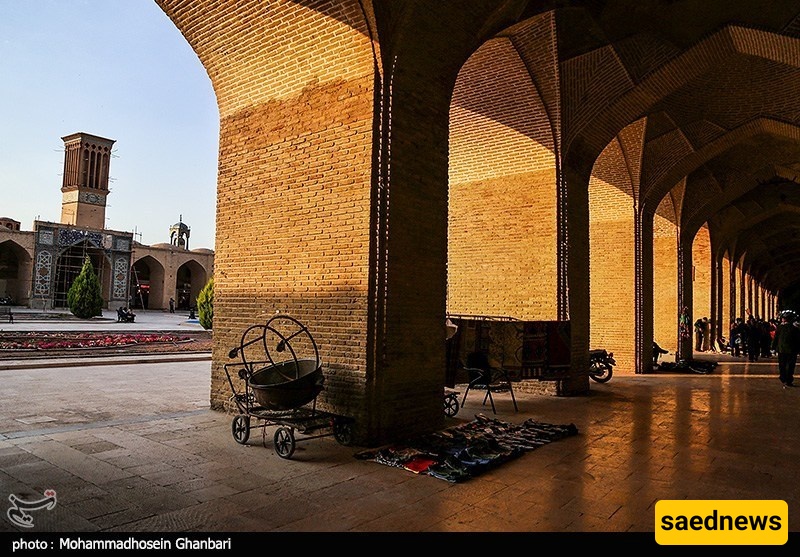
However, many of these historical works suffered severe damage during the attacks of Agha Mohammad Khan.
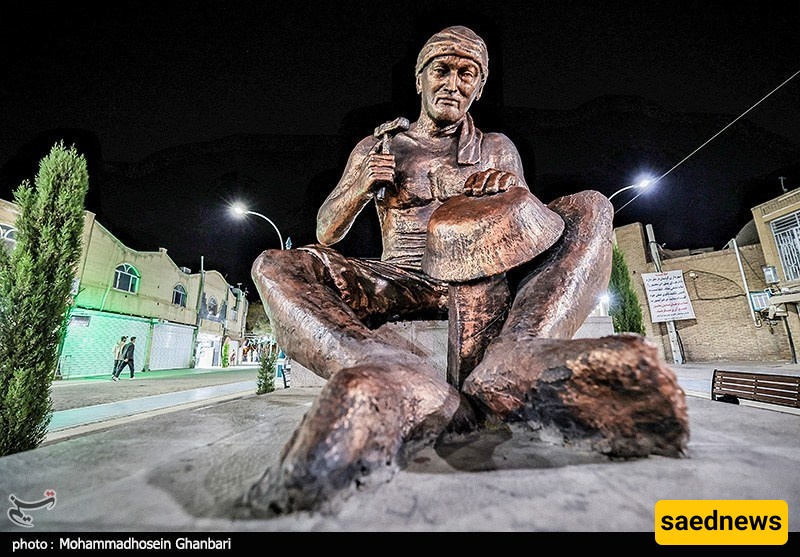
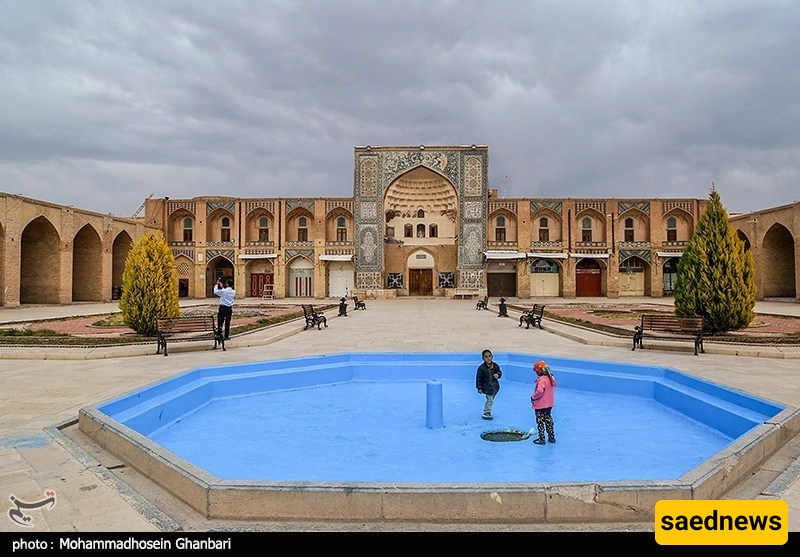
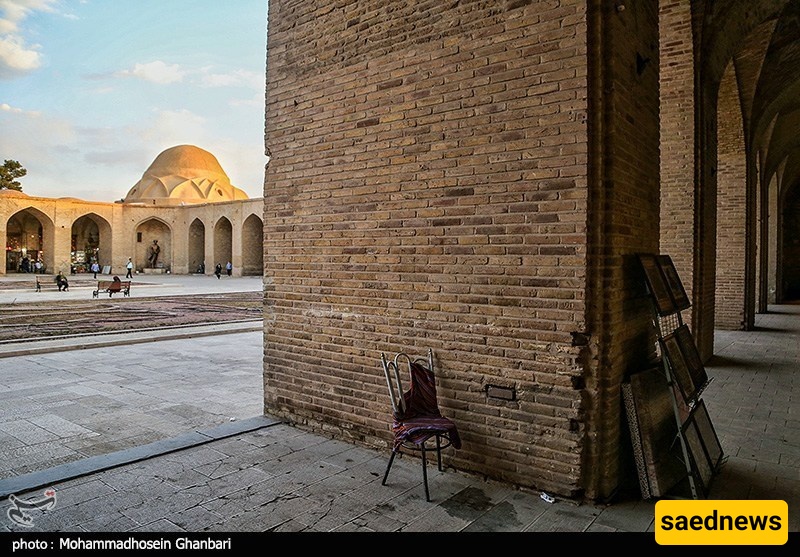
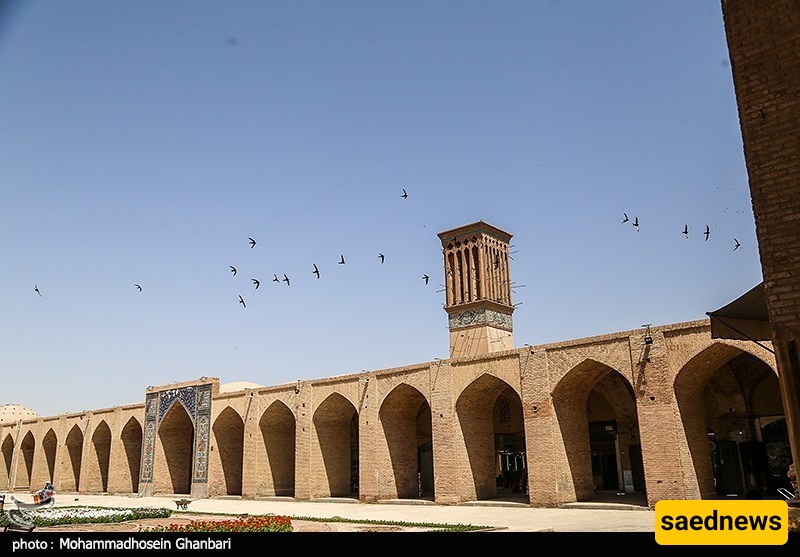
The Ganjali Khan Complex covers an area of approximately 11,000 square meters. It consists of a central square surrounded by a bazaar, bathhouse, school, mosque, caravanserai (inn), mint, and reservoir (cistern). The bazaar stretches along three sides of the square, with the copper market forming its main commercial axis.
The architect of the complex was Master Sultan Mohammad Yazdi, and its patron was Ganjali Khan, the governor of Kerman during 1005–1029 AH. The square originally had four mosques on each side, three of which remain today. The most notable is located on the eastern side of the caravanserai and is now used as a museum of decorative arts.
The Ganjali Khan Complex was registered as a national heritage site of Iran on 26 Ordibehesht 1347 (May 16, 1968), under registration number 829.