SAEDNEWS: Sleeping with open eyes is a common issue among children and does not cause any problems. If this condition does not create any difficulties for the child, there is no need to let it worry you. We hope you now have a better understanding of why children sleep with their eyes open.
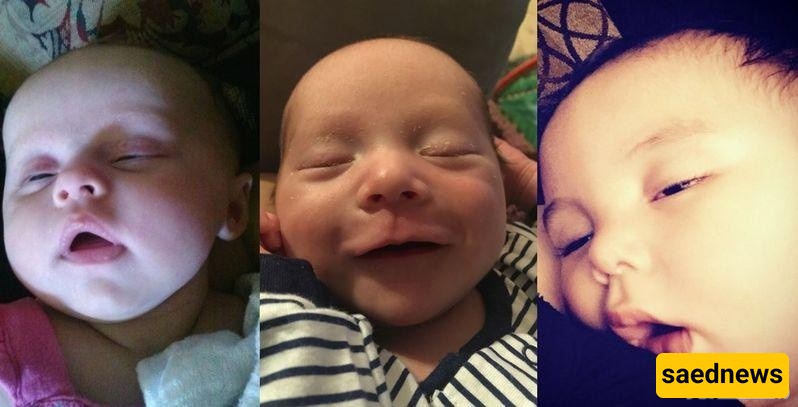
According to Saednews, Some infants sleep with their eyes partially or even completely open, during naps, nighttime sleep, or both. This can be surprising for parents and may raise concerns. However, in most cases, it is a normal and harmless behavior. Below is an explanation of why this happens and whether it is safe for babies.
Sleeping with open eyes is more common in infants than many people realize. It may look unusual, but the eyes are usually only slightly open rather than fully open.
Research suggests that sleeping with partially open eyes may be inherited. If one or both parents have a tendency to sleep with their eyes slightly open, their child may develop the same pattern.
In rare situations, sleeping with open eyes may be linked to medical issues such as facial nerve problems, certain types of tumors, or thyroid disorders. If a child consistently sleeps with their eyes open for long periods, it is advisable to consult a pediatrician to rule out any underlying condition.
In most cases, this condition is completely normal and not harmful. Doctors confirm that sleeping with open eyes can occur during the Rapid Eye Movement (REM) stage of sleep, which is a very active phase of the sleep cycle.
Babies spend a much larger portion of their sleep in REM compared to adults—up to about 50% of their total sleep time. During this phase, partial eye opening may naturally occur without any health risk.
If this sleeping pattern worries parents or causes discomfort, a few simple steps may help:
Gently close the baby’s eyelids only after ensuring the child is fully asleep.
Avoid disturbing the child during deep sleep stages.
If the behavior continues beyond 18 months of age, consult a pediatric specialist for advice.
Remember that in most cases, this is a normal developmental behavior and not a cause for concern.
Sleeping with eyes open in infants is generally a harmless and temporary condition. Most children outgrow it between 12 and 18 months of age. Even if it looks unusual, babies can still sleep normally and peacefully. If there are no other symptoms, parents are usually advised not to worry. However, if concerns persist, medical advice can provide reassurance.